- English
- French
- German
- Portuguese
- Spanish
- Russian
- Japanese
- Korean
- Arabic
- Greek
- German
- Turkish
- Italian
- Danish
- Romanian
- Indonesian
- Czech
- Afrikaans
- Swedish
- Polish
- Basque
- Catalan
- Esperanto
- Hindi
- Lao
- Albanian
- Amharic
- Armenian
- Azerbaijani
- Belarusian
- Bengali
- Bosnian
- Bulgarian
- Cebuano
- Chichewa
- Corsican
- Croatian
- Dutch
- Estonian
- Filipino
- Finnish
- Frisian
- Galician
- Georgian
- Gujarati
- Haitian
- Hausa
- Hawaiian
- Hebrew
- Hmong
- Hungarian
- Icelandic
- Igbo
- Javanese
- Kannada
- Kazakh
- Khmer
- Kurdish
- Kyrgyz
- Latin
- Latvian
- Lithuanian
- Luxembou..
- Macedonian
- Malagasy
- Malay
- Malayalam
- Maltese
- Maori
- Marathi
- Mongolian
- Burmese
- Nepali
- Norwegian
- Pashto
- Persian
- Punjabi
- Serbian
- Sesotho
- Sinhala
- Slovak
- Slovenian
- Somali
- Samoan
- Scots Gaelic
- Shona
- Sindhi
- Sundanese
- Swahili
- Tajik
- Tamil
- Telugu
- Thai
- Ukrainian
- Urdu
- Uzbek
- Vietnamese
- Welsh
- Xhosa
- Yiddish
- Yoruba
- Zulu
How Strong Is a Military Aircraft Steel Hangar?
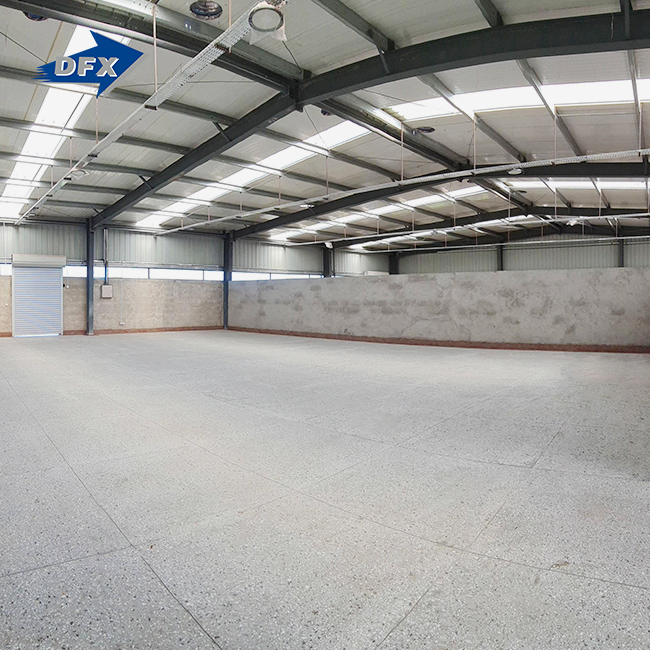
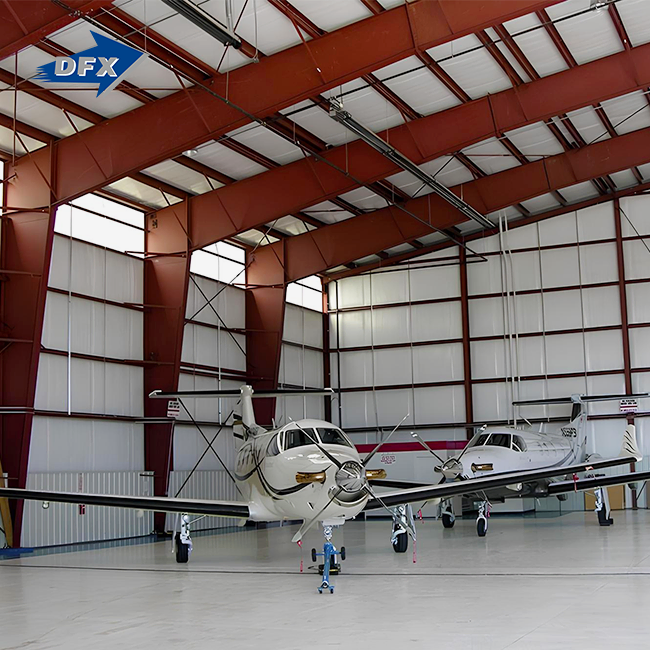
When protecting multi-million-dollar military aviation assets, strength isn't negotiable. A Military Aircraft Steel Hangar delivers exceptional structural resilience through engineered high-grade steel frames, reinforced bracing systems, and optimised load distribution. These hangars withstand extreme wind loads exceeding 180 km/h, seismic events in Zone 4 regions, and harsh environmental conditions ranging from Arctic cold to desert heat. Built to Unified Facilities Criteria standards, they provide clear spans of 30 to 100+ metres without interior columns, ensuring unobstructed aircraft movement while maintaining structural integrity for decades under demanding operational stresses.

Understanding the Strength of Military Aircraft Steel Hangars
Structural Design Elements That Define Strength
The engineering of an aeroplane hangar is what makes it strong. Military aircraft steel hangars are made of high-tensile structural steel, which has a yield strength of more than 345 MPa. This steel is usually ASTM A572 Grade 50 or EN S355JR. It is safe because the frame is made of these materials, which can handle and spread out huge loads from wind, snow, and earthquakes. The main structure is made of welded H-section steel, which makes it rigid and not easily deformed, even when loads are spread out unevenly, which often happens during storms.
Another layer of support is added by reinforced bracing systems. Lateral supports and diagonal braces work together to stop lateral sway and torsional twists, which are very dangerous for buildings 60 metres or longer. Finite element analysis software is used to carefully figure out how the load is distributed. This makes sure that every joint, beam, and connection point works within safe stress limits. This level of engineering precision turns raw steel into a strong shell that can protect fighter jets, passenger planes, and robotic aerial vehicles.
Durability Under Extreme Conditions
Military activities don't stop because of bad weather. At military air stations on the coast, hangars for planes have to deal with salt spray; at forward operating bases in the desert, with sandstorms; and at sites in the north, with freeze-thaw cycles. Advanced coating methods are used during manufacturing to protect against these threats. A zinc layer of at least 600 g/m² is created by hot-dip galvanising, and epoxy zinc-rich primers and polyurethane topcoats protect against rust from jet fuel, hydraulic fluids, and the environment.
It's also important to look at how well it handles heat and sound. Sandwich panelling with rock wool or polyurethane bases (R-value greater than 20) keeps the inside of an aircraft stable, which protects sensitive electronics while repair work is being done. This insulation saves money on energy costs and quiets down the loud noises made during engine run-up tests. When paired with regular care, these traits make the operating lifetime over 50 years in environments that are corrosive.
Load-Bearing Capacity and Safety Standards
One thing that makes military aircraft steel hangars stand out is that they can hold heavy extra equipment. Overhead bridge cranes that can hold between 10 and 25 tonnes are often built in for engine swaps and body fixes. The roof structure has to hold these heavy loads while keeping the stress levels even across the whole frame. This balance is reached by portal frame configurations and truss designs, which let repair teams work quickly and without being limited by space.
Standards like UFC 4-211-01 and NFPA 409 make sure that these structures meet very high safety standards. During the design phase, fire suppression systems like high-expansion foam generators and deluge piping are taken into account when figuring out the dead load. Using ultrasonic and magnetic particle inspection to test welds without damaging them makes sure that every link meets the AWS D1.1 structural welding rules. This multi-level quality assurance process gets rid of any weak spots that could let down the hangar's defences during important operations.
Comparing Steel Hangars With Alternative Military Hangar Materials
Steel vs. Concrete Structures
Because they last a long time and are very resistant to blasts, concrete hangars are good for high-security sites. There are, however, major problems with them. Due to hardening times and labour-intensive formwork, construction takes months longer than with steel options. Costs per square metre often double, which puts pressure on project funds. Also, concrete isn't flexible enough to allow for future growth—adding bays or changing patterns becomes too expensive and time-consuming.
Steel structures get around these problems with quick schedules for fabrication and assembly. When prefabricated parts are brought to the site, they are already put together, which cuts down on building time by up to 40%. Because portal frame designs are modular, AISC certified large-span steel structure hangar solutions can have end walls changed into non-load-bearing parts, which makes lengthwise expansion easier as fleet sizes increase. This ability to change gives buying managers strategic freedom that concrete can't match.
Aluminium and Fabric Alternatives
Aluminium hangars are good for projects that need to be built quickly and easily without rusting. The material naturally forms a protective oxide layer, which lowers the number of times it needs to be maintained in marine settings. However, aluminium's lower tensile strength makes it harder to build clear-span structures. To get 100-metre widths, for example, complicated truss geometries are needed, which raise costs and make operations more difficult. The material also doesn't work well in blast situations because its flexibility can cause it to bend badly instead of absorbing energy in a controlled way.
Fabric hangars, which are often sold for quick setup, are only good for certain tasks. They are easy to set up at forward operating bases because they are made of flexible or tensioned membranes. But concerns about durability come up within months. UV damage weakens the fabric's structure, and holes caused by dirt or bad weather make upkeep more difficult. Long-term asset safety requires structures that are stronger than these buildings, so they are only temporary fixes and not long-term infrastructure.
Insulation and Energy Efficiency Considerations
The amount of energy used in buildings that maintain aeroplanes has a big effect on operational budgets. When it comes to keeping heat inside, steel hangars with insulated sandwich panels work better than other options. When you combine the strength of steel with modern insulation materials, you get climate-controlled spaces that use up to 30% less energy for heating and cooling than metal buildings that aren't insulated. This efficiency is very important when fixing high-tech avionics systems or maintaining equipment that needs to be kept in a certain temperature range.
Even though concrete buildings are very thermally dense, they need large HVAC systems to make up for their slow thermal response. Because aluminium conducts heat very well, insulation layers have to be thicker, which raises the cost of materials and makes it harder to attach panels. Because steel is easy to shape, builders can add energy-saving features like reflective roofing coatings and carefully placed ventilation systems without weakening the structure. These benefits lead to lower lifetime costs and better sustainable measures, which are in line with the goals of modern defence infrastructure.
Design and Construction Insights for Military Aircraft Steel Hangars
Customisation for Aircraft Types and Mission Requirements
Each military aeroplane has its own special problems with space and dimensions. Hangars for fighter jets like the F-35 need to be 20 metres high so that tail assemblies and repair platforms can fit. On the other hand, hangars for C-130 Hercules carriers need to be 30 metres wide so that the tips of the wings can be seen. Engineers need customised design services because they have to figure out exact sizes while taking into account things like door swing radii, runway lines, and emergency escape routes. This customisation makes sure that operations run smoothly, so planes can come in and go out quickly without damaging each other.
During the structural calculation phase, mission-specific loads are looked at. Using C5-M marine-grade specifications, military aircraft steel hangars that house maritime patrol aircraft in coastal areas have better corrosion protection. Installations in the desert are made to handle wind forces and big changes in temperature. Bases in the north take into account snow loads that are greater than 4 kN/m². These modifications made for specific sites show how steel can be used in a wide range of operational areas while still meeting strength standards.
Modular vs. Permanent Construction Approaches
Modular designs change how long it takes to deploy weapons because military needs change so quickly. Bolted link methods make it possible to take hangars apart and move them, turning them into mobile infrastructure. Components are already designed to meet ISO standards, which means they will work with systems in various places. A movable hangar can be put together in a few weeks at a forward operating base, used for years, and then taken apart and moved to a different area, which maximises the return on investment.
Longevity and compatibility with current base systems are the most important things for permanent installations. Welded links make buildings that are one piece and can hold up bigger crane loads and more complicated HVAC systems. Often, these hangars have blast-relief panels and stronger foundations that are made to fit the soil conditions found by geotechnical surveys. Depending on how long you need to plan ahead, you can choose between permanent and modular methods. Many procurement professionals choose hybrid solutions that include both fixed core facilities and flexible expansion bays.
Installation Processes and Timeline Expectations
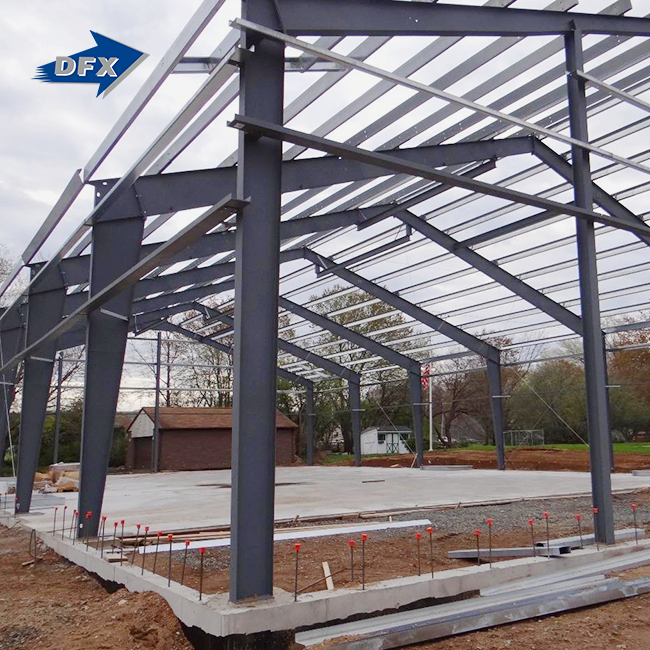
The most time-sensitive part of erection is the foundation work that comes first. Deep piles or reinforced concrete footings keep the ground from shifting, which could cause structural parts to become out of alignment. Soil-bearing capacity tests tell us how big the footings need to be, and 15-metre-deep piles are often needed because of the high column reactions from wide spans in an ASC certified large-span steel structure hangar. This preparation work usually takes three to six weeks, but it depends on the site conditions and weather windows.
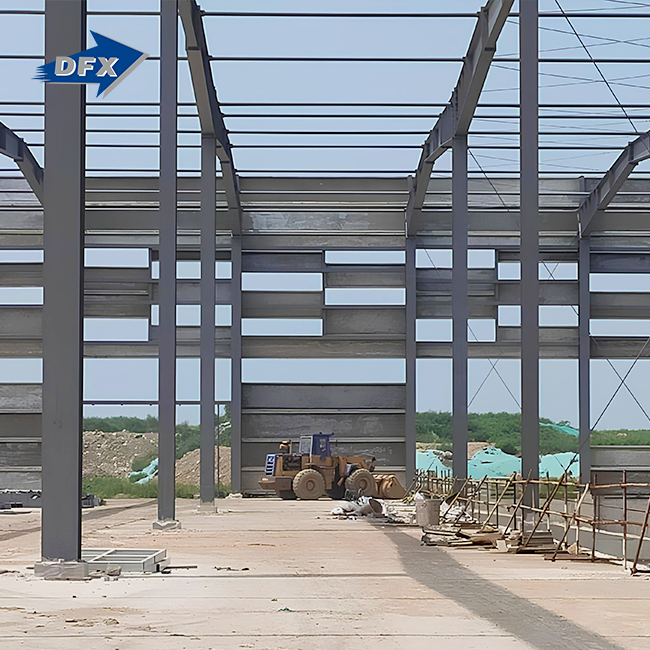
Putting together a steel frame follows a set of steps. Mobile cranes are used to move and set up the primary portal frames. These frames are then briefly braced while the secondary purlins and girts are put in place. Roofing and wall panels are put together at the same time, which speeds up the weather enclosure process. Assuming that prefabricated parts arrive on time, a normal 60x80-metre hangar is mostly finished 8 to 12 weeks after the base is laid. Laser alignment tools make sure that bolt holes match within 2 mm limits, which keeps expensive changes from having to be made in the field. Installation instructions from experienced makers also cut down on mistakes.

Procurement Considerations When Buying Military Aircraft Steel Hangars
Evaluating Manufacturer Credentials and Certifications
To choose the right steel frame provider, you need to look at more than just their business registration. Getting ISO 9001 certification means that quality management is being done in a planned way, but military projects need more thorough checks. Manufacturers should show that they have worked on government projects before, especially ones that had to follow UFC or NFPA rules. Look at their past work to see if they've built any other hangars like this one. Fabricators who have built 100-metre clear-span buildings before know how to solve difficult engineering problems.
Certifications like the CE mark show that the product meets European safety and environmental standards. For international shipping, COC and PVOC paperwork show that the product meets the standards for that country. These credentials make it easier to get goods through customs and reassure procurement teams that the products they're buying are real. If you ask for mill test results for steel batches, you can see exactly what the material's qualities are. The chemical make-up, yield strength, and tensile strength should all match the requirements. Site trips to factories show what they can make. Look for automatic welding lines and testing equipment that is kept in-house as signs of a commitment to accuracy.
Cost Drivers and Budget Optimisation Strategies
Hangar prices are based on three main factors: the materials used, the difficulty of the design, and the size of the building. Forty to fifty per cent of the total cost goes to high-grade steel, whose price changes based on global commodity markets. When projects need blast-resistant features, integrated crane systems, or special coatings for harsh environments, the cost of the design gets higher. Installation costs vary by region. Projects in remote areas have higher supply and labour costs because it's harder to get skilled workers there.
To find a balance between these factors, you must first clearly define what you need. Costs go up for no reason when features are overspecified; a hangar in a warm climate doesn't need arctic-grade protection. When compared to fully customised solutions, standardised designs save engineering hours, but they give up some customisation. To find ways to save money, procurement managers should ask for detailed quotes that break down costs for supplies, assembly, shipping, and installation. Leasing agreements are an option to capital purchases because they spread costs over 10 to 15 years, leaving more money in the budget for other building needs.
Aligning Specifications With Operational Needs
Specifications, not random guidelines, should be based on mission-critical needs. A maintenance building with sensitive radar equipment needs to be protected from electromagnetic fields and have climate control. On the other hand, a simple storage shelter only needs to be protected from the weather at the lowest possible cost. By doing a needs assessment with operational stakeholders like repair officers, base engineers, and transportation managers, the hangar design will be sure to support processes instead of getting in the way of them.
Take future scalability into account during the specification phase. By building foundations that can support more bays, you can avoid expensive upgrades when your fleet grows. Electrical and plumbing rough-ins for planned upgrades, like wash bays or mezzanines for parts storage, cost a little more up front but save a lot in the long run. With this forward-thinking method, hangars are turned from fixed structures into flexible assets that can change based on task needs, which increases their long-term value.
Conclusion
Military aircraft steel hangars are the best combination of strength, adaptability, and long-term value. Their engineered resilience, which comes from using high-quality materials, putting them through rigorous testing, and making sure they meet strict standards, protects valuable aviation assets in a wide range of operational environments. When looking at different types of materials, buying methods, and how the infrastructure will be able to change in the future, steel stands out as the best choice for defence infrastructure. As a result, procurement experts can safely choose hangars that will provide years of reliable service while adapting to changing mission needs.
FAQ
1. What is the expected lifespan of a steel aircraft hangar in harsh climates?
If you use marine-grade coatings and hot-dip galvanising on properly designed military aircraft steel hangars, they can last longer than 50 years, even in harsh industrial or seaside settings. Regular maintenance, such as coating inspections every 5 to 7 years and timely touch-ups, stops damage from getting worse faster and keeps the structure strong for as long as it was designed to last.
2. Can steel hangars be customised for specific aircraft dimensions?
Steel structure is great because it can be changed to fit your needs. Manufacturers do structural calculations and design changes that are specific to the size, shape, and clearance needs of each aircraft. This makes it possible for everything from small UAVs to wide-body cargo planes to fit without putting structural safety at risk.
3. How do steel hangars perform during seismic events?
Because steel is flexible and can absorb energy, it is perfect for areas that are prone to earthquakes. Portal frames bend when they are loaded on the sides, releasing the energy of an earthquake without breaking completely. Designs that meet the earthquake requirements for Zone 4 use base isolators and braced links that keep things stable when the ground moves faster than 0.4g.
Partner With a Trusted Military Aircraft Steel Hangar Manufacturer
With more than 12 years of experience building large steel structures, DFX is ready to help you with your aviation infrastructure projects. Our 40,000-square-metre factory has six automatic welded H-beam lines and high-tech quality control systems that make sure every Military Aircraft Steel Hangar meets the requirements for ISO 9001 and CE certification. We offer a full range of services, from initial structural calculations and custom design to precise fabrication and on-site installation guidance, all of which are tailored to your specific needs and budget.
Our engineering team works closely with purchasing managers to make sure that strength requirements, supply times, and cost-effectiveness are all met. We offer military aircraft steel hangar systems that are built to last for decades, whether you need a permanent repair centre or a modular rapid-deployment option. Get in touch with our experts at jason@bigdirector.com to talk about your project needs and get a full price from a reputable steel structure source.
References
1. Unified Facilities Criteria (UFC 4-211-01): Standards for Aircraft Maintenance Hangars, Department of Defence, 2019.
2. American Welding Society (AWS D1.1): Structural Welding Code for Steel, 2020 Edition.
3. National Fire Protection Association (NFPA 409): Standard on Aircraft Hangars, 2021 Edition.
4. ASTM International: ASTM A572/A572M Standard Specification for High-Strength Low-Alloy Structural Steel, 2018.
5. International Organisation for Standardisation: ISO 12944 Corrosion Protection of Steel Structures by Protective Paint Systems, 2017.
6. Steel Construction Institute: Design Guide for Large-Span Portal Frame Buildings, Third Edition, 2020.
Learn about our latest products and discounts through SMS or email