- English
- French
- German
- Portuguese
- Spanish
- Russian
- Japanese
- Korean
- Arabic
- Greek
- German
- Turkish
- Italian
- Danish
- Romanian
- Indonesian
- Czech
- Afrikaans
- Swedish
- Polish
- Basque
- Catalan
- Esperanto
- Hindi
- Lao
- Albanian
- Amharic
- Armenian
- Azerbaijani
- Belarusian
- Bengali
- Bosnian
- Bulgarian
- Cebuano
- Chichewa
- Corsican
- Croatian
- Dutch
- Estonian
- Filipino
- Finnish
- Frisian
- Galician
- Georgian
- Gujarati
- Haitian
- Hausa
- Hawaiian
- Hebrew
- Hmong
- Hungarian
- Icelandic
- Igbo
- Javanese
- Kannada
- Kazakh
- Khmer
- Kurdish
- Kyrgyz
- Latin
- Latvian
- Lithuanian
- Luxembou..
- Macedonian
- Malagasy
- Malay
- Malayalam
- Maltese
- Maori
- Marathi
- Mongolian
- Burmese
- Nepali
- Norwegian
- Pashto
- Persian
- Punjabi
- Serbian
- Sesotho
- Sinhala
- Slovak
- Slovenian
- Somali
- Samoan
- Scots Gaelic
- Shona
- Sindhi
- Sundanese
- Swahili
- Tajik
- Tamil
- Telugu
- Thai
- Ukrainian
- Urdu
- Uzbek
- Vietnamese
- Welsh
- Xhosa
- Yiddish
- Yoruba
- Zulu
How Insulated Steel Hangars Protect Private Jets From Weather
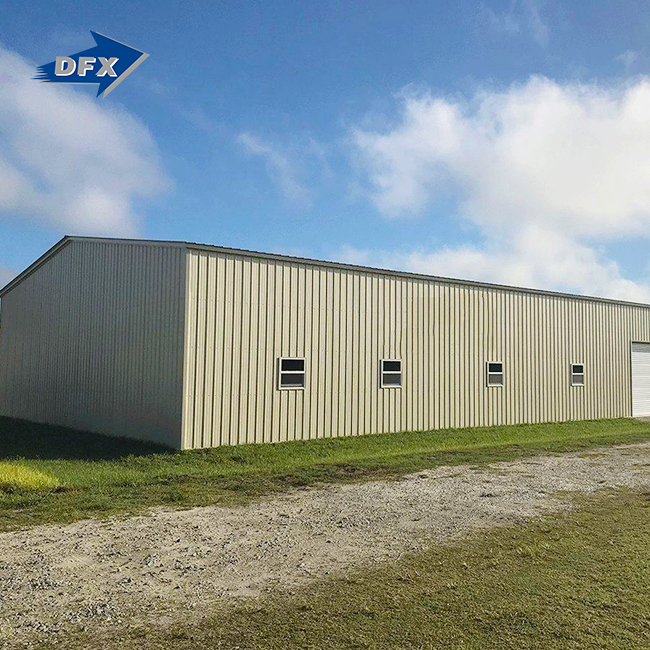
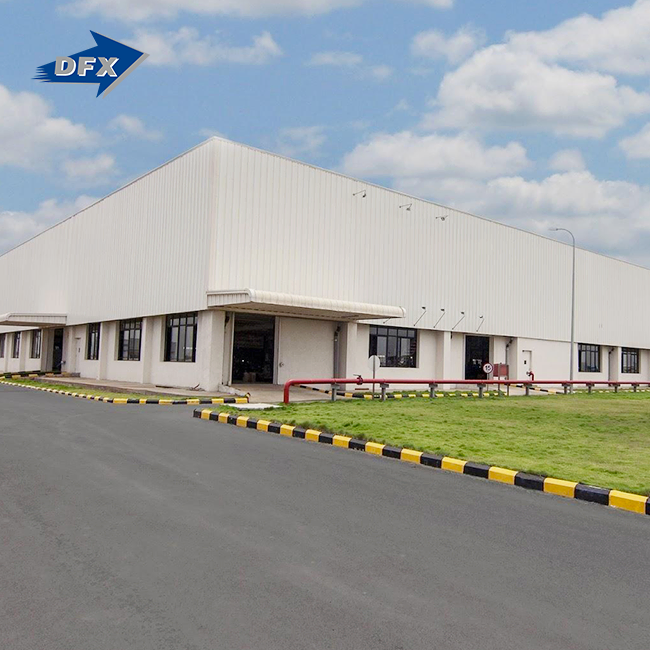
Insulated steel hangars store private planes and keep them protected from the elements. The steel frame is sturdy, and the insulated, sealed membrane keeps the rain out. A private jet steel hangar protects against rain, snow, hail, wind, dust, and sunshine. The insulation keeps temperature changes down and helps to manage condensation within the building. The frame is built to take local wind and snow loads, with well-designed doors, drainage, and coated cladding to keep the shelter weather-tight. I prepared this guide to explain how each item works, what customers should specify, and how to compare vendors prior to asking for a quotation.

Why Weather Is Hard on Private Jets?
Outdoor Exposure Risks for Aircraft
It ain't only raining on parked aircraft. Over time, UV radiation fades paint and degrades rubber seals and window materials. Hail can damage composite body panels and dent a metal car skin. A plane sitting on the apron can get a bit of a workout from the wind on the control surfaces. It takes longer to reposition the plane on the ground before departure if it snows or freezes. Grit and dust get into the springs, landing gear, and sensor ports. Each occurrence might lead to checks, fixes, or the cancellation of a flight. And if you own or run a fleet, the cost is the time you lose and the money it costs to solve the problem. If you keep things under cover, most of these risks don’t occur.
Moisture, Condensation, and Corrosion
Water is the main problem. Warm, wet air meets cold things, and water develops on them. This can happen if the top of a metal building is not insulated, and the drops can fall on an aeroplane below. FAA Advisory Circular 43-4B addresses corrosion. Corrosion needs water to begin. Water is one of the things... Water that gets trapped can potentially break electronic wires and connectors. So I see the weather as part of the planning, not something extra to the planning. Vapour must be regulated, surfaces kept above the dew point, and air allowed to flow through the hangar to keep it dry.
Why Steel Is a Practical Hangar Material
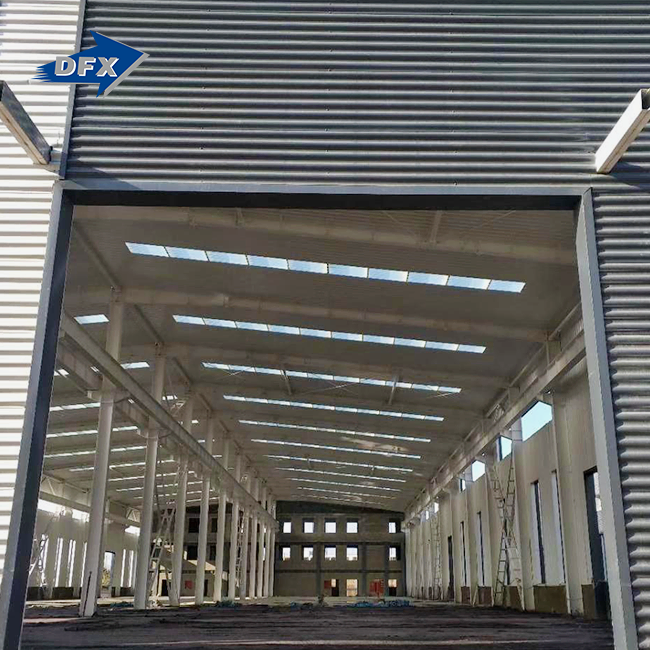
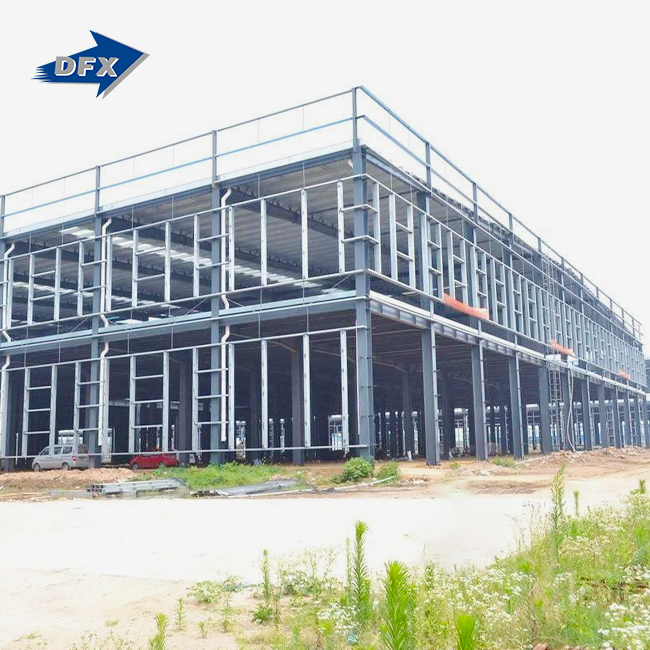
A private jet steel hangar needs a lot of room to store its parts, so steel is a good choice. Welded H-section frames don't need inner poles because they can span long distances. This makes it easy for crews to pull an airplane in and out. A factory makes things, which keeps the quality high and cuts down on the work that needs to be done on-site. Some other things that steel can be used for are lights, sprinkler pipes, insulation, big door openings, and later additions. The creator can pick the clear height around the tail and the door header size right from the start. Steel is useful for many things, including building hangars for airplanes, places to store heavy machinery, and large public buildings. Let's look at what the envelope does when it's done.
How Insulated Steel Hangars Protect Private Jets From Weather
Thermal Control With Roof and Wall Insulation
Insulation keeps the hangar from getting too hot or too cold. Insulation makes it take longer for heat to move through the walls and roof. As the temperature difference between inside and outside decreases, condensation forms less. This is good for electronics, batteries, seals, and car interiors. People often pick fiberglass, mineral wool, stiff boards, and sandwich panels. What you should choose relies on the weather, how badly you need fire safety, how much moisture is going to be there, and your budget. DFX has two lines for making sandwich panels. Each line can make panels that cover about 50,000 square meters per year. The pieces can be made to fit the shape of the building this way. Ventilation must be set up, and joints must be sealed so that warm air does not hit cold surfaces. It's not enough to just put up insulation.
Weather-Resistant Cladding and Drainage
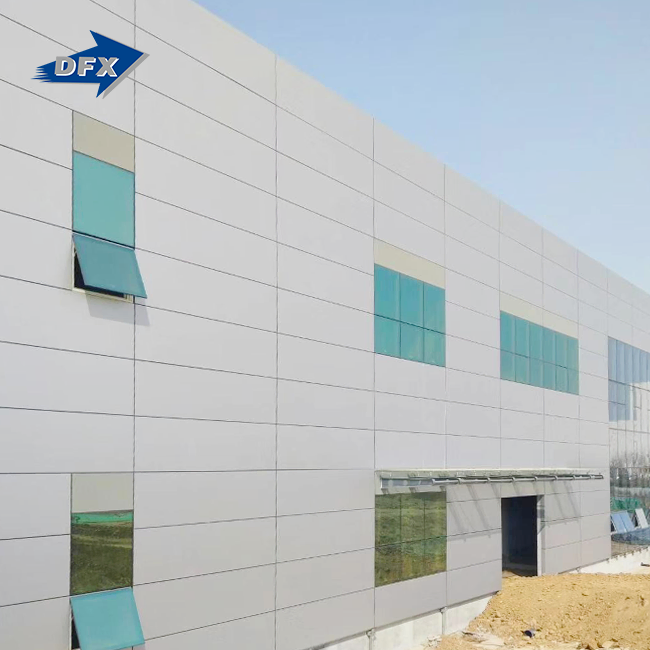
The skin is the first line of defense. Coated steel siding doesn't rust or react to UV light, and it keeps out rain and snow if the coating method is right for the job. Water doesn't get in from the wind when the corners, eaves, and doorheads are flashed. Water can be moved away from the foundation and apron with gutters and downspouts. There should be more coating on the spot if it is near the water or near the coast. When someone buys a house, they should ask how each window, roof opening, and panel joint is sealed, since this is where leaks usually start. Insulation that stays dry does its job inside a shell that keeps out the weather.
Structural Frame, Bracing, and Door Loads
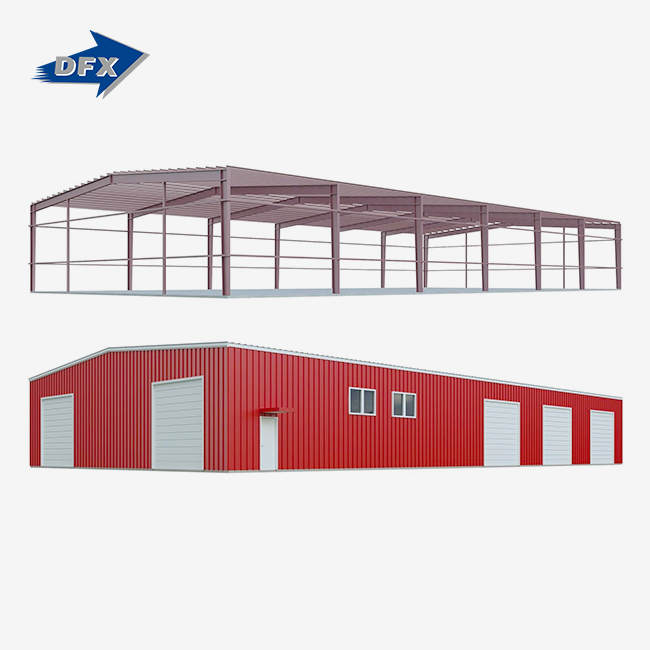
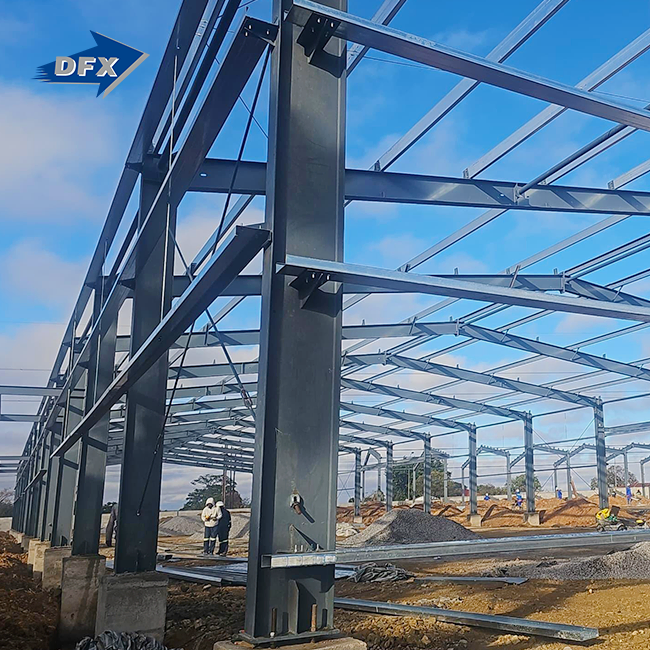
How well the building holds up in a storm is also important for safety. The main frame of a DFX hangar is made of welded H-section steel that has a stronger system of braces. Before designing, structural studies are done to see how much wind, snow, and, if necessary, earthquakes will weigh on the area. These loads are often known as ASCE 7 in the US. Watch the door end more closely. Large hydraulic or bi-fold doors put a lot of dead weight on the shaft. Strong winds can also hit doors that are open, so the header is built to handle both. Start with the plane instead of the building. When the envelope is put under pressure, a sound frame keeps it tight. This lets the insulation and cladding keep protecting the plane.
Private Jet Steel Hangar Requirements and Specifications Dimensions and Clearances
These are the wing width, overall length, tail height, wheelbase, and turning radius. These are the minimum clear opening, depth, and height. Allow enough room for the doors to open and close, as well as tugs, ground-support equipment, and walkways around the wings. There's more to clear height than just the tail. It has to have lights, sprinkler pipes, and door mechanisms as well. High-clearance long-span steel houses are sold by DFX. Based on the job, our open spans can be anywhere from 60 to 300 feet. You should say in the first brief if you want to add a bigger jet later. After the building is done, it costs a lot more to make a door wider or a roof higher.
Insulation, Ventilation, and Fire Safety
For a private jet steel hangar to work, the airflow has to be just right. It's easy to store things, but maintenance can involve fumes from fuel, smoke, solvents, and paint. This needs to be taken into account when the machinery is designed. Humidity control or HVAC can be added to places that are too hot, too cold, or too wet. Fire safety is not part of the planning process itself. For airplane hangars with extinguishing devices, NFPA 409 has rules. Strong enough to hold the weight of foam or sprinkler pipes, the roof must be built. Make sure you know early on which version of the code the local government will use. The weight of these systems is what our buildings are made to hold up.
Steel Grade, Coating, and Quality Documents
Write down what you want to know about the material and finish when you call. Most of the time, steel grade 50 or Q345B is used for the main frame. Before being hot-dip galvanized or painted with an epoxy zinc-rich system, things are shot-blasted until they reach the SA 2.5 level. Ask for test papers from the mill, records of the welds, checks of the dimensions, and readings of the finish thickness. Also, find out if ultrasounds or X-rays are used to check important joints. The company DFX has ISO9002, CE, COC, and PVOC certificates, and they use ISO quality control methods when they make things. You don't have to trust a sales claim when you have these papers. A project manager or head of engineering can check the work before it goes.
Cost, Delivery, and Supplier Selection for Your Hangar Project
Cost Drivers and Material Comparison
The cost of a private jet steel hangar is not determined by a price per square foot rate. How does the sum change? What kind of padding is used, what kind of doors are used, how the building is built, how it will be shipped, and how it will be installed. Most of the time, a steel frame needs lighter foundations and less time to be built than a concrete frame. Concrete, on the other hand, can be heavier and less likely to catch fire. You can store things in fabric hangars for a short time or for a low cost, but they don't offer as much security, padding, or storm protection. In most cases, insulated steel is put between them to keep them safe from the weather, give them long clear spans, and let them grow. For the same job, you should always get a detailed price from more than one source.
Delivery Timeline and Installation Support
As part of a normal job, you'll look over the needs and the site, plan, get permits, make the parts, lay the supports, ship them, put them up, and hand them over. Prefabricated steel parts cut down on the amount of work that needs to be done on-site, but the plan can still be changed by things like getting permission, the state of the soil, clearing customs, and the weather. The lead time is based on the size and style of the job because DFX only makes things when folks order them. I think you should ask for a program with clear goals. As part of our service, we figure out the structure, make custom designs, fabricate things, and help set them up. With our drawings and instructions, the frame can be put up by local contractors who have done it before. Make sure you know where the support bolts will go before you pour the sidewalk concrete.
Choosing a Manufacturer: What DFX Offers
Since 2011, DFX (Qingdao Director Steel Structure Co., Ltd.), which stands for "Director Steel Structure Co., Ltd.", has been building steel structures like airplane hangars. Every year, our six automatic welded H-beam lines can make around 20,000 tons of welded H-beams and columns. More than 200 workers and 40,000 square meters of safe working area keep these lines running. When planning and designing are done in-house, one group can be in charge of the idea, the engineering, the building, and the installation. When you compare service providers, make sure they can plan, keep track of materials, record inspections, and explain what the job is. There's more to these four checks than just a low price.
Conclusion
A private jet steel hangar keeps private jets safe by protecting them from the sun, rain, snow, hail, wind, dust, and changes in temperature that can damage electronics and cause corrosion. A steel frame made to handle heavy door systems and local loads, sealed cladding, drainage, and ventilation all work together to keep the building safe. The first things sound standards look at are the plane's dimensions, clearances, fire code, and listed materials and coatings. To keep out the weather, get more clear-span space, and build faster, steel is usually a better choice than fabric. Also, the foundations need to be lighter than those for concrete. The cost will depend on the project. With careful planning for shipping and a look at similar providers, a project stays on track.
FAQ
Q1: How big should a private jet hangar be?
The length of an aircraft isn't the only thing that determines its size. The wingspan, length, tail height, towing path, door operation, and service access are also important. Share the models of your planes and any changes you want to make to your fleet so that the right height and width are set.
Q2: Is insulation necessary?
It is usually a good idea to insulate things that will be stored or fixed for a long time. This keeps the temperature inside stable and stops dampness. What works best relies on the weather, what the fire needs, and how much money you have.
Q3: Can the hangar support fire suppression systems and cranes?
Yes, if you tell them to be there while the design is being made. You can make the purlins and beams on the roof stronger so they can hold foam or spray pipes, and you can also make the frame stronger so it can hold an overhead crane.
Q4: What information is needed for a quotation?
Tell them the size of the plane, where the site is, the weather, the type of soil, the doors you want, what you expect from the insulation and HVAC, any fire requirements, the schedule, and where the delivery needs to go.
Plan Your Weather-Protected Private Jet Steel Hangar With DFX
Let DFX know where the site is and when it's open by emailing jason@bigdirector.com. Our team will look over the project. As a business that makes private jet steel hangars, we can help with the planning, design, construction, and installation of long-span, high-clearance steel buildings.
References
1. NFPA 409: Standard on Aircraft Hangars, 2022
2. FAA Advisory Circular 43-4B: Corrosion Control for Aircraft, 2018
3. FAA Advisory Circular 43.13-1B: Acceptable Methods, Techniques, and Practices – Aircraft Inspection and Repair, 1998
4. ASCE 7-22: Minimum Design Loads and Associated Criteria for Buildings and Other Structures, 2022
5. ANSI/AISC 360-22: Specification for Structural Steel Buildings, 2022
6. ASHRAE Handbook – Fundamentals, 2021
Learn about our latest products and discounts through SMS or email