- English
- French
- German
- Portuguese
- Spanish
- Russian
- Japanese
- Korean
- Arabic
- Greek
- German
- Turkish
- Italian
- Danish
- Romanian
- Indonesian
- Czech
- Afrikaans
- Swedish
- Polish
- Basque
- Catalan
- Esperanto
- Hindi
- Lao
- Albanian
- Amharic
- Armenian
- Azerbaijani
- Belarusian
- Bengali
- Bosnian
- Bulgarian
- Cebuano
- Chichewa
- Corsican
- Croatian
- Dutch
- Estonian
- Filipino
- Finnish
- Frisian
- Galician
- Georgian
- Gujarati
- Haitian
- Hausa
- Hawaiian
- Hebrew
- Hmong
- Hungarian
- Icelandic
- Igbo
- Javanese
- Kannada
- Kazakh
- Khmer
- Kurdish
- Kyrgyz
- Latin
- Latvian
- Lithuanian
- Luxembou..
- Macedonian
- Malagasy
- Malay
- Malayalam
- Maltese
- Maori
- Marathi
- Mongolian
- Burmese
- Nepali
- Norwegian
- Pashto
- Persian
- Punjabi
- Serbian
- Sesotho
- Sinhala
- Slovak
- Slovenian
- Somali
- Samoan
- Scots Gaelic
- Shona
- Sindhi
- Sundanese
- Swahili
- Tajik
- Tamil
- Telugu
- Thai
- Ukrainian
- Urdu
- Uzbek
- Vietnamese
- Welsh
- Xhosa
- Yiddish
- Yoruba
- Zulu
AISC-certified large-span steel structure hangar Cost Factors
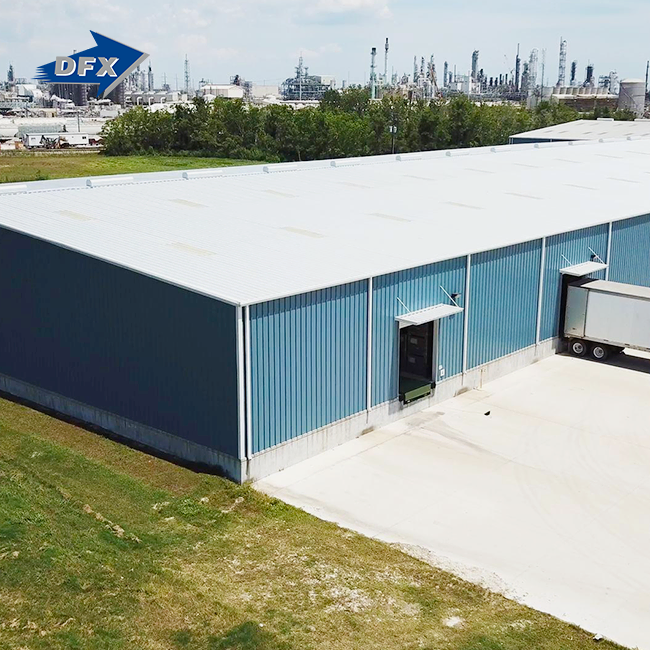
When budgeting for an aisc certified large-span steel structure hangar, the price tag rarely tells the full story. Procurement managers, project engineers, and EPC contractors frequently discover that the real cost picture involves certification standards, steel grades, span engineering, and supplier reliability — all working together. This guide breaks down exactly what drives costs, where the value lies, and how to make a confident purchasing decision.

Understanding AISC Certification and Its Impact on Hangar Costs
AISC (American Institute of Steel Construction) certification is more than just a badge; it's the result of a thorough manufacturing audit that looks at things like quality management systems, how materials are made, and how they can be tracked. This standard has a direct effect on cost in several ways for AISC-certified large-span steel structure hangars used for flight and industry.
Why Certification Adds Upfront Cost
Fabricators who are certified must use steel types that have been checked out, like ASTM A572 Grade 50 or an equivalent, Q355B, and have mill certificates to prove it. Tolerances for fabrication are tighter, welding methods need trained operators, and checks by a third party are required. These rules raise the costs of production by about 10–20% compared to manufacturing that isn't approved. But those premium purchases lowered structural risk, made insurance more competitive, and made sure that building codes like IBC and NFPA 409 were followed. This is very important for airport infrastructure and government-funded projects.
Long-Term Value Beyond the Purchase Price
Buildings that are approved by well-known quality systems always have lower upkeep costs over their entire life. If you treat a welded H-section steel frame against rust the right way—by shot blasting it to Sa2.5 and then covering it with an epoxy zinc-rich primer—it can last for more than 50+ years on an open airstrip. When you buy something cheaper, you often have to fix it within 10–15 years, which slowly eats away at your savings.
Key Cost Factors in Large-Span Steel Structure Hangar Projects
The final price of a compliant, aisc certified large-span steel structure hangar is based on a number of factors. Knowing about each one helps buyers negotiate well and stay within their budgets. Before you ask for a price, you should look at these main cost factors:
- Steel grade and material volume: AISC-referenced high-strength low-alloy steel costs more per ton than normal mild steel. A 60–100-meter-long hangar needs a lot of weight, usually 80 to 150 kg of steel per square meter of floor space. Choosing the right materials is the single biggest factor that affects the cost.
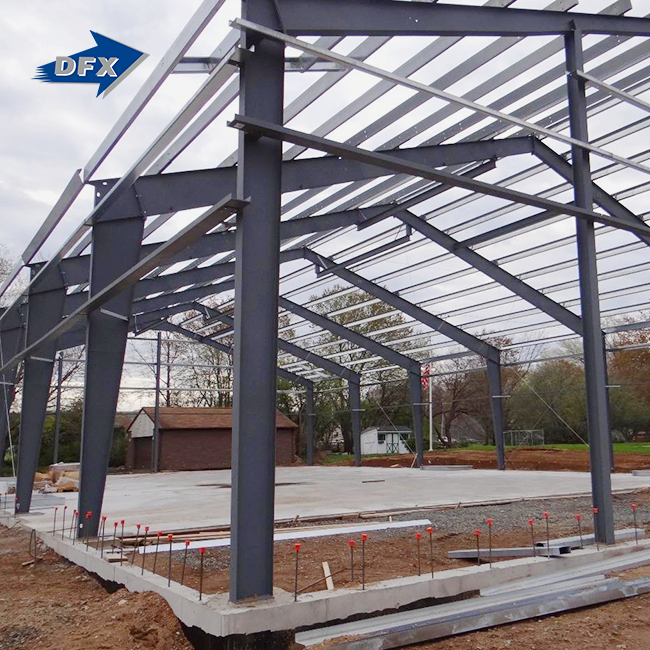
- Engineering and design complexity: Clear spans longer than 40 meters need portal frame or truss designs that are made to handle wind lifting, seismic loads, and snow buildup. Each structural calculation that is unique to a site takes more engineering hours. Customized design for wingspans ranging from light sport planes to wide-body jets needs special attention to detail.
- Fabrication method: Shop-welded, prefabricated H-beam parts cut down on building time and work on-site by 30–50% compared to traditional field assembly. With six automatic welded H-beam production lines, the same kind that well-known fabricators use, quality is maintained on a large scale.
- Enclosure system and accessories: Roofing made of insulated sandwich panels, high-clearance sliding or hydraulic hangar doors, windows, and ventilation systems are all extras that cost money. A full enclosure made of 75 mm PU sandwich panels coated with PVDF lasts longer and keeps more energy in than a single-skin cladding.
- Site logistics and installation support: The total cost of installation is affected by factors like distance from port to site, freight requirements, and base interaction needs. When turnkey providers include installation instructions, coordination risk goes down by a lot.
These things affect each other; a longer span needs heavier parts, which raises the cost of materials and the loads on the base. A more accurate project budget is made by looking at them all together instead of one by one.
Comparing Cost and Value: Certified Steel Hangars vs. Alternatives
It's not fair to compare AISC-certified large-span steel structure hangars to non-certified steel by itself. Instead, it's fair to compare certified steel to concrete or certified steel to uncertified prefab over the whole life of the asset.
Although concrete hangars usually have lower material costs, they take a lot longer to build (18–24 months for a similar size) and don't allow for much growth or reconfiguration in the future. On the same job, a steel building usually takes 6–10 months to finish. That difference in time directly affects how much money aviation MRO facilities and industrial tenants make or how ready they are to go into operation.
When compared to steel that isn't certified, the 10–20% extra that comes with certification is paid for in the first repair cycle. Certified buildings have inspection records that can be checked, which makes insurers happy and lowers the yearly rates for expensive flying assets. Structures that aren't certified often can't be used on government-funded building projects. This means that certification is a requirement for getting the job, not an extra that can be added later.
Procurement Considerations: Getting the Best Value
Effective procurement begins with understanding how pricing structures actually work for customized aisc certified large-span steel structure hangar projects.
Pricing Structures and Lead Times
Most fabricators give prices per square meter, and the prices change based on the span width, steel specification, and services that are included. Turnkey packages that include structural design, manufacturing, roofs, cladding, and installation instructions cost more per unit, but they lower the cost of planning and the risk of the contract. Lead times for custom fabrication are usually between 45 to 90 days, but can be longer or shorter depending on the size of the project. Planning ahead helps avoid delays in getting the site ready.
After-Sales and Warranty Considerations
Most of the time, qualified makers offer warranties on structural frames for 10 to 25 years. Customers should make sure that the guarantee covers more than just structural problems. It should also cover rust protection performance. Technical support after the sale, such as on-site installation help and documentation that explains each connection, lowers mistakes made during installation and improves the asset's long-term performance.
Selecting a Trusted Supplier: Ensuring Quality and Cost-Effectiveness
Choosing the right AISC-certified large-span steel structure hangar provider goes beyond comparing line-item quotes. Professionals in procurement should check the credentials of fabricators, look at their project files, and judge their technical skills on their own.
What to Look for in a Certified Steel Hangar Manufacturer
Reliable suppliers have quality management systems in place and certifications like ISO 9001, CE marking, COC, and PVOC that are recognized around the world. When a fabricator does its own architectural design and detailing, there are fewer delays in communication and better cost control from the idea stage to delivery.
Director Steel (Qingdao Director Steel Structure Co., Ltd.) was established in 2011 and has six automatic welded H-beam production lines and 40,000 square meters of protected production space. They have more than 200 trained workers. The company can weld about 20,000 tons of H-beams every year and works on projects like business buildings, airplane hangars, and industrial shelters. They are CE certified and follow ISO 9001 standards. Their full range of services includes figuring out the structure, making the design, putting it together, and giving advice on how to place it.
Conclusion
To make a good budget for an aisc certified large-span steel structure hangar, you need more than a per-square-meter estimate. Certification standards, steel specifications, span engineering, protection systems, and the ability of the seller all affect how much it really costs and how much it's worth in the long run. The modest up-front cost is consistently offset by improved performance over time, adherence to regulations, and decreased need for maintenance. When purchasing managers look at the total cost of ownership instead of just the purchase price, projects always turn out better, and assets are worth more.
FAQ
1. How much more does a certified large-span steel hangar cost compared to non-certified options?
The initial cost of building an AISC-certified large-span steel structure hangar is usually 10–20% higher. This is because of stricter requirements for materials, qualified welding methods, and quality checks by a third party. All of these things lower the long-term risk to the structure and the cost of maintenance.
2. What steel grades are used in large-span hangar structures?
ASTM A572 Grade 50 or its equivalent, Q355B, is a high-strength low-alloy steel that is often used for primary structure frames. These steels have a yield strength of 355 MPa or more. Grade 10.9 high-strength friction grip nuts are often used in connection gear.
3. Can a large-span steel hangar accommodate overhead cranes?
Yes. Bridge cranes weighing between 2 and 20 tons can be supported by the structure's crane runway beams and column brackets. To make sure the beams are the right size, crane loads must be estimated during the early stages of engineering.
4. How long do fabrication and delivery take?
Depending on the size and details of the job, customized manufacturing usually takes 45 to 90 days. Logistics timelines depend on where the goods are going and how they need to be transported inland.
5. Are these hangars adaptable to high-wind or seismic zones?
Certified large-span steel structures are designed to meet the wind and earthquake requirements of each site. Local wind speed maps, earthquake zone ratings, and snow load data are used as design inputs to make sure that the structure meets all building codes for the site.
Get Your Custom Hangar Quote from DFX Today
DFX provides aisc certified large-span steel structure hangars that are backed by ISO 9001, CE, COC, and PVOC certifications. With full in-house design, fabrication, and installation support, our team offers low prices, solid lead times, and turnkey service whether you are an EPC provider, an infrastructure developer, or an aviation company. To get a personalized quote from a reliable large-span steel hangar manufacturer, email our engineering team at jason@bigdirector.com.
References
1. American Institute of Steel Construction (AISC) — Steel Construction Manual, 16th Edition, 2023.
2. Metal Building Manufacturers Association (MBMA) — Metal Building Systems Manual, 2022.
3. National Fire Protection Association — NFPA 409: Standard on Aircraft Hangars, 2022 Edition.
4. International Building Code Council — International Building Code (IBC), 2021 Edition.
5. Gorenc, B., Tinyou, R., & Syam, A. — Steel Designers' Handbook, 8th Edition, UNSW Press, 2012.
6. Trahair, N.S., Bradford, M.A., Nethercot, D.A., & Gardner, L. — The Behaviour and Design of Steel Structures to EC3, 4th Edition, Taylor & Francis, 2008.
Learn about our latest products and discounts through SMS or email