- English
- French
- German
- Portuguese
- Spanish
- Russian
- Japanese
- Korean
- Arabic
- Greek
- German
- Turkish
- Italian
- Danish
- Romanian
- Indonesian
- Czech
- Afrikaans
- Swedish
- Polish
- Basque
- Catalan
- Esperanto
- Hindi
- Lao
- Albanian
- Amharic
- Armenian
- Azerbaijani
- Belarusian
- Bengali
- Bosnian
- Bulgarian
- Cebuano
- Chichewa
- Corsican
- Croatian
- Dutch
- Estonian
- Filipino
- Finnish
- Frisian
- Galician
- Georgian
- Gujarati
- Haitian
- Hausa
- Hawaiian
- Hebrew
- Hmong
- Hungarian
- Icelandic
- Igbo
- Javanese
- Kannada
- Kazakh
- Khmer
- Kurdish
- Kyrgyz
- Latin
- Latvian
- Lithuanian
- Luxembou..
- Macedonian
- Malagasy
- Malay
- Malayalam
- Maltese
- Maori
- Marathi
- Mongolian
- Burmese
- Nepali
- Norwegian
- Pashto
- Persian
- Punjabi
- Serbian
- Sesotho
- Sinhala
- Slovak
- Slovenian
- Somali
- Samoan
- Scots Gaelic
- Shona
- Sindhi
- Sundanese
- Swahili
- Tajik
- Tamil
- Telugu
- Thai
- Ukrainian
- Urdu
- Uzbek
- Vietnamese
- Welsh
- Xhosa
- Yiddish
- Yoruba
- Zulu
Aircraft Paint Hangar Structure for MRO Facilities: Key Specs
An aircraft paint hangar structure for MRO facilities is a long span high clearance facility for housing an aircraft during surface preparation, painting, curing and inspection. Key requirements start with a clear span and door height based on the largest aircraft. Next is a steel frame to local loads, an insulated airtight enclosure, controlled ventilation, temperature and humidity management, and fire and electrical protection built to NFPA and local requirements. I prepared this guidance for contractors, MRO operators, and project engineers who need to compare quotes with confidence. Let’s take each of the specs so you can brief your supplier correctly.

Core Design Specifications for an Aircraft Paint Hangar Structure
Before you ask for prices, find out what makes this kind of building special. Everything else is shaped by the steel shell.
What Sets a Paint Hangar Apart from a Maintenance Hangar
The main thing it does is to keep aeroplanes safe and get them fixed properly. The inclusion of an aircraft paint hangar structure provides an even greater level of control to the process. It must monitor temperature, humidity, airflow, VOC emissions, overspray, ignition sources, and surface cleanliness. This makes me conceive of the whole thing – steel shell, enclosure, air, fire, and power tools – as one thing I have to acquire, not several things I have to buy. The final standards vary based on the type of covering, size of the aircraft, and how it was worked on. They also consider local building codes, environmental approvals, and laws such as NFPA 409 and NFPA 33. In the US, the EPA has an aircraft NESHAP that might also cover work on aircraft surfaces. So you need to speak to an environmental specialist before you do anything. You don’t want to have to do things twice.
Size, Layout, and Structural Dimensions
First, make the group's biggest aircraft. Write down the length, width, and height of the tail of the airframe, as well as the size of the door opening it needs. Next, make sure there is enough room around it to work safely. There should be room for the fleet to grow and staging, mobile platforms, ground support equipment, prep areas, and emergency exits in the plan as well. For building loads in the US, ASCE 7 is the rule. There are loads for earthquakes, dead, wind, snow, tools, lights, and upkeep. The same amount of care is needed for everything. Cars and aircraft's big wheels rest on slabs, which also drain water, protect chemicals, connect things, and keep things grounded. Do not let water in through the doors, as this can harm the paint and pressure control.
Structural Materials and Building Systems
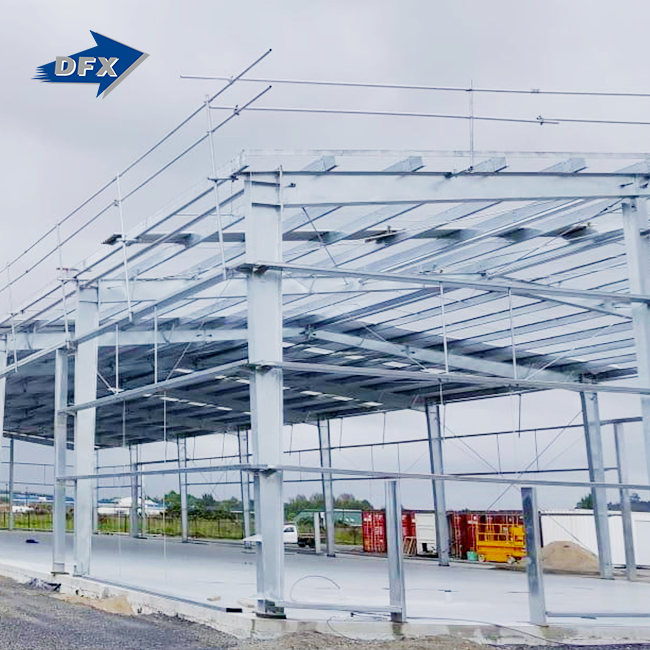
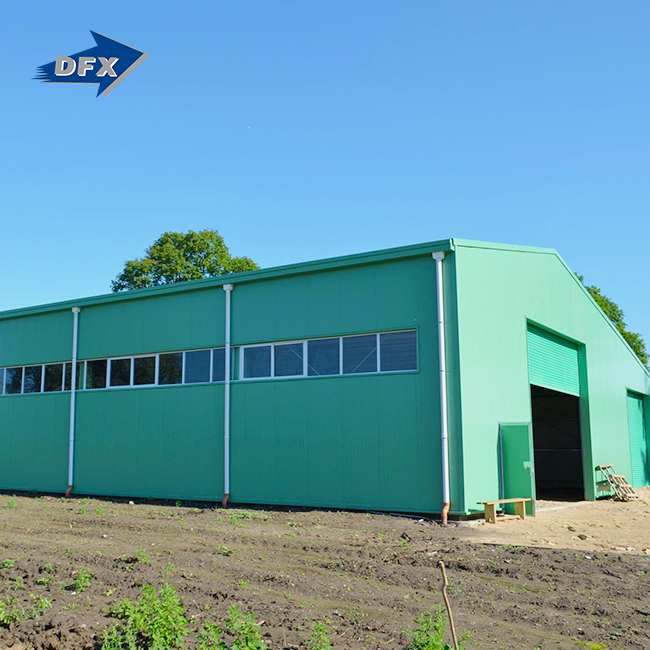
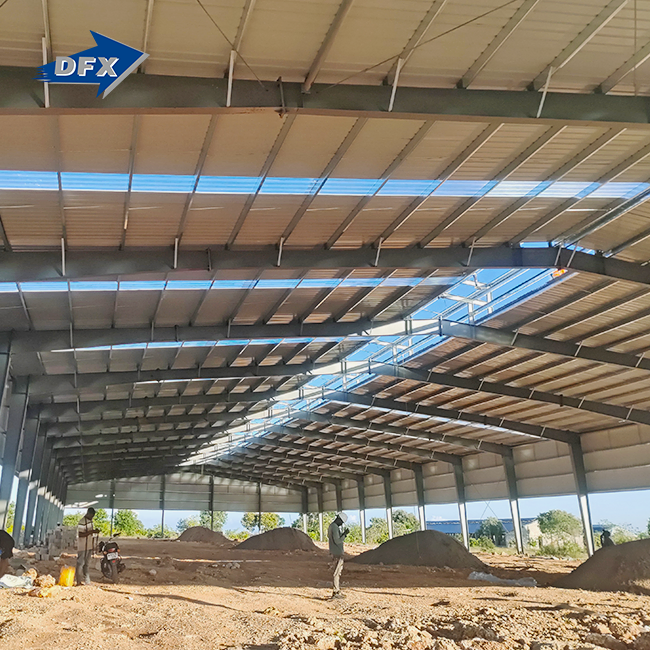
For an aircraft paint hangar structure, structural steel is a good choice because it is easy to put together and can be made to fit different forms. Even though steel has large doorways and clear spans, it still needs to be protected from rust. This is true even when acids, water, and cleaning chemicals are present. Fabric or membrane buildings can be used to add extra space temporarily or in a remote area. But you should check how long they last and how well they keep the heat in, the cold out, and the weather out. I suggest that the container have walls that keep air out, joints that keep air out, smooth surfaces that are easy to clean, and finishes that won't mix with chemicals. Along with the frames and secondary steelwork, a good quote should cover everything, such as the roofs, walls, doors, foundations, platforms, equipment supports, grounding, drainage, and utility provisions. This way, nothing gets missed when there are breaks between sources.
Ventilation, Climate, Lighting, and Fire Safety Requirements
This is what makes the paint and the building pass or fail: the world inside the shell.
Ventilation and Airflow
Different types of aircraft, coating methods, and local laws can all use cross-flow, side-draft, semi-downdraft, and downdraft layouts. Most of the time, downdraft gets rid of overspray better, but it needs more pits and groundwork. Cross-flow can be used with slabs that are already there, but you need to watch how the air moves. Negative pressure that is controlled helps keep contaminants inside. It is not safe to move air through doors that leak air or with full screens. It also uses more energy to make quick make-up air. People often look in the ACGIH airflow guides to find the right size. On the list of things you need to buy, write down VOC cleaning and filter maintenance.
Temperature, Humidity, and Lighting
When conditions are stable, the coating stays the same in terms of how it looks, how it sticks, and how it cures. What do you think about how well the heating, cooling, airflow, recovery time, and heat loss work? This is especially important when big doors are opened a lot. To avoid condensation, blistering, blushing, poor bonding, and patchy drying, keep an eye on the dew point, the relative humidity, the skin temperature on the aircraft, and the temperature of the material. That way, testers can see flaws and match colors. The light should be even and bright, with few shadows and true colors. LED lights that are sealed work well most of the time. But your risk assessment might tell you that you need safe fittings in places that are dangerous or could blow up. Monitoring and warning systems can keep an eye on things and make it easier to paint over and over again.
Fire Protection, Electrical Safety, and Compliance
As part of a well-thought-out plan, there should be automatic suppression, an emergency stop, detection, a fire-rated building, spill control, fire extinguishers, and clear trails of escape. According to the risk assessment, parts that are likely to be dangerous should be marked. These could be lights, motors, switches, sensors, control screens, and places where wires come in. Grounding, bonding, static control, and interlocks are also very important. If NFPA 409, NFPA 33, ATEX, or IECEx apply, they may need to be taken into account in the design. It's possible that you will also need to follow FAA rules, local fire and building codes, environmental permits, and rules about health and safety at work.
Design Options, Cost, and Supplier Selection
Now we need to choose what to buy. This is where I'll talk about the choices that cost the most and cause the most risk.
Fixed, Portable, and Booth-Based Options
When it comes to MRO, workers can choose from systems that are stable, mobile, premade, made of steel or cloth, booth-based, or full-hangar. Your best fit will rely on the type of aircraft, the length of the project, the output, the amount of room you have, the need to move, any permits you need, your plans for growth, and the type of aircraft you use. Fabric or portable systems can be used for short-term or extra needs. A steel building that stays put will last longer and keep the weather out better. A paint booth might work for small aircraft or working on parts, but a full aircraft paint hangar structure is better for moving the whole aircraft and working on all of its parts at the same time.
Cost and Procurement Factors
Price changes based on more than just floor room. Some of these are the clear-span size, the number of doors and foundations, the floor systems, the ventilation, the filters, the VOC treatment, the fire protection, the automation, the conditions of the site, the installation, the tests, the permits, and the electrical equipment that is used in hazardous areas. The prices for structure shells, full hangar kits, paint booths, and full delivery should all be kept separate. Costs for planning, calculations, materials, shipping, setting up, starting up, training, the warranty, and any extra parts should all be included in a single price quote. It is also important to think about how much something costs over its whole life, like how much energy, filters, repairs, calibration, and downtime cost. If you plan a staged buying process, the risk of the schedule and the engagement can go down.
How to Choose a Manufacturer or Supplier
A supplier should be able to show that they can create structures, design hangars, make them, help with fittings, and provide service after the sale. They should also hire people who are very knowledgeable about air, power, and fire safety. Find out about the full plans, structural calculations, load data, door data, testing methods, warranty terms, and spare part lists. Make sure you know how to fill out customs forms, ship packages internationally, and follow the laws of the countries you are sending to. These days, only a qualified engineer in the US needs to look over the plans for US projects. Find out what the provider can do to assist you with this. People can talk to each other more easily, it's clear who is in charge of what, and the plan stays on track when there is a partner in both engineering and manufacturing.
Commissioning, Checklist, and the DFX Steel Solution
When the steel gets there, good planning doesn't end. The last few steps help you do what was said above and keep it safe.
Commissioning and Maintenance
For an aircraft paint hangar structure, not just the shell, but the whole building should be turned on. Look at the filters, the fire systems, the emergency shut-offs, the sensors, the controls, and the direction and amount of airflow. Also, check how grounded the enclosure is and the difference in pressure. Check to see how well the enclosure is put together too. In real life, performance studies might look at noise, temperature maps, airflow regularity, air velocity, VOC tracking, humidity confirmation, and tracking of airflow and velocity. Always keep the fire safety, wires, sensors, seals, lights, flame protection, fans, filters, sensors, and rust protection in good shape. To find the return on investment (ROI), you should keep track of things like VOC compliance, downtime, workload, energy use, energy turnover, repairs, and the number of people using the hangar.
Design Checklist Before You Request Quotes
To begin, make a list of the aircraft types, largest measurements, coats, how they're put on, how much weight they can carry, ground support equipment, and plans for the future fleet. Next, make a list of the open spaces, door sizes, foundations, floor loads, insulation, finishes, drains, emergency exits, ventilation, pressure control, temperature, humidity, filters, VOC treatment, fire protection, wiring, automation, and electrical systems that can be used in hazardous areas. Get permissions, send the money, set it up, try it, get a warranty, learn how to use it, get extra parts, do upkeep, and grow. If you send this list to all bidders and then compare technically complete proposals, you can find gaps in the scope that weren't there at first.
DFX Long-Span Steel Building for Hangar Projects
Qingdao Director Steel Structure Co., Ltd. (DFX), the company we work for, has been making structural steel since 2011. We now have office buildings, processing plants, and hangars for aircraft. The main parts of our long-span steel buildings with lots of space are welded H-section steel and a better system of braces. Custom production is in China, and it's used to build big industrial buildings, hangars for aircraft, and places to store heavy equipment. As part of our service, we prepare the site, design and build things, and assist with setting them up. These marks—CE, COC, and PVOC—let you know that our things are safe. We also check the quality of ISO. More than 200 people work in our 40,000-square-meter factory, which has six robotic H-beam lines and a lot of room for this work. We provide the steel building and work with your equipment sources to set up custom paint systems.
Conclusion
When you're building an aircraft paint hangar structure, you need to think about the steel shell, the enclosure, the airflow, the lighting, the temperature control, and the fire safety as a whole. Always make sure the building is the right size based on the largest aircraft and that the foundations and doors are strong enough to hold real weight and seal properly. Also, make sure there is enough temperature, humidity, and airflow for the coating to work. People who want to buy should think about how much it will cost them to own a set, portable, or booth-based choice. Aside from that, they should get quotes with specifics and check that the supplier's paperwork and code arrangements are right. Last, tests before and after the building is put into use make sure it works right. It will save you a lot of trouble, extra work, and schedule risks if you follow these steps.
FAQ
Q1: Can a prefabricated steel shell support aircraft painting?
Paint can't just hang off the shell, no. There must be paint-friendly ways to cover, paint, insulate, save energy, and protect the earth.
Q2: What information do I need for an accurate quotation?
Tell us about the aircraft, the site, the standards that must be met, the goal capacity, the scope of the installation, and the timing for the job. If you tell the supplier everything they need to know, they will be able to price the right scope the first time.
Q3: Is there one standard ventilation layout or price?
Not at all. The best route and cost depend on the aircraft's size, the finishing materials, the amount of work that needs to be done, the weather, the rules of the area, and the site's state.
Q4: Does DFX supply the ventilation and fire systems?
With help from DFX, the long-span steel frame is planned, designed, built, and put up. Fire, air, and wastewater systems are all things you can talk to your top sellers about.
Request an Aircraft Paint Hangar Structure Quote from DFX
We at DFX are ready to look at your schedule, aircraft plans, and aircraft paint hangar structure plans. We can help you with designing, building, and installing structures and doing the math to back it up. This business has been making steel frames for aircraft paint hangars for more than 12 years. Send an email to Jason@bigdirector.com to find out more about your idea. They will get back to you with a full plan.
References
1. NFPA 409: Standard on Aircraft Hangars, 2022
2. NFPA 33: Standard for Spray Application Using Flammable or Combustible Materials, 2021
3. U.S. Environmental Protection Agency, National Emission Standards for Hazardous Air Pollutants: Aerospace Manufacturing and Rework Facilities (40 CFR Part 63, Subpart GG), 1995
4. ASCE/SEI 7-22: Minimum Design Loads and Associated Criteria for Buildings and Other Structures, 2022
5. AISC 360-22: Specification for Structural Steel Buildings, 2022
6. ACGIH, Industrial Ventilation: A Manual of Recommended Practice for Design, 2019
Learn about our latest products and discounts through SMS or email