- English
- French
- German
- Portuguese
- Spanish
- Russian
- Japanese
- Korean
- Arabic
- Greek
- German
- Turkish
- Italian
- Danish
- Romanian
- Indonesian
- Czech
- Afrikaans
- Swedish
- Polish
- Basque
- Catalan
- Esperanto
- Hindi
- Lao
- Albanian
- Amharic
- Armenian
- Azerbaijani
- Belarusian
- Bengali
- Bosnian
- Bulgarian
- Cebuano
- Chichewa
- Corsican
- Croatian
- Dutch
- Estonian
- Filipino
- Finnish
- Frisian
- Galician
- Georgian
- Gujarati
- Haitian
- Hausa
- Hawaiian
- Hebrew
- Hmong
- Hungarian
- Icelandic
- Igbo
- Javanese
- Kannada
- Kazakh
- Khmer
- Kurdish
- Kyrgyz
- Latin
- Latvian
- Lithuanian
- Luxembou..
- Macedonian
- Malagasy
- Malay
- Malayalam
- Maltese
- Maori
- Marathi
- Mongolian
- Burmese
- Nepali
- Norwegian
- Pashto
- Persian
- Punjabi
- Serbian
- Sesotho
- Sinhala
- Slovak
- Slovenian
- Somali
- Samoan
- Scots Gaelic
- Shona
- Sindhi
- Sundanese
- Swahili
- Tajik
- Tamil
- Telugu
- Thai
- Ukrainian
- Urdu
- Uzbek
- Vietnamese
- Welsh
- Xhosa
- Yiddish
- Yoruba
- Zulu
Are Steel Structure Garden Sheds Weather Resistant?
Steel-structure garden sheds demonstrate exceptional weather resistance when properly designed and manufactured. Modern steel sheds utilize hot-dipped galvanized frameworks and protective coatings that effectively combat corrosion, rust, and environmental damage from rain, snow, wind, and UV exposure. With proper material selection, robust structural engineering, and routine maintenance, a steel structure garden shed offers decades of reliable service across diverse climates, outperforming traditional wood or vinyl alternatives in durability and lifecycle cost-effectiveness.

Introduction
Weather resistance is the most significant factor for purchasing managers and agricultural company owners when choosing outdoor storage options. Steel structure garden shelters protect precious commodities, equipment, and farm items from weather damage, making them popular in business-to-business purchasing groups. Metal shelters offer fortress-like protection from nature's harshest elements. Water damages wooden shelters, while UV radiation breaks plastic sheds.
Weather safety impacts more than simply survival; it affects efficiency. Corroded sheds make tools less dependable, cost more to repair, and disrupt project planning. Steel is strong due to its mechanical properties. This extensive research also examines design elements that make steel safer and maintenance advice that extends its lifespan. This information may help you make wise purchase decisions that balance short-term expenses with long-term advantages, whether you run a factory that needs to keep equipment or an agricultural firm that needs to maintain hay.
Understanding Weather Resistance in Steel Structure Garden Sheds
"Weather resistance" refers to how well the metal storage building stays put and works in bad weather, such as rain, snow, high winds, changes in temperature and humidity, and UV rays. The safe ways the material is made and the steps taken during production make it last a long time.
The Metallurgy Behind Durability
The best thing about steel is that it is naturally strong for how heavy it is. Even when there is a lot of snow and winds that are faster than 110 km/h, hot-rolled H-section beams and posts can hold a lot of weight. When you add C/Z galvanized purlins to the framework, they make it stiff so it doesn't bend when the weather is bad. When you galvanize steel, you cover it with zinc. This makes a layer that corrodes faster than the metal underneath, which keeps the metal from rusting. Zinc coatings with a Z275 density (275 grams per square meter) are usually put on by good manufacturers. This is a strong defense in damp or coastal areas where salt spray speeds up rusting.
Comparing Material Performance
Sheds made of wood soak up water, which makes them swell, fungus grow, and the wood rot. More damage is done to buildings by termites and carpenter ants. Vinyl and resin alternatives that are exposed to UV light for a long time break and crack, letting water in and shortening their life to 8 to 12 years. Structures made of steel that are hot-dipped galvanized and have many layers of protective coatings can usually last more than 25 to 30 years with little upkeep. This lowers the total cost of ownership, which is very important for business-to-business buyers who have to keep track of budgets and repair plans for many locations.
Protective Coating Systems
Aside from being galvanized, high-end steel sheds have advanced polymer treatments or powder coatings. Wear and tear on the surface, chalking, and color loss can't happen with these topcoats. If you heat and cool silicone-modified polyester (SMP) coatings a lot, they will still keep their protective quality. They stick well and are flexible. As you compare suppliers, make sure that the thickness of the coating meets the standards for the industry. This is generally between 15 and 20 microns for topcoats. No matter how good the steel is, it won't be as weatherproof if the cover isn't good enough.
Critical Factors Impacting the Weather Resistance of Steel Garden Sheds
Many choices made during the design and construction of a metal steel structure garden shed affect how well it stands up to weather problems. Buying teams can set standards that are in line with how things work when they know about these things.
Structural Design Elements
The pitch of the roof is a big part of how water gets out. The top of your shed should have a minimum 15-degree slope if you put it somewhere that gets a lot of rain or snow. This way, water will get off the roof quickly and not pool. They keep water away from the base and keeps water from getting into the ground, which can damage the soil. You should pay close attention to how doors and windows shut. When a door or window is closed, rubber gaskets and weatherstripping should fully contract, leaving no holes that let rain in from the wind. When you put ventilation grilles under the eaves, air flows better, and there is less condensation inside the building. Condensation can damage stored items and make metal surfaces more likely to rust.
Material Quality Considerations
There are different kinds of galvanized steel that are not all safe. Hot-dipped galvanized sheets have thicker zinc layers than electro-galvanized sheets, but their performance windows are shorter (5-7 years before rust shows). The hot-dip process makes a strong link between the zinc layer and the panels, so it stays on even if they get bent or hit while being put together. When you buy something, it should be made clear that the hot-dip galvanization meets ASTM A653 or EN 10346 standards. The gauge of the panel is just as important as how thick it is. Some people think that 0.4 mm thick corrugated wall panels are enough to protect their homes, but for business use, 0.5 to 0.6 mm gauges that don't dent and keep their look over time are better.
Installation Precision
Professional placement removes weatherproofing weaknesses. Stable, level foundations are needed. The finest foundations are concrete floors with vapour barriers to prevent groundwater from entering stored things. High winds raise the frame, but anchor bolts stop it. In tornado-prone or coastal locations, this is crucial. If the parts aren't aligned properly, water may enter between the seams and accelerate rotting. Skilled installers put rubber washers on all screws. These block water entry and exit. Setting up the structure carefully extends its lifespan and preserves the manufacturer's guarantee.
Maintenance Tips to Preserve Weather Resistance Over Time
Maintenance plans that keep metal storage buildings in good shape find small issues before they get worse and need expensive fixes or replacement before they're time.
Inspection Routines
Checking the whole area by foot every three months can help find early danger signs. On the outside, look for rust spots, especially where the metal was joined or where the coating may have come off while it was being put together. If the door is sagging or sticking, it means that either the base is sinking or the hinges are worn out, which can let air leak in. Look at the ridge caps of the roof panels to see if there are any weatherproofing or fasteners that aren't tight enough. When you look inside, you can see condensation problems. Water spots on kept items or clear signs of moisture on inside surfaces mean that airflow isn't working well and needs to be fixed.
Cleaning Protocols
When you clean metal surfaces once a year, you get rid of the salt, pollen, and dirt that stick to them and keep water in. Do not use rough pads or strong chemicals that could hurt the layers that are being protected. Use mild soaps and soft brushes instead. To get rid of soap buildup, rinse well. More often (every three months), coastal systems should be washed to get rid of salt buildup. Extra care should be taken with horizontal surfaces, as that's where dirt and other things tend to gather, creating wet spots that are perfect for corrosion to begin.
Repair and Restoration
Cover up any scratches or damage right away with zinc-rich touch-up paint that fits the original finish. To get rid of small rust spots, wire-brush them and then use rust-converter products and protective primers. Drafts and water can't get in after the seals around doors and windows are done. Sealants made of silicone work well in a wide range of temperatures. You might want to have a professional check out and recoat your roof every 5 to 7 years. This will make the item last longer, especially in harsh environments like the military or factories where dirt and dust in the air speed up wear and tear.
Seasonal Preparation
Before it gets cold, people who live in places that get a lot of snow need to check the roof for damage and clean out the gutters. You might want to use snow guards if the amount of snow you usually get is more than the recommended load rates. In the spring, look for damage from ice dams and fix any holes that were made by the ice expanding and contracting. Make sure there is enough airflow as you get ready for summer. If the temperature inside rises above what is safe for storing food or sensitive equipment, you should add more vents.
Procurement Considerations: Selecting Weather-Resistant Steel Garden Sheds
For strategic procurement to work, the needs of the project now need to be balanced with the needs of the business in the long term. This means that the purchase price alone is not enough to understand it.
Design Flexibility Options
Prefabricated types are ideal for convenient storage since they are standard sizes and easy to assemble. These spaces may store tools, automobiles, and more. They have open or covered sides. Change options to meet room demands, interact with infrastructure, or govern the atmosphere. Hay storage customers choose versions with open sides to allow airflow and keep items dry in case it rains. In most cases, manufacturers require enclosed structures for safety and temperature control.
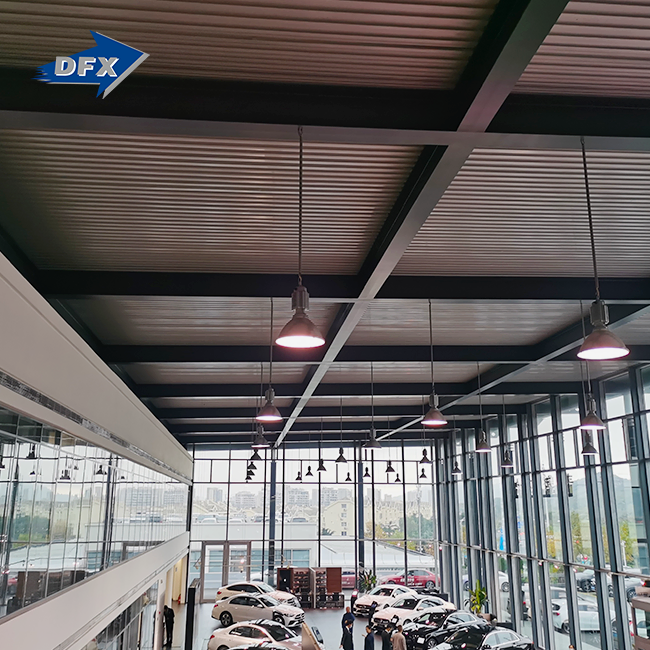
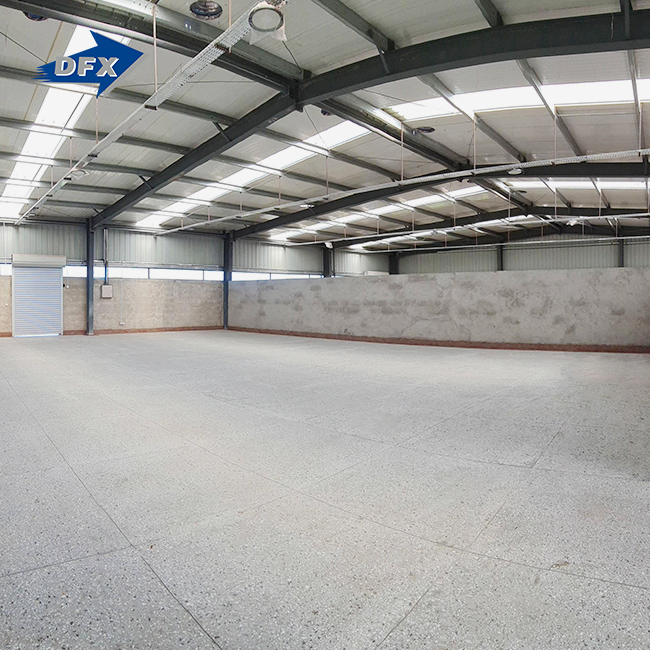
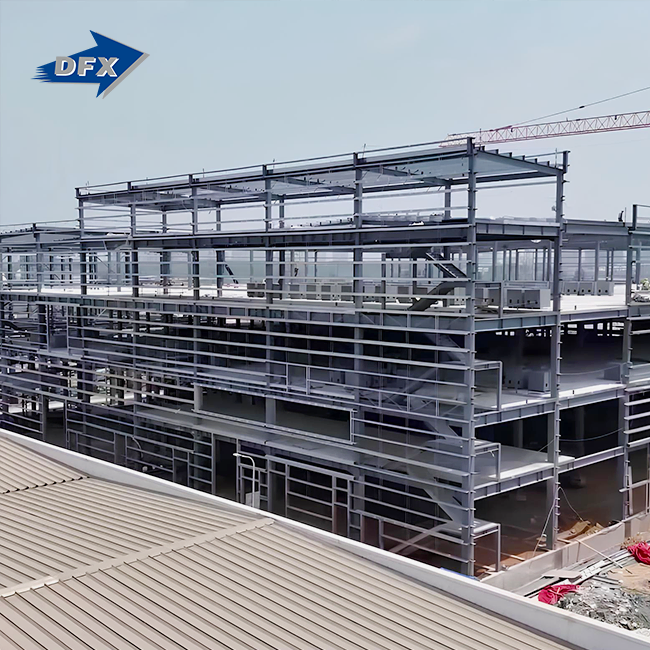
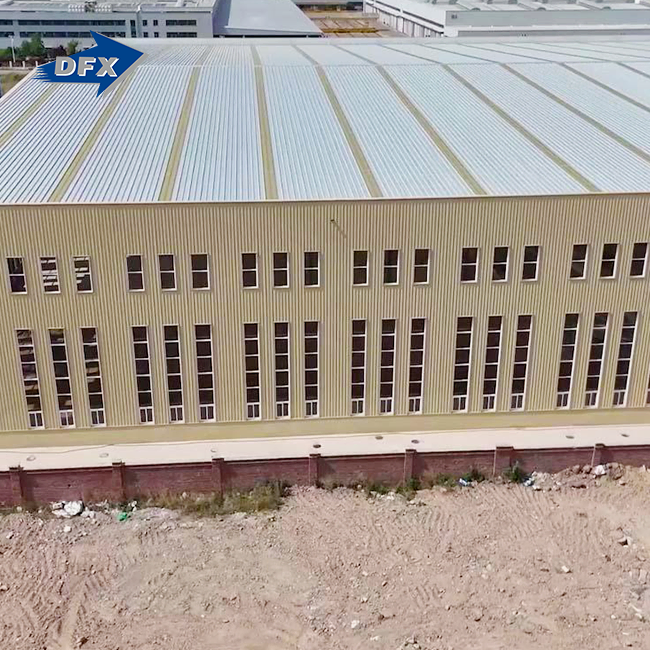
DFX offers basic and unusual choices. H-section beam and column frames with C/Z steel purlins. In closed designs, the whole exterior is covered for safety. Open-sided arrangements allow tools to move freely within. So procurement teams may match construction demands to labour needs without compromising weather resistance.
Supplier Evaluation Criteria
Companies with a good name make it easy to see what materials are used, what finishes are used, and how much weight the structure can hold. Standards for quality around the world are met by ISO 9001, CE marking, COC (Certificate of Conformity), and PVOC (Pre-Export Verification of Conformity). How sure the company is of the product is shown by how long the warranty lasts. Some suppliers may only cover you for 2 to 5 years against rust perforation on hot-dipped galvanized parts, while more expensive ones may cover you for 10 to 20 years. After-sales support, which includes things like installation guides, technical documents, and replacement parts, can affect both total lifecycle satisfaction and the ability to keep operations running.
Lifecycle Cost Analysis
Before you buy something, it's better to think about how much it will cost you in total over time. Steel sheds are more expensive than wooden sheds at first, but they save you money in the long run because they don't need to be painted, sealed, or fixed up. Lifecycle economics is good because it means that repair workers don't have to do as much work, and things don't need to be replaced as often. Delivery is an important thing to think about. Short production processes and joint shipping from suppliers help keep projects on track. How much it costs to install depends on what kind of base is needed and how difficult the building is. When you buy something, making sure you get full installation plans helps you figure out how many people you'll need and keeps costs from going over budget.
Case Studies & Real-World Performance of Steel Structure Garden Sheds in Harsh Climates
Deployment data from the real world tells us useful things about how things work in difficult settings, which backs up claims of theoretical weather resistance.
Coastal Agricultural Applications
A chicken farm in the Northwest of the United States needed a place to store food, tools, and supplies for upkeep. It rained all the time and blew salty air near the farm. It got more than 150 inches of rain a year. Before, wooden steel structure garden sheds would break down every six to eight years, which meant they had to be changed often and made things harder to do. The farm moved to buildings made of aluminum that were hot-dip galvanized and then powder-coated. The sheds haven't rusted much after 12 years of use, and their structure is still strong. They only need basic cleaning and upkeep. The operations manager is happy that repairs don't have to be done when the factory is busy making things, because it saves the company a lot of money.
Industrial Equipment Storage in Temperature Extremes
At a factory in the northern Great Plains, it gets as cold as -30°F in the winter and as hot as 95°F in the summer. There are also strong winds and a lot of snow. Buildings that were used to store equipment had to be able to handle 40 pounds of snow per square foot and protect equipment worth more than $500,000. These things can happen, but custom-built steel sheds with stronger triangular roof beams and thicker frames can handle them. Every three months for eight years, inspections have shown that there is no movement in the structure, wear and tear on the coating, or damage from the weather. The procurement manager says it's very important to give the right load rates and have pros set it up.
Lessons from Failure Analysis
There are common security holes when instructions aren't clear or when shortcuts are used during installation. When coastal projects use electro-galvanized steel, rust shows up in 4 to 6 years. This means that the steel needs to be re-coated or replaced, which costs a lot of money. If the foundation shortcut isn't done right, the frame can bend. This makes it harder to seal the walls and gives water a way in. If you don't pay enough attention to airflow, recoating can damage things that are stored, even if the outside is dry. These lessons teach us how important it is to make sure that the building meets the needs of the area and that the work is done by trained professionals.
Emerging Technology Trends
Nano-ceramic pieces in new covering systems make them UV-resistant and self-cleaning, reducing maintenance. Smart sensors detect temperature, moisture, and structural stress. This helps plan maintenance and prevent errors. Many firms are developing covers that only operate in particular situations. For example, formulations near the shore may need to withstand high salt levels, formulations at the equator may need to protect against UV radiation, and formulations in the Arctic may need to be flexible in cold temperatures. Metal storage structures currently function as complicated environmental protection systems. Nano-ceramic pieces in new covering systems make them UV-resistant and self-cleaning, reducing maintenance. Smart sensors detect temperature, moisture, and structural stress. This helps plan maintenance and prevent errors. Many firms are developing covers that only operate in particular situations. For example, formulations near the shore may need to withstand high salt levels, formulations at the equator may need to protect against UV radiation, and formulations in the Arctic may need to be flexible in cold temperatures. Metal storage structures currently function as complicated environmental protection systems.
Conclusion
Steel structure garden sheds are very weatherproof because their frames are galvanized, they have protective coatings, they are built with engineering features, and they are put together properly. People who are in charge of farms, factories, or building projects should buy these because they can handle rain, snow, wind, UV-protective coatings, and extreme temperatures without getting damaged too badly. If you pay attention to material specs, supplier certifications, and lifetime cost analysis when you buy metal storage buildings, you can be sure that they will last for decades. By keeping up with regular maintenance, you can get even more out of these benefits. Maintenance protects your valuable tools and supplies and keeps things running smoothly. Engineered metal sheds are a good buy because they last a long time and don't cost much to keep up as long as they are set up and taken care of correctly.
FAQ
1. How does internal condensation management work in quality steel sheds?
The best units for professionals have air systems built in that deal with humidity. By putting grilles under the roof eaves, air can flow through them and get rid of damp air before it turns into condensation. On the inside of high-end models, the roof panels have anti-condensation fleece coats that soak up water from the air and slowly let it evaporate. Drops of water won't be able to damage hidden items or tools.
2. What maintenance does galvanized coating require?
People say that galvanized surfaces don't need much care, but they do need to be washed with water and mild soap once a year to get rid of dirt or salt that sticks to the metal and makes it wet. Right away, fix any cuts that show the base metal. Paint the metal with zinc-rich paint to keep the protective layer in place and keep rust from starting where it's already been damaged.
3. Can these structures handle heavy snow loads safely?
How the building is built determines how much weight it can hold. That's enough for places where it snows only a little. Standard home models can hold 15 to 20 pounds per square foot. To raise the weight limit to 30 to 40 pounds per square foot in places where it snows a lot, changes need to be made to the roof trusses and frame to make them stronger. When making a list of things you want to buy, you should always check that the load rates are right for your area.
Partner with DFX for Superior Steel Structure Garden Shed Solutions
Teams that need reliable storage options that won't get damaged by the weather should work with well-known steel structure garden shed manufacturers who have a history of giving great customer service and high-quality goods. DFX has been making structural steel for more than 12 years and has high-tech factories in China that cover 40,000 square meters. We can make things with six automatic H-beam lines and dedicated processing for C/Z section steel. This keeps quality control the same throughout the whole process.
We can do everything for you, from standard design and manufacturing to safe packaging and thorough installation plans. We can do this for a wide range of projects, from hay storage sheds on farms to parking lots for cars and equipment maintenance sheds. Our goods have been approved by ISO 9001, CE, COC, and PVOC, which means they follow international rules that keep your money safe. Since DFX knows that business-to-business purchases need to be made quickly, they have short production cycles and quick customer service after the sale. They also build things that will last for decades in tough environments. Email our team at jason@bigdirector.com to talk about your needs and get a quote that works for your business.
References
1. American Society for Testing and Materials. (2020). ASTM A653/A653M Standard Specification for Steel Sheet, Zinc-Coated (Galvanized) or Zinc-Iron Alloy-Coated (Galvannealed) by the Hot-Dip Process. West Conshohocken: ASTM International.
2. European Committee for Standardization. (2015). EN 10346 Continuously Hot-Dip Coated Steel Flat Products for Cold Forming - Technical Delivery Conditions. Brussels: CEN Publications.
3. National Association of Home Builders Research Center. (2018). Durability and Service Life Prediction of Steel Building Components. Upper Marlboro: NAHB Research Center.
4. Steel Construction Institute. (2019). Protective Coating Systems for Structural Steelwork: Performance Standards and Application Guidelines. Ascot: SCI Publications.
5. Agricultural Engineers Association. (2021). Best Practice Guidelines for Farm Storage Structures: Materials, Design, and Weather Protection. Peterborough: AEA Technical Publications.
6. International Organization for Standardization. (2017). ISO 12944 Paints and Varnishes - Corrosion Protection of Steel Structures by Protective Paint Systems. Geneva: ISO Standards Catalogue.
Learn about our latest products and discounts through SMS or email