- English
- French
- German
- Portuguese
- Spanish
- Russian
- Japanese
- Korean
- Arabic
- Greek
- German
- Turkish
- Italian
- Danish
- Romanian
- Indonesian
- Czech
- Afrikaans
- Swedish
- Polish
- Basque
- Catalan
- Esperanto
- Hindi
- Lao
- Albanian
- Amharic
- Armenian
- Azerbaijani
- Belarusian
- Bengali
- Bosnian
- Bulgarian
- Cebuano
- Chichewa
- Corsican
- Croatian
- Dutch
- Estonian
- Filipino
- Finnish
- Frisian
- Galician
- Georgian
- Gujarati
- Haitian
- Hausa
- Hawaiian
- Hebrew
- Hmong
- Hungarian
- Icelandic
- Igbo
- Javanese
- Kannada
- Kazakh
- Khmer
- Kurdish
- Kyrgyz
- Latin
- Latvian
- Lithuanian
- Luxembou..
- Macedonian
- Malagasy
- Malay
- Malayalam
- Maltese
- Maori
- Marathi
- Mongolian
- Burmese
- Nepali
- Norwegian
- Pashto
- Persian
- Punjabi
- Serbian
- Sesotho
- Sinhala
- Slovak
- Slovenian
- Somali
- Samoan
- Scots Gaelic
- Shona
- Sindhi
- Sundanese
- Swahili
- Tajik
- Tamil
- Telugu
- Thai
- Ukrainian
- Urdu
- Uzbek
- Vietnamese
- Welsh
- Xhosa
- Yiddish
- Yoruba
- Zulu
AISC Certified Large-Span Steel Structure Hangar Design Guide
Does permission really matter? That’s a topic that comes up virtually every time a customer approaches me about establishing a huge airport or a factory. The simple answer is yes, and this guide will tell you why. But what does an aisc certified large-span steel structure hangar truly mean? It is an engineering norm that has been rigorously examined, and that has a direct bearing on the safety of structures, their capacity to satisfy regulations, and their long term operating expenses. If you’re looking to acquire anything for a commercial MRO facility, a military bunker, or even a location to park heavy equipment, this article will teach you all you need to know before you sign a contract.

Understanding AISC Certified Large-Span Steel Structure Hangars
The American Institute of Steel Construction (AISC) certification program, which is based on AISC 207, checks fabricators against strict quality management standards that include keeping track of materials, inspecting welds, making sure measurements are accurate, and keeping records. Manufacturers who have this certification have shown that they can consistently make structural steel parts that meet ANSI/AISC 360 design standards.
What Makes a Hangar "Large-Span"?
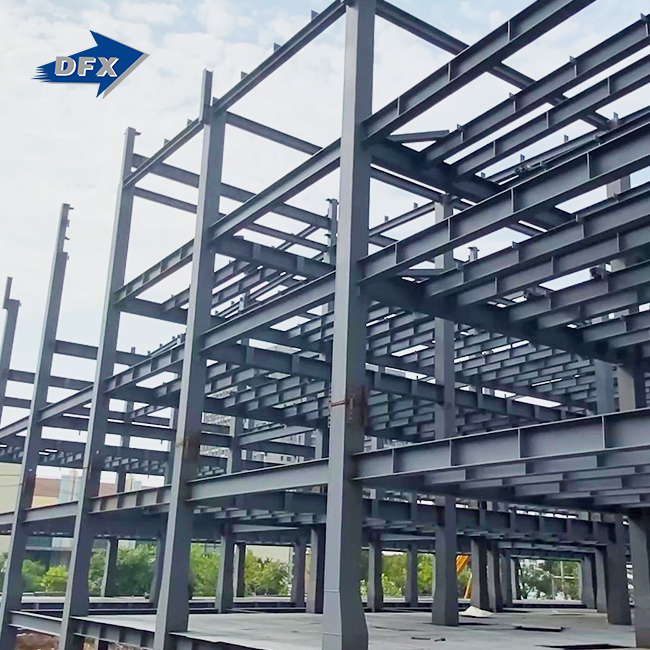
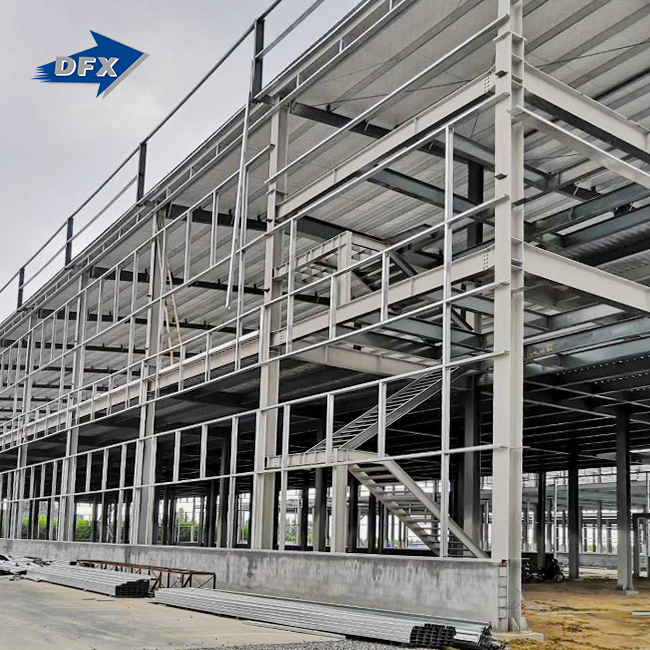
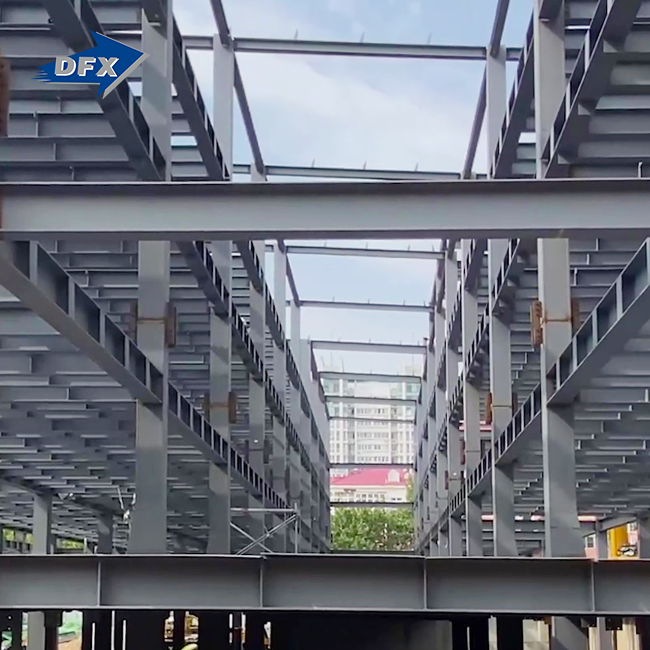
A large-span hangar is any clear-span building that is wider than 30 meters in the field of structural engineering. When it comes to inner clearance, hangars made for wide-body airplanes usually have 80 to over 100 meters. To do this without using intermediate columns, you need a rigid portal frame system that is carefully designed. These are generally made up of welded H-section steel main members, strengthened side bracing, and high-tensile anchor links that can handle both wind uplift and gravity loads.
Why Certification Changes the Risk Profile
Fabricators who aren't certified may use the same grades of materials on paper, but procurement managers are very vulnerable to liability if they don't have quality control processes that can be proven. AISC-certified hangars are built according to written weld procedure specifications (WPS), material test reports (MTR), and third-party inspection processes. All of these are very important for getting permits, getting insurance, and doing audits after the hangars are occupied.
Construction and Maintenance of Large-Span Steel Hangars
The best thing about modern steel aircraft building is that it can be prefabricated. By making the main frames, purlins, bracing, and cladding systems in a controlled facility instead of on-site, construction times can be cut by 30 to 50 percent compared to the usual way of doing things. Parts come to the job site already cut, drilled, and coded so they can be put together in the right order. This cuts down on work hours and the chance of mistakes by a huge amount.
Fire Resistance and Code Compliance
The aisc certified large-span steel structure hangar fire code, NFPA 409, and AISC standards work together to set fire resistance rates based on the maximum fuel capacity of an airplane. Around 550°C is when steel loses its structural yield strength. This is why Class I and Class II hangars must have passive fire protection. When applied to the surfaces of columns and beams, intumescent coatings provide fire ratings of 1 to 3 hours. These coatings expand when heated, effectively insulating the steel substrate.
Maintenance Practices That Extend Service Life
A steel container frame that is well taken care of usually lasts longer than 50 years. Inspections that happen once a year should include:
- Coating integrity checks: Checking the stability of the coating: Look for peeling, chalking, or rust bleed in epoxy or zinc-rich paint systems, especially where the paint meets the column base plates and the roof meets the wall, where water can build up.
- Bolt torque verification: In places with a lot of vibration, high-strength friction grip bolts at the main connections should be re-torque tested every five years.
- Roof drainage audits: Valley gutters collect a lot of water from large-span roofs. When drains get clogged, they cause loads to pool and exceed the design dead load values for many PEB systems.
The Metal Building Manufacturers Association (MBMA) says that investing in a planned preventive maintenance program can cut the cost of unplanned repairs by 40 percent over the course of 20 years.
Comparing AISC Certified vs. Non-Certified Large-Span Steel Hangars
The price at the start is often what separates qualified sellers from those who aren't. Fabricators who aren't qualified often offer 8 to 15 percent lower prices on the first contract value. However, when lifetime costs are estimated over 25 years, taking into account things like faster corrosion repair, structural repair after compliance failures, and differences in insurance premiums, certified buildings always show a lower total cost of ownership.
Here is a direct comparison of the main things that make them different:
- Material traceability: Sources that are AISC-certified keep full mill certificate records for each structural member. Suppliers who aren't certified rarely provide the same documentation, which leaves gaps in audits when the government or an aviation authority checks them.
- Weld quality assurance: Certified manufacturers hire CWI-qualified (Certified Welding Inspector) workers and keep records of NDT (non-destructive testing). This has a direct effect on how reliable the load capacity is when the ground is shaking or moving.
- Dimensional tolerance control: Controlling dimensional tolerances: If portal frame parts are made outside of certified tolerance bands, they need to be changed in the field during installation, which adds cost, time, and the chance that load transfer paths will not be lined up correctly.
These differences are most important when a project needs approval from an aviation authority, an insurance bond, or the ability to resell an asset in the future. In all of these cases, the accuracy of the paperwork has a direct financial impact.
How to Choose the Best Large-Span Steel Hangar for Your Business
To choose the right supplier and structural system, you need to look at a number of factors that affect each other. The structural design brief is based on the span needs, the live loads on the roof, the wind zone ratings, and the type of occupancy that is planned. When buying a 60-meter hangar near the water, the project manager needs to mention a different type of corrosion protection than when buying an industrial building on land.
Key Procurement Evaluation Criteria
Prior to sending out an RFQ, procurement teams should make sure that:
- Certification scope: Scope of certification: Make sure the fabricator has a current AISC certification that is appropriate to the building type. The AISC online directory at aisc.org can be used to check a supplier's certification status. In-house design capability: Suppliers who offer structural calculation, customized design, and fabrication all under one roof greatly reduce coordination risk and design-build interface conflicts.
- In-house design capability: Delivery and lead time promises: From the approval of the design, custom production for large-span frames usually has lead times of 8 to 14 weeks. Suppliers should give you a fabrication schedule with checkpoints at key points in the process.
- Delivery and lead time commitments: After-sales support: Installation instructions, on-site supervision, and warranty coverage terms are important ways to set your product apart, especially for projects that are bought overseas and the local erection contractors don't know how to use the system that was supplied.
- After-sales support: The most important procurement decision in this process is matching the skills of the seller to the difficulty of the project.
Matching supplier capability to project complexity is the single most important procurement judgment call in this process.
Case Studies and Industry Applications
A logistics firm in Southeast Asia has recently completed the construction of a 75-meter clear span repair aisc certified large-span steel structure hangar built using prefabricated welded H-section steel frames and a more powerful bracing system. The facility was delivered with a PVOC certificate, passed the initial assessment by the local airport authority, and was ready for use 14 months following contract signature, which was ~4 months earlier than the intended concrete alternative timeframe.
Large-span steel structures are increasingly used in agriculture as high-clearance storage facilities for large agricultural equipment. They are not built with columns within, so equipment may be moved about easily. One medium-sized agricultural firm in Queensland, Australia, reported a 35% reduction in equipment storage expenses while moving from leased warehouses to a prefabricated steel building certified for tropical cyclone wind loads.
Defense and military customers like movable steel hangars because they can be relocated. Some buildings, notably those constructed for bolt-together installation, can be transported without losing much structural integrity. That’s not something that concrete construction can accomplish. These real-world operations demonstrate that certified big-span steel hangar systems are both sturdy and simple to purchase even in a range of operating circumstances.
Conclusion
Choosing an aisc certified large-span steel structure hangar is a technical and commercial decision that will have enduring implications. Certification is not simply a formality; it is the assurance that each and every structural part, weld, and connection detail was fabricated with quality control in mind. Load dependability, regulatory acceptability, and life-cycle cost: certified steel hangars are always one step ahead of their uncertified competitors. They may be utilized for everything from aviation maintenance repair shops to industrial shelters and agricultural storage. For purchasing managers charged with controlling project risk, the certification status of a steel building supplier should be at the top of the list.
FAQ
1. What span range does a large-span steel hangar typically cover?
A lot of big steel hangars are built so that they can have clear lengths of 30 meters to 100 meters or more. The exact length depends on the type of plane or equipment being stored. Wide-body aircraft hangars usually need between 80 and 100 meters of clear space, while general aviation and equipment storage buildings usually only need 30 to 60 meters. The structure is designed to fit the span perfectly, with rigid portal frames that are based on the area's wind, snow, and earthquake load rules.
2. How long do fabrication and delivery take for a custom hangar?
Depending on the difficulty of the project and the number of orders, custom fabrication for large-span steel hangars usually takes 8 to 14 weeks after the plan is approved. Delivery times depend on where the package is going and how the logistics are set up.
3. Is an AISC-certified hangar accepted for aviation authority permitting?
When an aviation authority issues a permit, AISC certification makes the structural compliance documentation a lot stronger. Fabricators who are certified by the AISC make structures with full material tracking and weld inspection records. These are things that civil aviation officials usually need when they receive hangar approval requests.
Partner with DFX for Your Next Large-Span Steel Hangar Project
Since 2011, DFX (Qingdao Director Steel Structure Co., Ltd.) has built engineered steel structures for use in agriculture, industry, and aviation. As an aisc certified large-span steel structure hangar maker with a lot of experience, we offer structural calculations, custom designs, fabrication, and fitting advice that is certified by ISO9001, CE, COC, and PVOC. You can email our team at jason@bigdirector.com to get a quote that is just right for your project.
References
1. American Institute of Steel Construction (AISC). Steel Construction Manual, 16th Edition. AISC, 2023.
2. National Fire Protection Association. NFPA 409: Standard on Aircraft Hangars. NFPA, 2022.
3. Metal Building Manufacturers Association (MBMA). Metal Building Systems Manual. MBMA, 2023.
4. American Institute of Steel Construction. AISC 207-16: Standard for Steel Building Structures Certification Program. AISC, 2016.
5. Tamboli, Akbar R. Handbook of Structural Steel Connection Design and Details, 3rd Edition. McGraw-Hill Education, 2016.
6. International Code Council. International Building Code (IBC). ICC, 2021.
Learn about our latest products and discounts through SMS or email