- English
- French
- German
- Portuguese
- Spanish
- Russian
- Japanese
- Korean
- Arabic
- Greek
- German
- Turkish
- Italian
- Danish
- Romanian
- Indonesian
- Czech
- Afrikaans
- Swedish
- Polish
- Basque
- Catalan
- Esperanto
- Hindi
- Lao
- Albanian
- Amharic
- Armenian
- Azerbaijani
- Belarusian
- Bengali
- Bosnian
- Bulgarian
- Cebuano
- Chichewa
- Corsican
- Croatian
- Dutch
- Estonian
- Filipino
- Finnish
- Frisian
- Galician
- Georgian
- Gujarati
- Haitian
- Hausa
- Hawaiian
- Hebrew
- Hmong
- Hungarian
- Icelandic
- Igbo
- Javanese
- Kannada
- Kazakh
- Khmer
- Kurdish
- Kyrgyz
- Latin
- Latvian
- Lithuanian
- Luxembou..
- Macedonian
- Malagasy
- Malay
- Malayalam
- Maltese
- Maori
- Marathi
- Mongolian
- Burmese
- Nepali
- Norwegian
- Pashto
- Persian
- Punjabi
- Serbian
- Sesotho
- Sinhala
- Slovak
- Slovenian
- Somali
- Samoan
- Scots Gaelic
- Shona
- Sindhi
- Sundanese
- Swahili
- Tajik
- Tamil
- Telugu
- Thai
- Ukrainian
- Urdu
- Uzbek
- Vietnamese
- Welsh
- Xhosa
- Yiddish
- Yoruba
- Zulu
Steel Horse Barn Maintenance: A Practical Guide
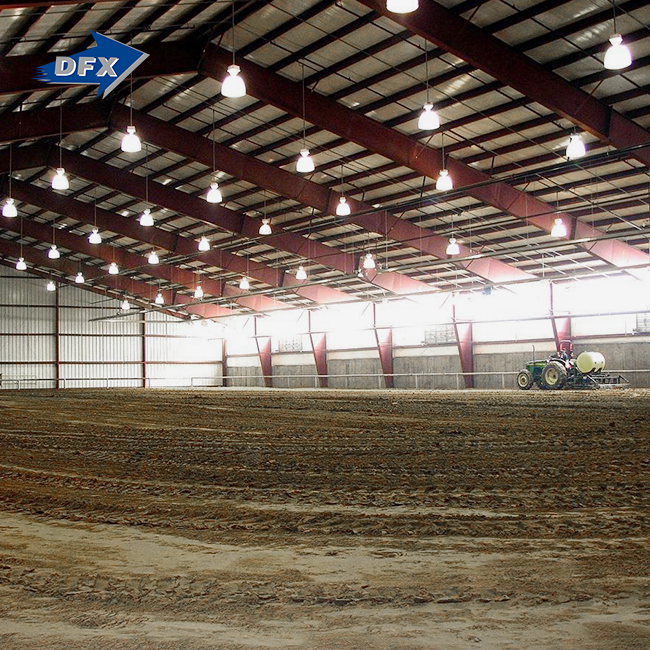
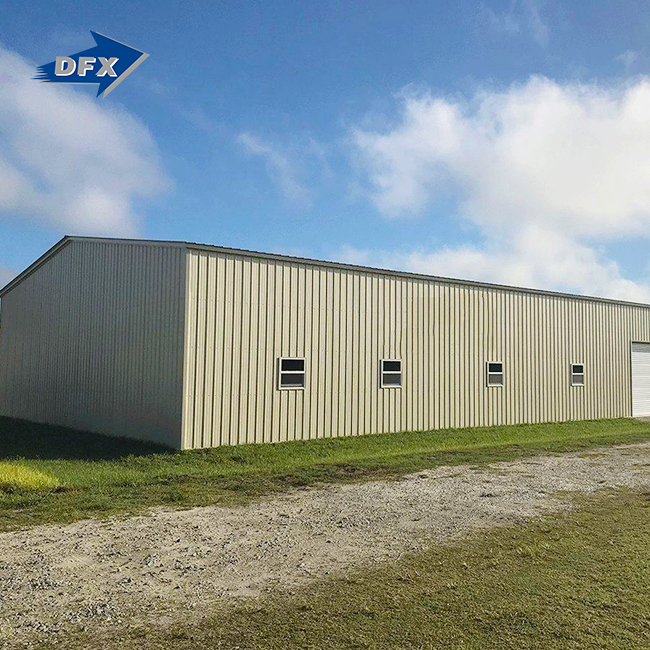
Owning a steel horse barn is one of the smartest long-term investments you can make for an equine facility. These welded steel frame structures resist fire, rot, and pest damage far better than wood. But even the toughest metal building needs regular attention to stay safe and functional. In this guide, I walk through the core maintenance practices every farm owner, procurement manager, or facility engineer should know — so your barn keeps performing for decades.

Understanding Steel Horse Barn Maintenance: Key Concepts and Benefits
Why Maintenance Matters for Metal Equine Structures
Strong steel frames and G90 galvanized siding can make a horse barn last 40 years or more, but only if it is well taken care of. If you don't do checks, small oxidation on the surface can turn into solid rust. If you don't fix water problems, your base will wear away. Regular upkeep keeps your horse safe all year and protects your investment.
Common Challenges in Steel Barn Upkeep
Most of the time, metal horse barns have three problems: corrosion at the panel joints, insulation that breaks down from moisture, and ridge airflow that gets stopped. Ammonia, which is found in horse pee, slowly breaks down normal paint systems. Structures that don't have Kynar 500 or SMP resin coats are especially at risk. When buying, teams know about these risks; they can choose the right products from the start.
Long-Term Value of Routine Inspections
For a steel horse barn, the American Institute of Steel Construction says that regular checks can cut the cost of unplanned repairs by up to 30% over the life of a building. For agricultural sites that take care of a lot of animals, that savings is important. Maintenance records also help with insurance claims and raise the value of an item that is being sold, which are both useful benefits that procurement managers and farm owners like.
Comprehensive Maintenance Checklist for Steel Horse Barns
A strict routine is the most important part of any maintenance plan that works. This list goes over the four most important parts of a metal barn building.
Structural and Foundation Inspection
Walk around the outside every six months. Look for cracks in the concrete slab near the base plates and see if the support bolts are coming loose. Also, look for paint blistering on joints that have been welded together. This is an early sign of rust under the coating. Someone with the right tools should look at any bending in the walls or rafters right away. As per the AWS D1.1 structural welding standards, the quality of the weld should be checked every year as part of another review.
Roof, Drainage, and Ventilation System Upkeep
Twice a year, clear out your gutters and downspouts. This is especially important after the leaves fall in the fall. That way, horses can keep getting the oxygen they need. Ridge vents and corner louvres should not be blocked. Check to see if the bolts on 26-gauge or 29-gauge roof panels are back out. Loose screws can let water in, which can make panels shake. Get rid of any worn rubber washers right away to keep the seal.
Insulation and Climate Resilience Monitoring
Once a year, check the fibreglass batt insulation under the roof panels to see if it has sagged or taken in water. You should check to see if the DripStop anticondensation fleece is wet or coming off the panel surface where it was put. The R-value of closed-cell spray foam stays the same over time, and microbes can't grow in it. This is great in places with a lot of humidity or near the coast where fog is common.
Cleaning and Pest Control for Steel Structures
When dirt builds up in the ribs of steel panels, water stays on the surface. Mould can't grow on steel panels like it can on wood. When you pressure wash the outside of your skin once a year, you get rid of dead skin cells and can see early signs of damage to the coating. The steel kick walls and stall covers inside the barn should be cleaned with ammonia-free cleaners. Rats and mice will still nest in insulation, but termites can't eat steel framing as they can wood. Seal the base trim to keep them out.
Every so often, checking these four areas gives people in charge of the barn a good idea of how it's doing and stops small problems from getting worse and costing a lot to fix.
Cost-Effective Maintenance Strategies and Procurement Insights
Keeping track of the budget is very important for both construction companies and farmers. The costs of maintaining a steel barn are usually low, but if you buy things wisely, they are even lower.
Typical Maintenance Cost Benchmarks
According to figures from the industry, the cost of yearly upkeep for a metal horse facility is between 1% and 2% of the cost of building it in the first place. That's about $1,200 to $2,400 a year for a $120,000 steel horse barn, which is a lot less than the 3% to 5% that most wood-frame buildings need. A big part of that price is for things like touch-up paint, new fasteners, and drain cleaning, which can all be done by someone in your own home.
Sourcing Durable Replacement Parts
When you buy new insulation, walls, or screws, make sure they match the original specifications. When you mix G60 and G90 galvanized parts, you get galvanic inconsistency, which speeds up corrosion at joints. Talk to the company that made or supplied the steel horse barn you already have to find parts that are the same ASTM standard as the original build. This method keeps the warranty valid and makes sure that all the materials used in the structure are compatible.
Professional Services vs. In-House Maintenance
Routine tasks like cleaning, clearing gutters, and checking fasteners can be done by trained staff who work on-site. But qualified workers are needed for structural weld repairs, re-roofing, and foundation repair. Hiring professionals to do these jobs saves you from liability and makes sure you meet the standards of ISO9001. This is important for businesses that serve controlled markets or have agricultural certifications. Plan for one professional check a year in addition to the ones you do yourself.
Practical Design Tips to Ease Future Maintenance
The design choices made during the buying process have a direct effect on how easy and cheap it is to keep the barn over its lifetime.
Ventilation and Insulation System Selection
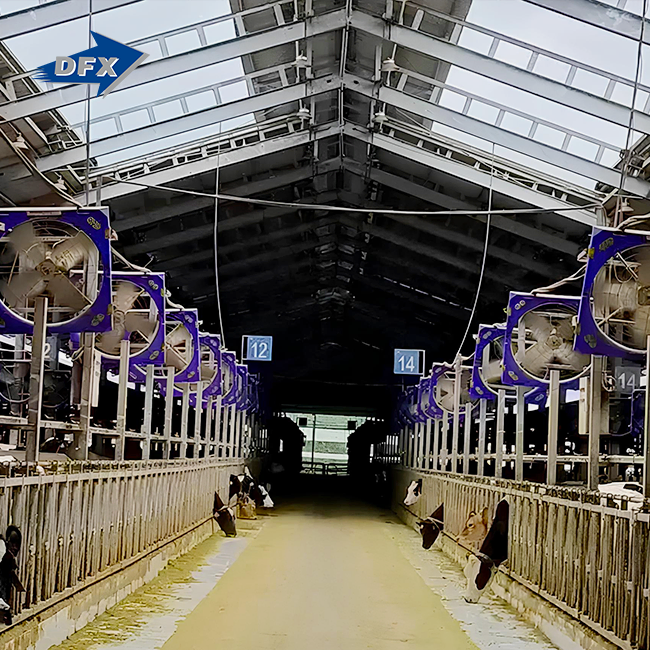
When you combine ridge vent systems with continuous soffit vents, you get passive airflow that lowers the humidity inside without using any mechanical equipment. Choosing an extra-insulated wall system during the building process, like a sandwich panel with a steel skin, makes managing humidity a lot easier in the long run. These methods also help horses keep their bodies at the right temperature in both hot and cold weather.
Prefab vs. Custom Steel Barn Designs
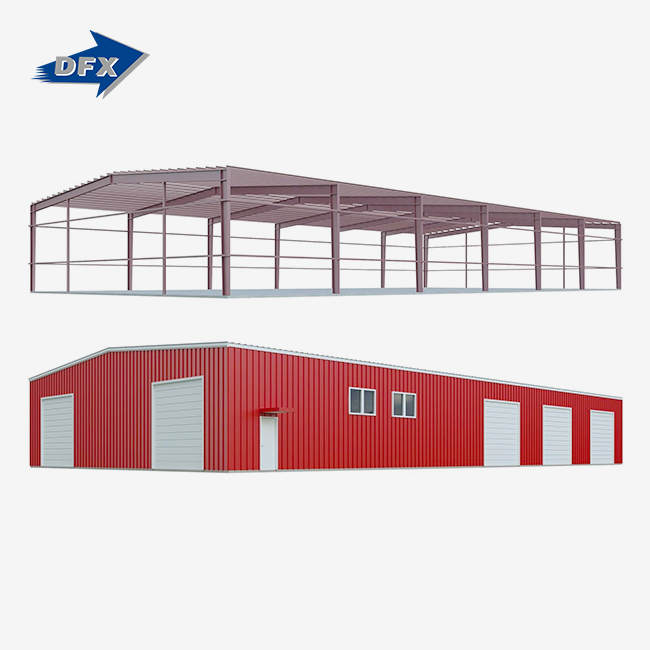
Standardized parts are used in prefabricated steel barn kits, which makes it easy to find replacement parts years after the kits were put together. Custom designs give you more freedom with the style, but they might use special features that make it harder to get them in the future. Large businesses that are in charge of multiple sites can save time and money by using prefab choices from a well-known steel horse barn manufacturer. Director Steel offers unique design, fabrication, and installation services. This gives customers the freedom of choosing their own layouts while also getting reliable supply chain support from a well-known producer.
Roof Type and Foundation System Considerations
In cold places, an ice dam is less likely to form because a symmetrical gable roof sheds water and snow more reliably than a single-slope design. Raised concrete perimeter foundations keep base plates above grade, which keeps water from pooling where it can cause the most damage to the structure. These options don't cost much more up front, but they cut down on the number of long-term interventions needed by a large amount.
Troubleshooting Common Issues and DIY Maintenance Tips
If you find problems early, you can avoid downtime and high costs. I see these problems a lot in metal horse buildings. Here's what you can do to fix them.
Identifying and Treating Early-Stage Corrosion
For a steel horse barn, surface rust on outside panels usually shows up as a reddish-brown spot around screws or where panels meet. Use a wire brush to clean the damaged areas, then put on a zinc-rich base and finish with a paint system that fits the original coating's requirements. Regular house paint won't work in a horse setting because it's not resistant to UV light and ammonia. If the rust has gone through to the steel underneath, you should replace the panel section instead of painting over it.
Fixing Ventilation Blockages
When ridge vents get blocked, ammonia builds up at horse stall level. This is bad for animals' lungs and speeds up the rusting of inner surfaces. Clean out the air holes of any dirt and make sure the baffles are facing the right way. If clearing the area doesn't improve airflow, look at the original barn plans to make sure the vent area meets the floor space ratio suggested in the ASABE EP270 ventilation standards for equine facilities.
Knowing When to Call a Professional
Touch-ups to the surface coating, replacing fasteners, cleaning out the gutters, and fixing small panel dents are all things that you can do yourself. However, if you see shifting column base plates, sagging rafters, or large areas of roof panels coming apart, these are signs of structural problems that need to be looked at by a licensed structural engineer. It is dangerous to try to weld or reframe load-bearing sections without engineering supervision, and the manufacturer's structural guarantee may not cover the work.
Conclusion
For a steel horse barn, a metal horse barn doesn't need constant work, but it does need to be maintained regularly. A facility that lasts for a long time needs to be inspected twice a year, have its surface coating fixed quickly, have its ventilation systems clear, and have its drainage channels clean. Steel structures are better than wood because they don't rot, aren't attacked by termites, and have a Class A fire rating. However, these benefits only last as long as the protective layer and structural links are kept in good shape. Make a written plan and take care of small problems before they get worse, and your barn will be ready for horses and operations for many generations.
FAQ
Q1: How often should I inspect my steel horse barn?
Every six months, I suggest a full walk-through inspection, and once a year, I suggest a more in-depth structure check. No matter what time it is, check the roof panels, support bolts, and drip system visually right away after bad weather like heavy snowfall or high winds.
Q2: What roofing material performs best across different climates?
26-gauge steel panels that have been galvalume-coated and painted with an SMP or Kynar system work well in humid, coastal, and high-UV places. If you live in an alpine area that gets a lot of snow, pick a lower-pitch roof profile that meets IBC standards for ground snow loads in your area.
Q3: When should I use professional services instead of doing it myself?
Do regular tasks in-house, like cleaning the inside, painting over small flaws, tightening screws, and clearing out the gutters. If you need to fix the structure, replace the roof, work on the base, or make any changes that change the building's load path, you should call a qualified contractor. Getting help from a professional saves both safety and guarantee coverage.
Q4: Does a steel structure require different pest control than a wood barn?
Steel completely gets rid of the risk of termites and wood rot. Focus your efforts to get rid of pests on mice that like to nest in holes in insulation. The best ways to keep metal horse barns safe are to seal the base trim and fill the gaps around utility entrances with foam.
Partner with DFX for Your Steel Horse Barn Project
Since 2011, DFX (Qingdao Director Steel Structure Co., Ltd.) has been making and selling steel horse barns. Each structure has ISO9001, CE, COC, and PVOC approval to back it up. Our welded steel frame buildings are made for horse farms, training centers, and breeding facilities all over the world. You can choose to have insulated wall systems added if you want to. Send us an email at jason@bigdirector.com to get a price from a reputable steel horse barn maker.
References
1. American Institute of Steel Construction (AISC). Steel Construction Manual, 16th Edition. 2023.
2. American Welding Society (AWS). Structural Welding Code — Steel: AWS D1.1/D1.1M. 2020.
3. American Society of Agricultural and Biological Engineers (ASABE). EP270.5: Design of Ventilation Systems for Poultry and Livestock Structures. 2012.
4. ASTM International. ASTM B117: Standard Practice for Operating Salt Spray (Fog) Apparatus. 2019.
5. International Building Code (IBC). 2021 International Building Code. International Code Council, 2020.
6. Midwest Plan Service (MWPS). Horse Handbook: Housing and Equipment, MWPS-15. Iowa State University, 1971, revised 2005.
Learn about our latest products and discounts through SMS or email