- English
- French
- German
- Portuguese
- Spanish
- Russian
- Japanese
- Korean
- Arabic
- Greek
- German
- Turkish
- Italian
- Danish
- Romanian
- Indonesian
- Czech
- Afrikaans
- Swedish
- Polish
- Basque
- Catalan
- Esperanto
- Hindi
- Lao
- Albanian
- Amharic
- Armenian
- Azerbaijani
- Belarusian
- Bengali
- Bosnian
- Bulgarian
- Cebuano
- Chichewa
- Corsican
- Croatian
- Dutch
- Estonian
- Filipino
- Finnish
- Frisian
- Galician
- Georgian
- Gujarati
- Haitian
- Hausa
- Hawaiian
- Hebrew
- Hmong
- Hungarian
- Icelandic
- Igbo
- Javanese
- Kannada
- Kazakh
- Khmer
- Kurdish
- Kyrgyz
- Latin
- Latvian
- Lithuanian
- Luxembou..
- Macedonian
- Malagasy
- Malay
- Malayalam
- Maltese
- Maori
- Marathi
- Mongolian
- Burmese
- Nepali
- Norwegian
- Pashto
- Persian
- Punjabi
- Serbian
- Sesotho
- Sinhala
- Slovak
- Slovenian
- Somali
- Samoan
- Scots Gaelic
- Shona
- Sindhi
- Sundanese
- Swahili
- Tajik
- Tamil
- Telugu
- Thai
- Ukrainian
- Urdu
- Uzbek
- Vietnamese
- Welsh
- Xhosa
- Yiddish
- Yoruba
- Zulu
How Can an Inland Fishery Steel Shed Reduce Operating Costs?
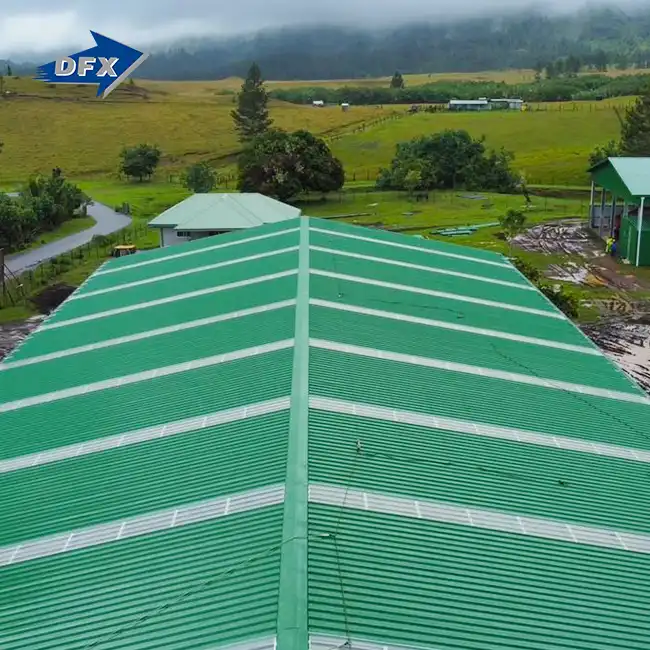
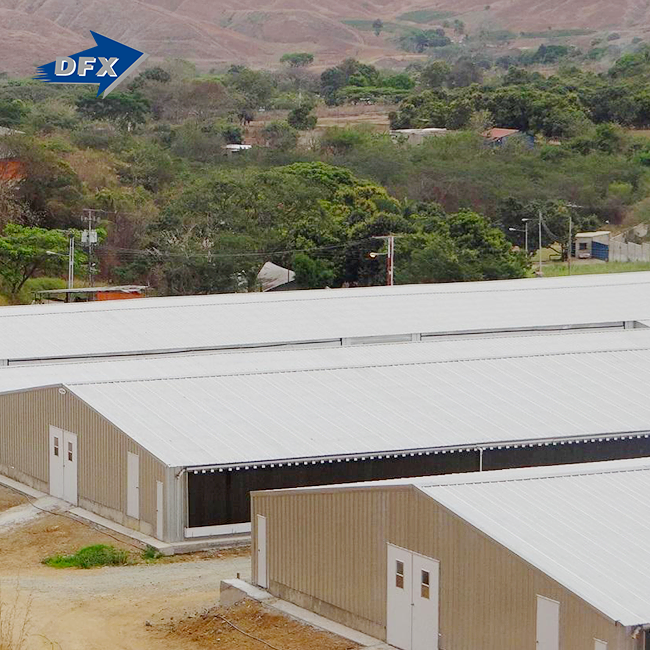
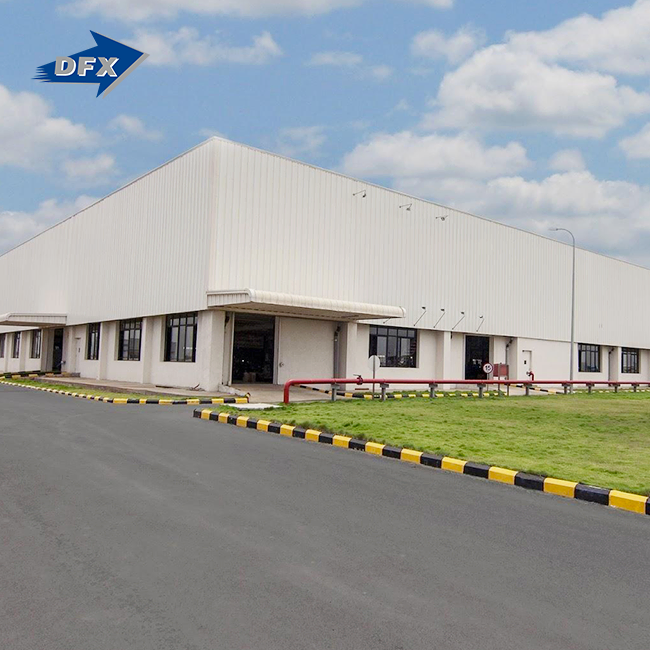
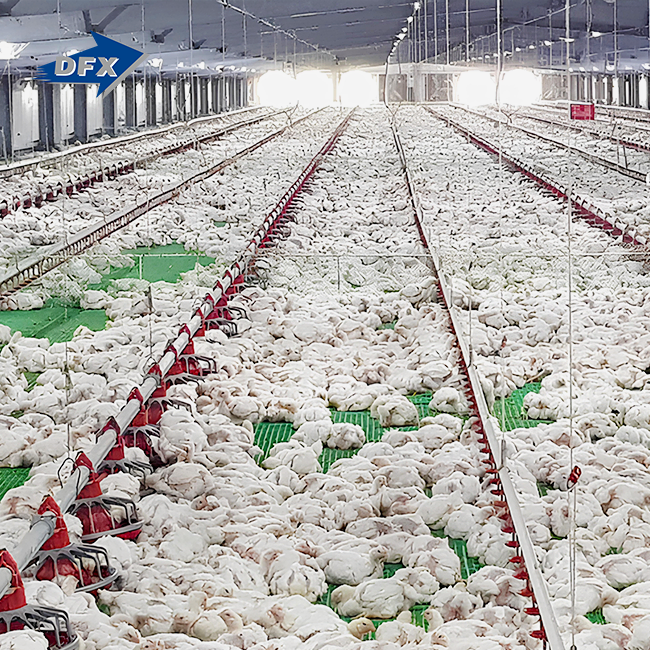
An inland fishery steel shed is a pre-engineered steel structure built to house aquaculture systems such as Recirculating Aquaculture Systems (RAS), hatcheries, and broodstock facilities. By using high-strength steel frames with anti-corrosion treatments — including hot-dip galvanization and epoxy coatings — these structures address the deterioration problems common in wood or concrete buildings exposed to high humidity and ammonia off-gassing. The result is a facility that costs less to maintain, consumes less energy, and lasts significantly longer, giving fishery operators a measurable reduction in total operating expenditure over the building's lifecycle.

Understanding Inland Fishery Steel Sheds and Their Cost-Reduction Potential
What Makes These Structures Different from Standard Agricultural Buildings
Continuous wetness, ammonia gas, and biological waste are produced in aquaculture habitats. These conditions will destroy standard building materials within years. A steel aquaculture building designed for these conditions uses high-tensile steel Q355B or A572 Gr.50 along with surface treatments that are ISO 12944 C3/C4-rated. This mix is much more resistant to chemical attack than wood that hasn't been treated or regular painted steel.
The Role of Wide Clear-Span Design
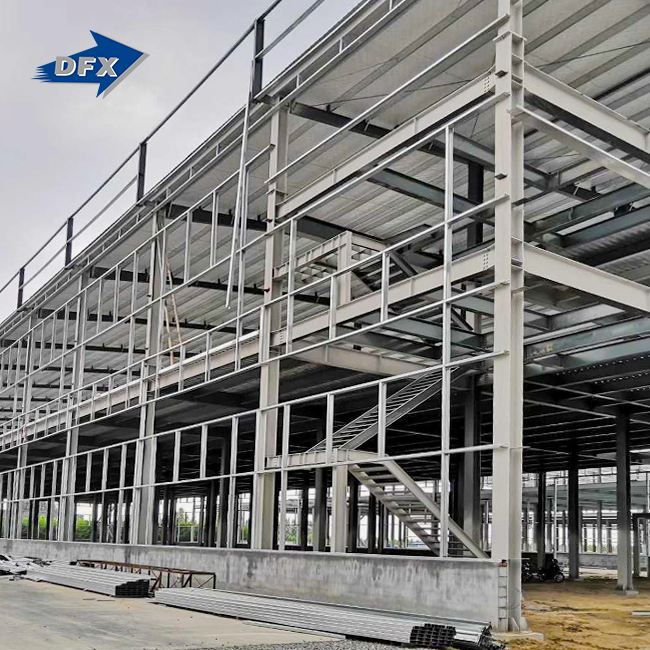
Column-free spaces that range from 12 m to 60 m let workers set up circular rearing tanks that are usually 6 m to 10 m in diameter without any structural problems. Taking out the interior columns immediately cuts down on wasted floor space and speeds up work, which means that less labor is needed to make the same amount of fish.
Insulation as a Built-In Cost Control Tool
Sandwich plates made of polyurethane (PU) or polyisocyanurate (PIR) that are 50 mm to 100 mm thick keep room temperatures fixed and lower the need for HVAC energy. AC and heating engineers from the American Society of Heating, Refrigerating, and Air-Conditioning Engineers (ASHRAE) say that good building insulation can save up to 30% on cooling and heating bills. That's a big savings for a RAS center that runs pumps and temperature control all the time.
Analyzing the Factors That Drive Operating Costs in Inland Fishery Facilities
Construction and Initial Infrastructure Expenses
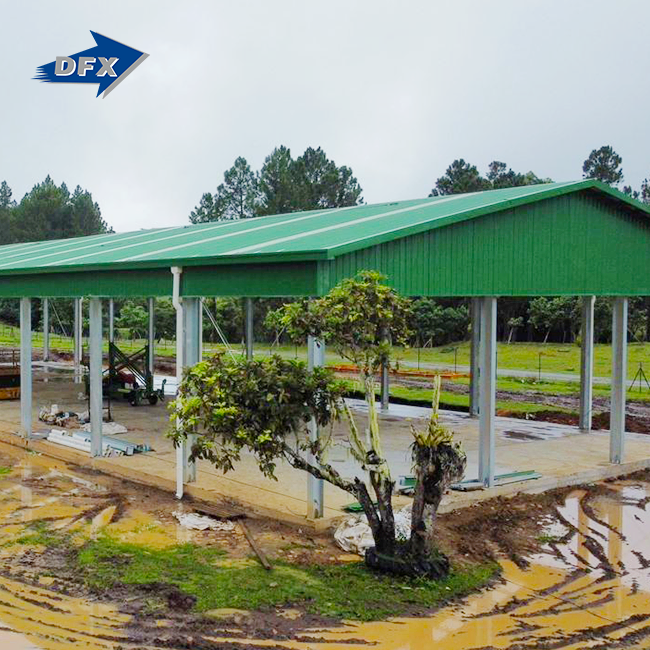
Traditional houses made of concrete or wood take longer to build and need more work done on-site. Delays make it more expensive to finance the project and push back the date when the building starts making money. When compared to traditional building methods, prefabricated steel parts come at the job site ready to be put together, cutting installation time by 30% to 50%.
Maintenance and Repair Frequency
Wood breaks down. The plastic bends. Repeated freeze-thaw cycles cause cracks in concrete. Each of these types of failure leads to repair costs that rise over time. The U.S. Department of Agriculture (USDA) says that building upkeep costs 10% to 15% of the yearly costs of running farms and aquaculture businesses. An inland fishery steel shed that is safe from corrosion makes that ongoing load a lot lighter.
Energy and Environmental Compliance Costs
The EPA has rules about how indoor fish farms in the U.S. can discharge water and keep the air clean. Compliance costs can be predicted by building designs that make it easier to control air and condensation. Unstable water temperatures are another effect of poor insulation. This is bad for fish stocks because it lowers feed conversion ratios (FCR) and raises feed costs, which are one of the highest variable costs in any fishing business.
How Inland Fishery Steel Sheds Reduce Operating Costs — From Design to Maintenance
When you use an inland fishery steel shed for aquaculture houses, you can save money on many parts of a project. These are the main things that make a difference:
- Prefabrication cuts down on work time. Parts are made in a plant with quality controls, and they come labeled and ready to be put together. On-site assembly needs fewer skilled workers and less time spent supervising, which means that labor costs are cut by a clear amount.
- Anti-condensation systems stop the loss of contamination. The "indoor rain" that comes from roof sheets dripping into open tanks can't happen because of insulated sandwich panels and vapor barrier facings. Whole batches of stock can be destroyed by contamination events, so stopping them directly protects revenue.
- Overhead crane beams with a capacity of 2–5 tons help maintain equipment. Inbuilt lifting infrastructure means that you don't have to hire mobile cranes to service filters, oxygen cones, and feed systems on a regular basis. This saves you money on the cost of hiring a third-party service provider.
- Coatings that don't rust make things last longer than 25 years. With AZ150 Galvalume siding and a galvanized frame that is kept up to ASTM A123 standards (minimum 85-micron zinc thickness), the building will need few paint jobs and structural fixes over its lifetime.
These choices about design don't just cut costs once; they cut the total cost of ownership every year.
Comparative Analysis: Steel Sheds vs. Other Materials for Inland Fishery
Steel vs. Wood for Aquaculture Buildings
Framing made of wood soaks up water and can be damaged by fungi and bugs. Untreated wood breaks down in 5 to 10 years in a high-humidity fishery where relative humidity regularly exceeds 80%. Over the course of 25 years, the costs of replacement and repairs are much higher than the higher initial cost of an inland fishery steel shed.
Steel vs. Plastic or Fiberglass Panel Structures
Prefabricated plastic structures are cheaper at first, but they can't hold big things like HVAC units, overhead crane beams, or heavy pipes. They also break down when exposed to UV light and chemicals. Plastic framing just doesn't give a commercial-scale RAS system the structural margin it needs for safe, long-term use.
Prefabricated Steel vs. Site-Built Concrete
Concrete is strong, but it takes a long time to build, is hard to change, and is heavy, so it needs expensive supports. As production grows, modular steel buildings can be made bigger by adding bays without tearing down the old structure. Because it can be expanded, owners don't have to build extra capacity up front, which lowers the original capital cost.
Procurement and Supplier Selection: Ensuring Quality and Value
Picking the right inland fishery steel shed provider affects not only the cost of the building but also how well it works in the long run. Before sending out a buy order, procurement managers should make sure of the following.
Quality marks are important. A seller with CE, ISO 9001, and COC certifications has shown that the way it makes things meets standards that have been checked by other countries. Checking the quality of the welds at the main structural connections with Ultrasonic Testing (UT) or Magnetic Particle Testing (MT) stops failures in the field that would need expensive repairs otherwise.
Support after the sale is just as important. Engineering design, manufacturing paperwork, and erection help from the seller all lower the chance of mistakes being made during installation that hurt the structure's performance. When suppliers offer full project packages, including design and delivery, buying teams only have to deal with one supplier. This makes managing contracts and resolving disputes easier.
Future Outlook: Innovations Driving Further Cost Reductions
How Can Solar Panels Reduce Fishery Building Energy Costs?
Photovoltaic panels can be mounted on an inland fishery steel shed roof system without having to change the structure. A 1,000 m² fishery building with solar panels can offset a good chunk of the electricity used by water pumps and climate control gear, lowering the cost of energy from the grid every year.
How Can Smart Sensors Prevent Costly Fishery Facility Repairs?
In real time, sensor networks built into the building shell keep track of temperature, humidity, and structural loads. Facility managers can fix small problems with predictive maintenance alerts before they become big problems that need expensive repairs. This keeps downtime low and production schedules on track.
Can Zinc-Aluminum-Magnesium Coatings Improve Corrosion Resistance?
In salt spray resistance tests (ASTM B117), new zinc-aluminum-magnesium alloy coats now do better than regular galvanization, protecting against damage for more than 2,000 hours. This new technology makes roof and wall cladding last a lot longer in brackish-water indoor farming, where chloride attack is a real risk.
Conclusion
When you switch from traditional building materials to an inland fishery steel shed, you can see that the costs of upkeep, energy, and construction all go down. Because it doesn't rust, has insulated panels, a wide clear-span design, and can be expanded in modules, steel is the most cost-effective long-term choice for inland fishing sites. When procurement managers look at the total cost of ownership, not just the purchase price, steel buildings always give a better return on investment than options made of wood, plastic, or concrete built on-site.
FAQ
Q1: How long does an inland fishery steel shed typically last?
The structure can last longer than 25–30 years if the surface is properly treated with things like AZ150 Galvalume cladding and ASTM A123-compliant galvanized structural framing. This is true even in aquaculture environments with a lot of humidity.
Q2: Can the structure support heavy hanging equipment like feed systems and water pipes?
Yes, structural estimates take into account the extra weight of equipment that is hung. There are special mounting clamps and strengthened flanges on the rafters that can hold loads of 20 kg/m² or more, based on the needs of the project.
Q3: How does the shed handle condensation that could contaminate fish tanks?
Insulated sandwich panels keep the top and walls from getting condensation on the outside. For areas that aren't protected, anti-condensation fleece strips keep water in and help control evaporation, which keeps drops from falling into open tanks.
Q4: Is customization available for different production scales?
Yes. With modular bay additions, the building's size can grow as production does, without stopping what's already being done. Clear-span widths range from 12 m to 60 m, so they can fit everything from small hatcheries to huge RAS complexes.
Get a Quote on Your Steel Aquaculture Building from DFX
Since 2011, DFX (Qingdao Director Steel Structure Co., Ltd.) has built and supplied steel structures for business projects in a wide range of industries. With CE, ISO, COC, and PVOC certifications to back us up, we are a verified inland fishery steel shed seller who can do engineering design, steel manufacturing, and installation guidance all under one contract. To get a cost estimate for your specific project, email our technical team at jason@bigdirector.com. When someone asks for help, our team gives them a full plan.
References
1. American Society of Heating, Refrigerating and Air-Conditioning Engineers (ASHRAE). ASHRAE Handbook — Fundamentals. ASHRAE, 2021.
2. U.S. Department of Agriculture (USDA). Agricultural Building Maintenance Cost Guidelines. USDA Rural Development, 2020.
3. ASTM International. ASTM A123: Standard Specification for Zinc (Hot-Dip Galvanized) Coatings on Iron and Steel Products. ASTM International, 2017.
4. ASTM International. ASTM B117: Standard Practice for Operating Salt Spray (Fog) Apparatus. ASTM International, 2019.
5. Food and Agriculture Organization of the United Nations (FAO). The State of World Fisheries and Aquaculture 2022. FAO, 2022.
6. ISO. ISO 12944: Paints and Varnishes — Corrosion Protection of Steel Structures by Protective Paint Systems. International Organization for Standardization, 2018.
Learn about our latest products and discounts through SMS or email