- English
- French
- German
- Portuguese
- Spanish
- Russian
- Japanese
- Korean
- Arabic
- Greek
- German
- Turkish
- Italian
- Danish
- Romanian
- Indonesian
- Czech
- Afrikaans
- Swedish
- Polish
- Basque
- Catalan
- Esperanto
- Hindi
- Lao
- Albanian
- Amharic
- Armenian
- Azerbaijani
- Belarusian
- Bengali
- Bosnian
- Bulgarian
- Cebuano
- Chichewa
- Corsican
- Croatian
- Dutch
- Estonian
- Filipino
- Finnish
- Frisian
- Galician
- Georgian
- Gujarati
- Haitian
- Hausa
- Hawaiian
- Hebrew
- Hmong
- Hungarian
- Icelandic
- Igbo
- Javanese
- Kannada
- Kazakh
- Khmer
- Kurdish
- Kyrgyz
- Latin
- Latvian
- Lithuanian
- Luxembou..
- Macedonian
- Malagasy
- Malay
- Malayalam
- Maltese
- Maori
- Marathi
- Mongolian
- Burmese
- Nepali
- Norwegian
- Pashto
- Persian
- Punjabi
- Serbian
- Sesotho
- Sinhala
- Slovak
- Slovenian
- Somali
- Samoan
- Scots Gaelic
- Shona
- Sindhi
- Sundanese
- Swahili
- Tajik
- Tamil
- Telugu
- Thai
- Ukrainian
- Urdu
- Uzbek
- Vietnamese
- Welsh
- Xhosa
- Yiddish
- Yoruba
- Zulu
Industrial Fuel Storage Shed vs Tank: Which Option Fits Best for You?
An industrial fuel storage shed is just what you need if your fuel equipment is situated outside, at a remote or temporary site, or somewhere that demands security and protection from the elements. A single tank works best if your facility already has containment, fire protection, drainage, and restricted access. I regard these two as partners, not adversaries, because a tank contains fuel, and a shed protects the tank, pumps, and dispensing equipment. The proper mix depends on your fuel type, amount, site, and municipal laws. This guide explains each factor in simple language.

Industrial Fuel Storage Shed vs Tank: Key Differences at a Glance
What Each Option Does
A tank's only use is to contain fuel. The building in which it is housed is called a shed. Pumps, filters, meters, valves, and lines are out of reach for people in the rain, snow, or sun. There is a shed around the tank that makes it safe. The fuel is stored in the shed. To me, this is just a theme choice. It is not a game. More importantly, make sure the location is safe enough without the shed.
Cost Beyond the Purchase Price
Most of the time it looks better to get a price for only the tank. Then all the other stuff. Foundations. Fencing. Drainage. Fire safety. Inspections. The lot. The three sets are different from each other in numerous ways. There are three varieties: tank only, shed only, and tank in shed. The weather protection levels are low, high and moderate. The equipment protection categories are: low, moderate, and high. The site is still undergoing some maintenance. The levels of the expansion room are planned, modest, and flexible.
| Feature | Tank only | Shed only | Tank-in-shed |
|---|---|---|---|
| Weather protection | Low | High | Moderate |
| Equipment protection | Low | High | Moderate |
| Site work needed | More | Moderate | Moderate |
| Expansion room | Flexible | Moderate | Planned |
The table shows that the price of the deal and the cost of the job don't always match up.
Site Conditions That Decide the Question
A plan with only a tank usually works best in a set place with walls and other obstacles. Some places that don't need to be closed off, are temporary, or are open to the public are farms, mines, and building yards. It also matters what the weather is like. Each shed has to deal with snow and wind. ASCE 7-22 is a standard in the US that says how much weight buildings and other things must be able to hold. The loads will be stored in the shed that was made just for your site, but the pumps and controls will be in the open tank yard.
When Each Option Fits Best?
When a Standalone Tank Is Enough?
A stand-alone tank works well when the site has something that the tank doesn't have. That means a good base, enough space between things, fire safety, drainage, controls for spills, and a yard with a gate. Then the best way to save money, make good use of space, and choose the right tank size is to store only the tank. Since there is nothing around the tank, it's easy to keep up with it. But it's clear what the rules are. Bad weather, car damage, theft, and damage to pumps or electrical parts are all things that could go wrong. I tell people who buy tanks to make sure that the local government accepts the whole construction, not just the tank.
When an Industrial Fuel Storage Shed Is the Better Choice?
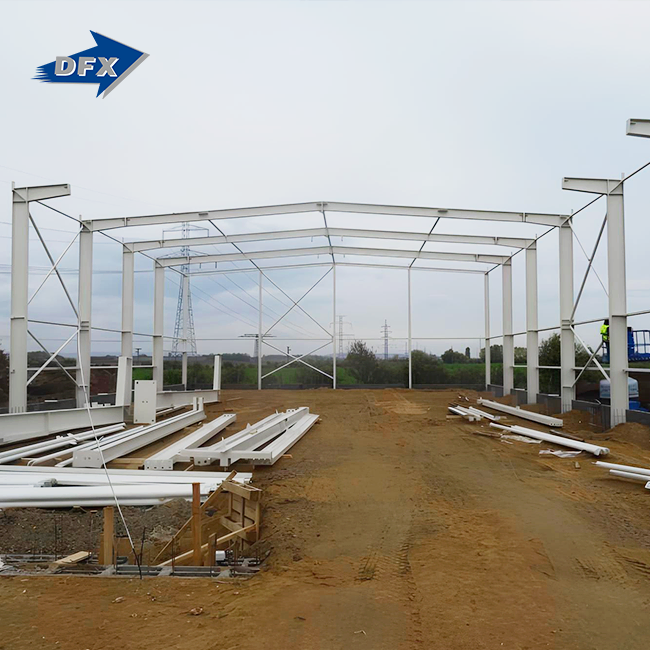
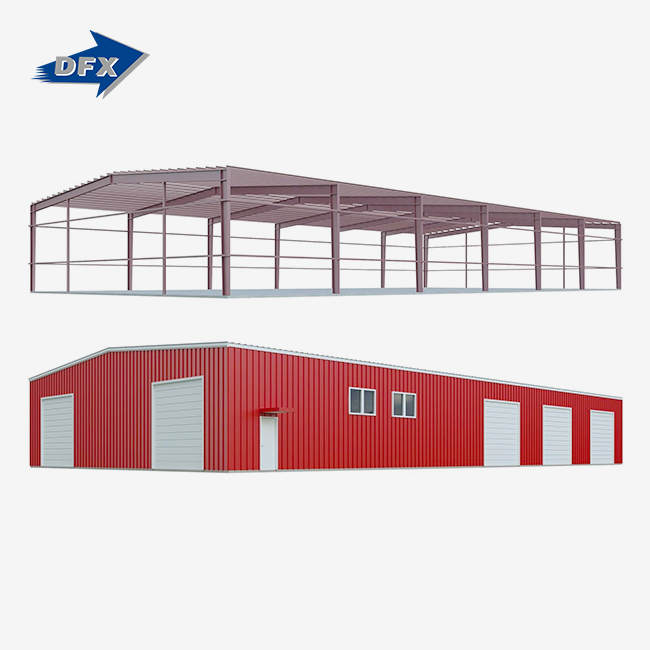
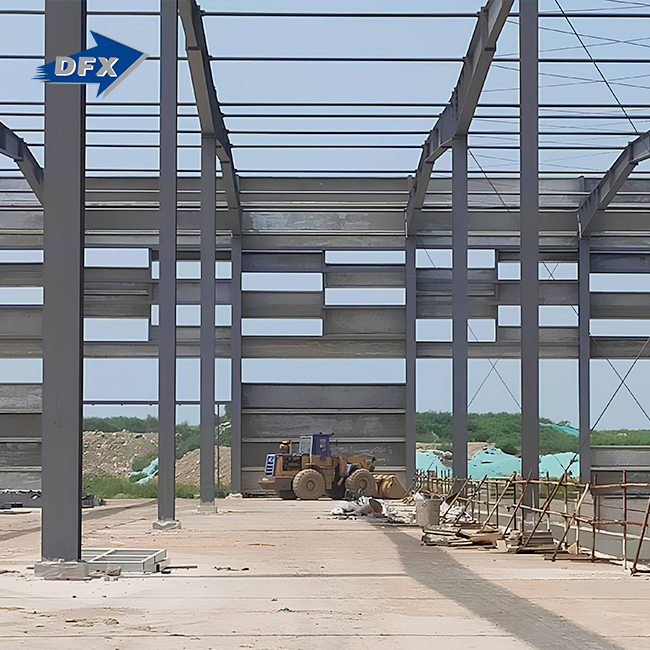
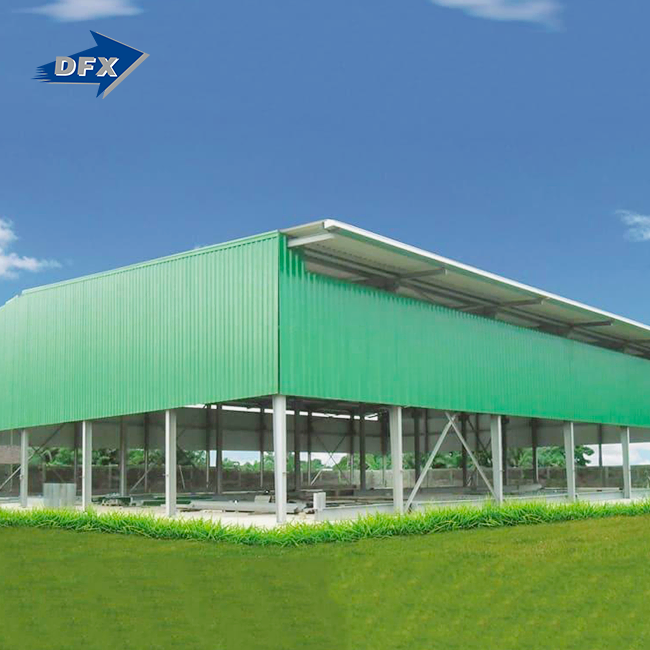
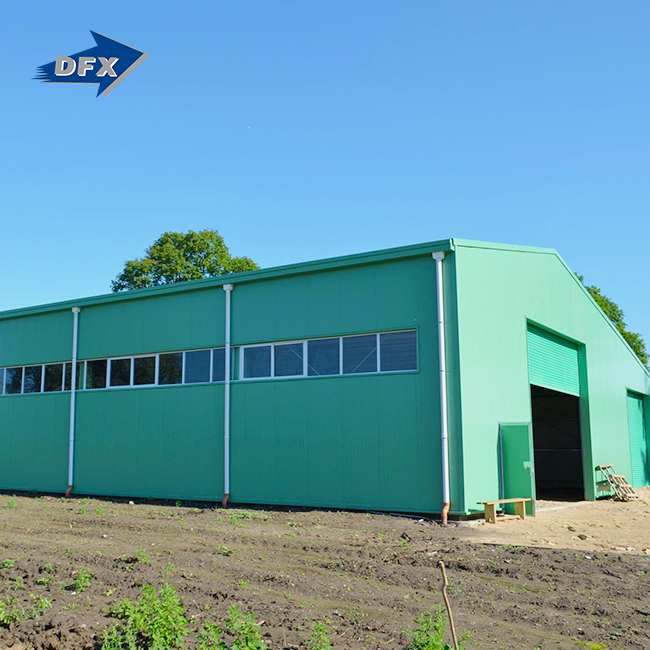
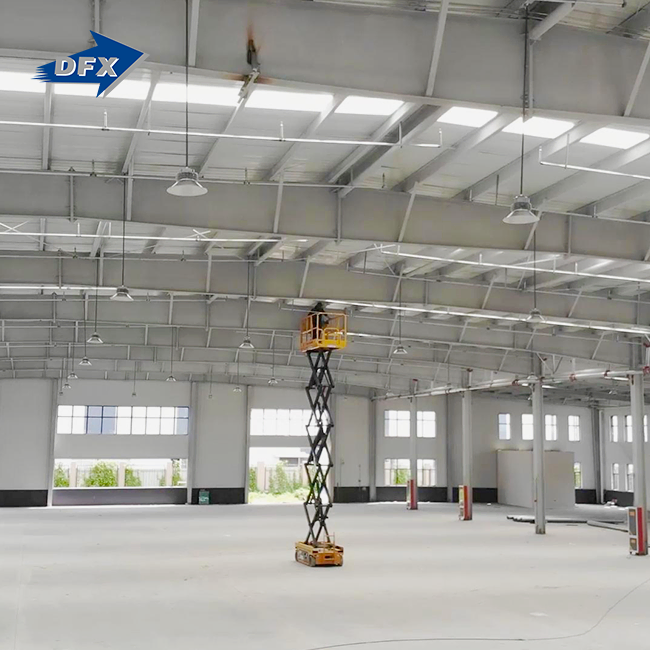
An industrial fuel storage shed is helpful for long-distance infrastructure, building projects, farming, mining, manufacturing, and storage. A well-built shed is simple to use, keeps the weather out, and limits who can come and go. It's big enough to fit tanks, pumps, meters, filters, valves, hoses, and safe ways to check things. There is less work to do on-site when you use steel designs that have already been made. It's also easier to ship goods abroad, and you can move or add on later. Shipping containers that have been changed can be used for small, short-term jobs, but a steel shed that was built just for that reason usually has more space for tools and is easier to get into. The whole building, not just the roof, needs to be checked out.
Where DFX Steel Sheds Fit?
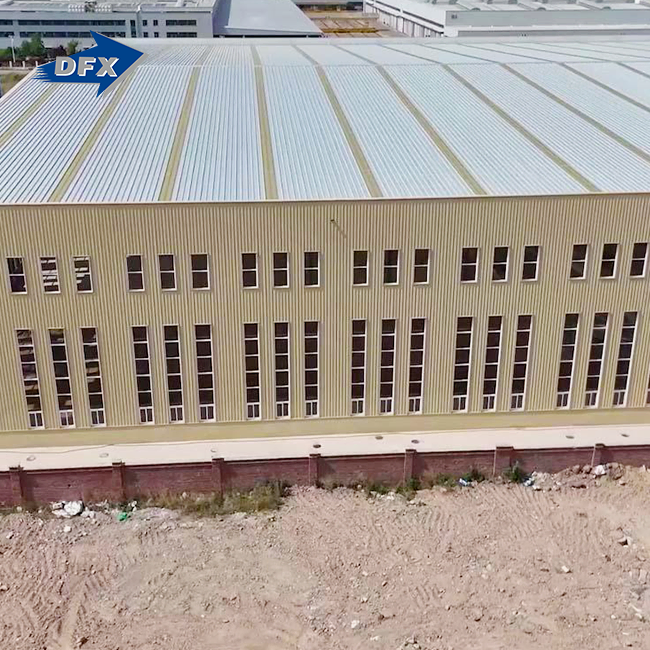
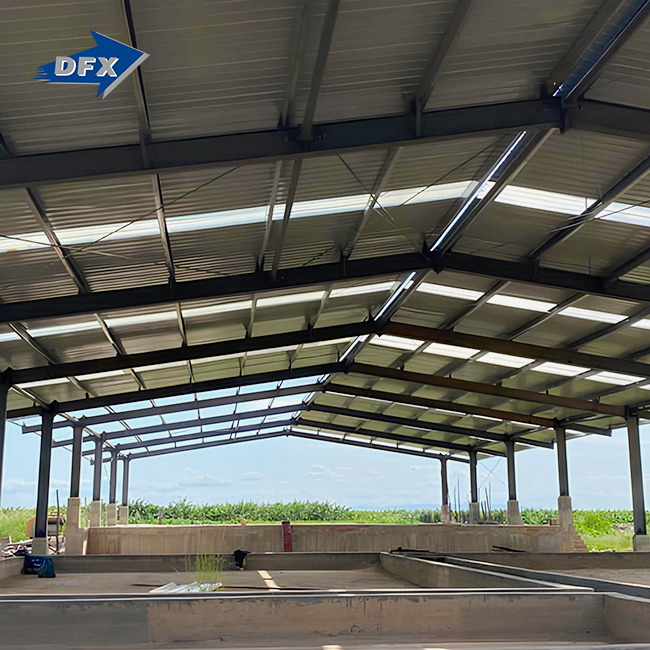
In China, DFX builds steel sheds. Their ends are either closed or open. Pegs, beams, and C/Z steel purlins make up the frame. You can close the sides or leave them open to make more room. These buildings are often used to store hay, park their cars, put away tools, and fix things. As part of our service, we offer standard plans for designing, making, packing, and installing. We can get things done quickly. We make things and use ISO ways to make sure they are of high quality. We have certificates like CE, COC, and PVOC. The steel shed is what the building is made of. It's up to you to tell your engineer about the tanks, containment, and any fire-rated parts and get their approval.
Design Requirements and Safety Regulations
Design Inputs Engineers Need First
The first thing you need to plan well is the data. How much fuel do they have, what is its flash point, how many tanks do they have, and what tools do they need to move it around? The next parts talk about access places, airflow, fire safety, and how energy is categorized. Rules are different for each type of fuel. According to NFPA 30, diesel is a Class II flammable liquid and gasoline is a Class IB flammable liquid. When you build something, you should think about how much full tanks weigh, how stable the base is, wind, snow, earthquakes, corrosion, and how vehicles will affect it. If you get these early, you can avoid redesigns that happen after the order has been placed.
Spill Containment Basics
Adding bunds, double-walled tanks, leak monitors, drain separation, and floor solutions that don't leak fuel can help keep a spill inside an industrial fuel storage shed. In case of a leak, these parts will protect the ground and soil. The EPA's Spill Prevention, Control, and Countermeasure (SPCC) rule affects many places that store more than 1,320 gallons of oil above ground. This means 55-gallon barrels and bigger. When you have to think about how much rain there is, it's easy to forget to add water to a bund. Make a plan for a safe way to get the water out of the area and check on it often.
Compliance Planning in the United States
Compliance depends on the type of fuel, the amount kept, the state, and how the site is used. The International Fire Code (NFPA 30), OSHA rules, EPA rules, and local government rules must all be followed for most projects. It is very important that you have general arrangement plans, containment formulas, ventilation details, foundation data, and working instructions ready before you place your order. They always put in the wrong electrical equipment and think that a tank is enough to meet the standards. They also think that a mobile shed doesn't need to be approved. Talk to the fire chief in your area right away. A quick chat can often keep work from having to be redone for weeks.
How to Choose and Buy the Right Option?
A Five-Step Decision Method
Do these five things right now. First, write down what kind of fuel you need, how much of it you need, how often you need it, how big your tank is, and how often you need it delivered. First, look at how big the site is, how easy it is to get to, the base, the weather, the room between buildings, and whether you can move. Third, make safety rules, such as how to rate fires, keep things inside, let air flow, rate power, and keep everything safe. Fourth, find out how much the whole job will cost. This should include the base work, shipping, setting up, and any other costs that come up in the future. Fifth, connect your answers to a plan for a shed that is already built, a shed that has a tank inside it, or a tank that is separate from the building. There is no cost difference between this method and safety.
Cost, Shipping, and Installation
For an industrial fuel storage shed, the price will vary depending on where the building is going, the size, the type of steel used, the fire rating, the security against rust, the air flow, the electrical systems, and other project requirements. To get a correct price, you need to include information about the project, such as the type of fuel, tank plans, volume, site location, and any local permits that are needed. Logistics are also important to think about. You need to know how to ship the modules, lift them, get the crane to them, set up the base, put the pipes in place, and connect the power. Make a list of who is in charge of what. When there is a clear list of who is responsible for what between the seller, the worker, and the site owner, commissioning doesn't get held up.
Evaluating a Manufacturer
Don’t just look at the ad's price. You should get plans from a good maker who will also help you get your product to you and ask about your fuel and spot. DFX (Qingdao Director Steel Structure Co., Ltd.) has about 200 employees. The business has been around since 2011 and has 40,000 square meters of enclosed space where they can make things. With two C/Z section steel lines and six automatic welded H-beam lines, we can get the job done. We also have a group of people who help plan jobs from beginning to end. Also, claims are made that prices aren't made clear, certificates aren't clear, and your site isn't asked about.
Conclusion
Based on what you already have, you can pick between an industrial fuel storage shed and a tank. It is best to put a stand-alone tank in a hard-to-reach place with good foundations, containment, and fire safety. Starting up doesn't cost much either. If you need to protect your things from the weather, stay safe, or get to your tools quickly, a shed is a good choice. A lot of projects use both. The shape is chosen based on the fuel type, how much space it takes up, how to clean up drips, and the NFPA 30 and EPA SPCC rules in your area. The full cost of the job, which includes the price of the item, shipping, licenses, and installation, is more useful than just the price of the item itself. To make a good choice, you need to think about five things: cost, safety, place, fuel.
FAQ
Q1: Is a fuel storage shed the same as a fuel tank?
It's not a tank; the gas is in one. The shed protects the tank and its tools from rain and snow.
Q2: Does a diesel tank need an extra enclosure?
Not all the time. NFPA 30 says diesel is a Class II fuel that can catch fire. What the rules are depends on how much is there, where it is, and the law in that place. Talk to the right people about the fuel class, amount, and spot conditions before you decide.
Q3: What should I request from a manufacturer?
Find out about the general layout, the steel and finish, the base, and get certificates and drawings for putting it together. Tell them what kind of fuel you need, how much you need, and where the site is. Then they can find the right structure for your project. Find out what the rules are in your area because they are different from place to place.
Request a Project-Specific Industrial Fuel Storage Shed Quote
DFX wants to know what you think. We sell industrial fuel storage shed solutions and have standard plans for designing, building, packing, and setting them up. We can also make things quickly. Email jason@bigdirector.com with the address of your spot, the type of fuel, how much it can hold, and the size of the tank. We'll take a look at what you need and give you a price and some ideas.
References
1. NFPA 30: Flammable and Combustible Liquids Code, 2024
2. NFPA 30A: Code for Motor Fuel Dispensing Facilities and Repair Garages, 2024
3. International Fire Code, 2021
4. SPCC Guidance for Regional Inspectors, U.S. Environmental Protection Agency, 2013
5. ASCE 7-22: Minimum Design Loads and Associated Criteria for Buildings and Other Structures, 2022
6. AISC 360-22: Specification for Structural Steel Buildings, 2022
Learn about our latest products and discounts through SMS or email