- English
- French
- German
- Portuguese
- Spanish
- Russian
- Japanese
- Korean
- Arabic
- Greek
- German
- Turkish
- Italian
- Danish
- Romanian
- Indonesian
- Czech
- Afrikaans
- Swedish
- Polish
- Basque
- Catalan
- Esperanto
- Hindi
- Lao
- Albanian
- Amharic
- Armenian
- Azerbaijani
- Belarusian
- Bengali
- Bosnian
- Bulgarian
- Cebuano
- Chichewa
- Corsican
- Croatian
- Dutch
- Estonian
- Filipino
- Finnish
- Frisian
- Galician
- Georgian
- Gujarati
- Haitian
- Hausa
- Hawaiian
- Hebrew
- Hmong
- Hungarian
- Icelandic
- Igbo
- Javanese
- Kannada
- Kazakh
- Khmer
- Kurdish
- Kyrgyz
- Latin
- Latvian
- Lithuanian
- Luxembou..
- Macedonian
- Malagasy
- Malay
- Malayalam
- Maltese
- Maori
- Marathi
- Mongolian
- Burmese
- Nepali
- Norwegian
- Pashto
- Persian
- Punjabi
- Serbian
- Sesotho
- Sinhala
- Slovak
- Slovenian
- Somali
- Samoan
- Scots Gaelic
- Shona
- Sindhi
- Sundanese
- Swahili
- Tajik
- Tamil
- Telugu
- Thai
- Ukrainian
- Urdu
- Uzbek
- Vietnamese
- Welsh
- Xhosa
- Yiddish
- Yoruba
- Zulu
Best Steel Rabbit Hutch House Layouts for High-Density Breeding
Choosing the right layout for a steel rabbit hutch house directly determines whether your high-density breeding operation succeeds or struggles. The best layouts balance vertical space, airflow, and daily management needs. Galvanized steel frames with insulated panels outperform wood and plastic in longevity, hygiene, and predator resistance. For commercial breeders scaling to hundreds or thousands of animals, getting the structural layout right from day one saves significant time, labor, and operating costs across the facility's lifespan.

Understanding the Challenges of High-Density Rabbit Breeding
It might look easy to run a high-density rabbit farm on paper, but there are real problems that come up every day that can slowly hurt animal health and production.
Overcrowding and Space Pressure
When the number of rabbits grows faster than the infrastructure can keep up, the rabbits fight for places to rest, food, and water. Chronic overcrowding raises cortisol levels, slows down reproduction, and makes people die more often. The FAO says that for rabbit farms to meet basic welfare standards, each kilogram of live rabbit weight needs at least 0.06 square meters of floor space.
Ventilation Deficits
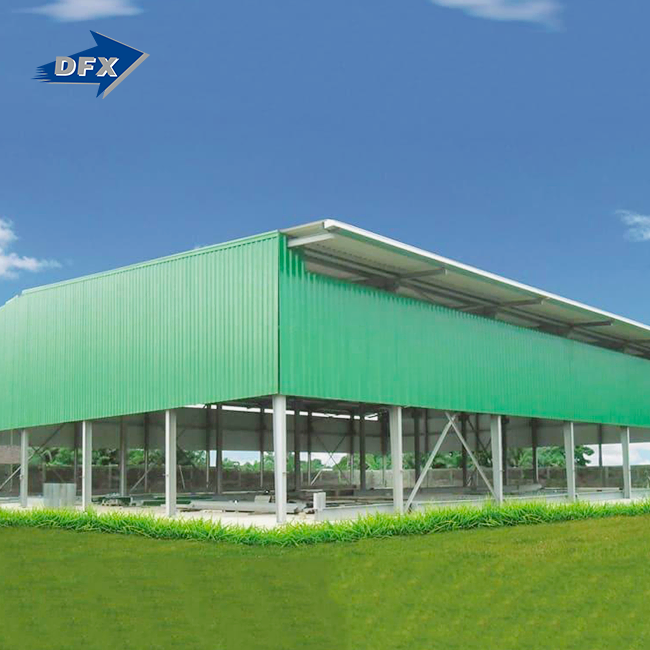
Ammonia from urine builds up quickly in small spaces. Concentrations above 25 ppm hurt rabbits' lungs and make them more likely to get Pasteurellosis. One major reason why indoor breeding sites lose output is that they aren't set up to allow enough airflow. This problem can be solved directly by a steel livestock building with longitudinal ventilation, which moves air continuously along the whole length of the building.
Hygiene and Disease Control
Wood soaks up pee and keeps germs inside. The surface of steel doesn't. Cleaning buildings with industrial cleaners like Virkon S every day is normal practice for places that take care of hundreds of breeding does. Non-porous galvanized steel can handle these chemicals without losing its surface, which is something that wooden enclosures can't do after many cleaning cycles.
Core Features of Steel Rabbit Hutch Houses for High-Density Breeding
A well-built stainless steel rabbit hutch is more than just a box with wire walls. Its structure, surface treatment, and the materials it is made of all work together to meet commercial-scale animal welfare standards.
Material Specifications That Matter
The main frame of professional-grade units is made of square metal that is either Q235 carbon steel or 304 stainless steel and is at least 20mm × 20mm in size. Wire mesh parts are 12 to 14 gauge and have a 1" × 0.5" floor grid spacing to keep your hooves from getting sore and let waste pass through. Hot-dip galvanization with a zinc coating of more than 275 g/m² or electrostatic powder coating of more than 80 microns are two surface processes that protect against ammonia and wetness for a long time.
Optimal Sizing and Compartmentalization
A typical industrial breeding doe section in a steel rabbit hutch house is about 60 cm long, 75 cm wide, and 45 cm high. To fit nest boxes, farrowing sections need an extra 90 cm of depth. Breeders can keep does, bucks, and young fryers separate within the same living unit by using compartmentalization. This keeps animals from fighting with each other and makes managing large herds easier.
Ventilation and Safety Integration
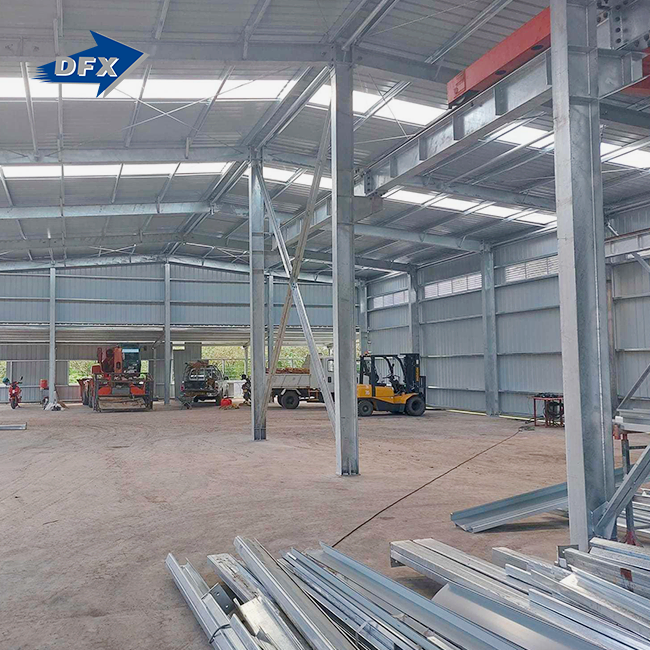
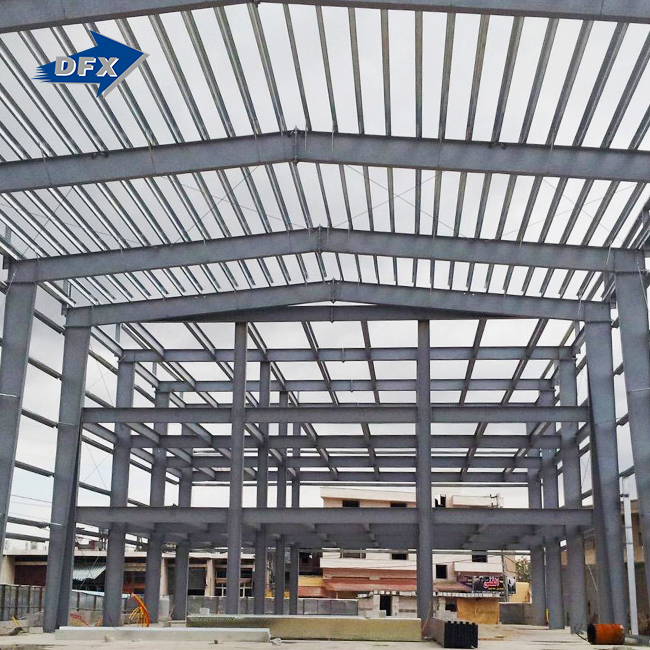
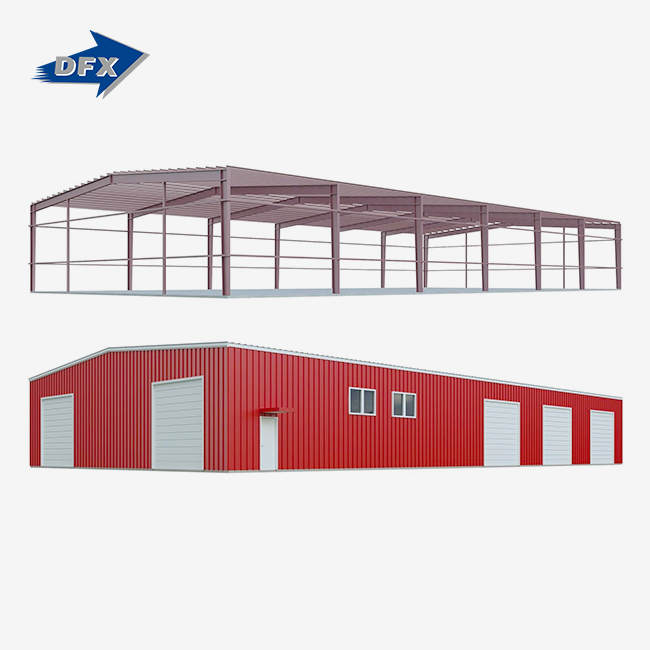
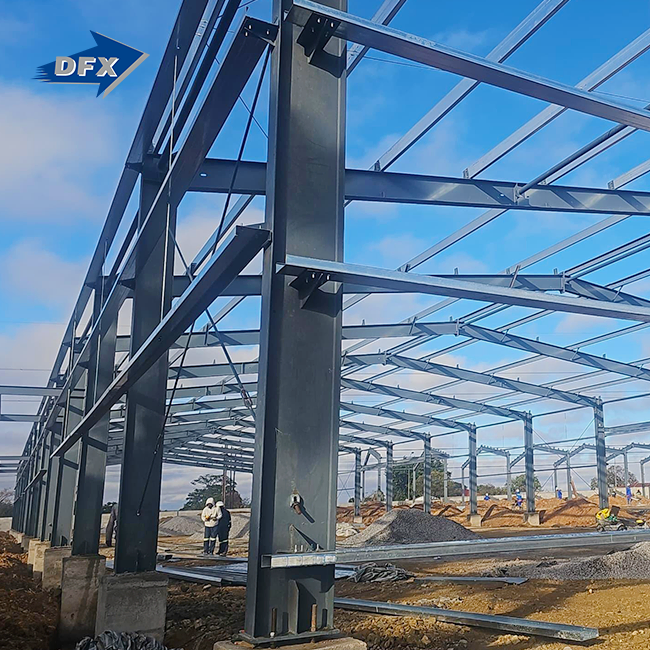
Steel buildings with insulated roof and wall panels keep the heat in and let air flow through. Longitudinal ventilation systems bring in fresh air at one end and let warm, ammonia-filled air out at the other. It's also important that the welds are strong. All joints should be TIG or MIG welded, then deburred and cleaned to get rid of any sharp edges that animals could get hurt on while moving.
Best Steel Rabbit Hutch Layout Designs for Maximizing Density and Welfare
Not every task can be done with just one layout. The best layout depends on the size of the building, the availability of workers, and the amount of money spent on automation. In commercial rabbit production, these are the three layout types that are most often used:
- Layout with Modular Stackable Tiers: Two to four levels of frames are stacked on top of each other, and angled waste collection trays between the levels send fertilizer into a central channel. This plan makes more space useful per square meter of floor space and works well with watering lines that hang from the ceiling. It works best in places where land costs are high and has ceiling heights above 2.5 meters.
- Modular Stackable Tier Layout: Frames are stacked two to four tiers high, with angled waste collection trays between levels directing manure into a central channel. This layout multiplies usable space per square meter of floor area and integrates well with overhead nipple watering lines. It suits facilities with ceiling heights above 2.5 meters and is preferred in high-land-cost markets.
- Single-Row or Double-Row Block Layout: Cages are arranged in single or back-to-back double rows with a central service aisle. This configuration gives farm workers clear sightlines for health checks and simplifies the installation of automated feeding rails. It is the most common layout for farms with 200 to 1,000 breeding does and offers straightforward expansion by adding row sections.
- Island Block Layout with Perimeter Service Aisles: Groups of cages form rectangular islands surrounded by service paths on all four sides. This maximizes worker access without expanding the building footprint and suits operations with high labor-to-animal ratios or specialized breeding management protocols.
Each of these plans works best when paired with an enclosure building that is built well. These plan choices directly cut down on the amount of work that needs to be done every day, lower the risk of disease spreading, and make it easier to handle the breeding cycle on a large scale.
Maintenance and Assembly Best Practices for Steel Hutch Houses
Installing things correctly and keeping up with regular maintenance will protect your investment and keep the building running at full capacity year after year.
Assembly Process and Tool Requirements
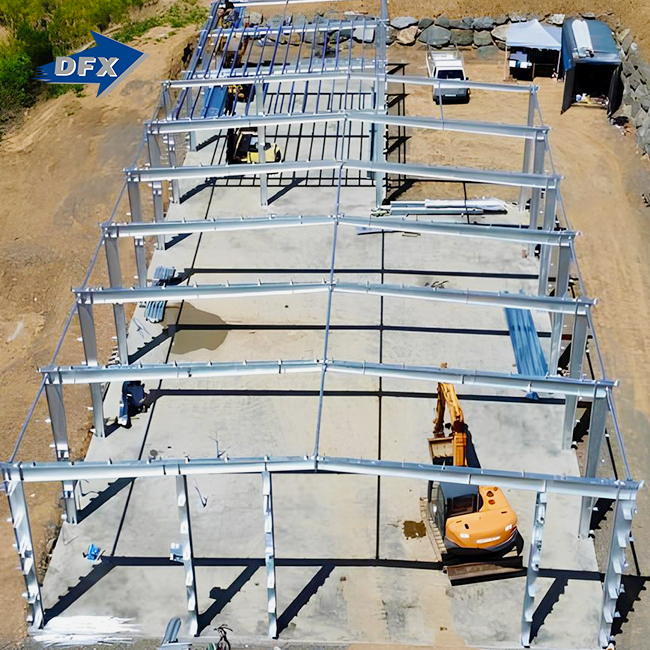
Steel rabbit hutch house systems come with parts that have already been put together. Standard hand tools are needed for assembly, along with a torque wrench for tightening the bolts and a rubber mallet for aligning the panels. During assembly, the latch mechanisms and bolt hole specs should be checked to make sure they are aligned in a way that can't be opened. For big jobs, it only takes two people to put together a 50-unit modular piece in one working day.
Cleaning Protocols for Steel Surfaces
Biofilm buildup can be removed by pressure washing once a week with a weak bleach solution (1:32 ratio) or an approved field disinfectant. Every day, empty and rinse the pull-out trash trays that are under the cage floors. Powder-coated or galvanized surfaces are chemically resistant to ammonia as long as the coating is still in place. As part of the monthly maintenance schedule, the surface should be checked for chips or wear.
Weather Protection and Long-Term Durability
Insulated composite covering tiles keep heat in during the winter and keep out the sun during the summer, which protects animal health in all kinds of weather. According to ASTM B117 testing standards, salt spray protection data show that quality galvanized parts won't rust for at least 15 years with normal upkeep in coastal or high-humidity areas. Every year, touch-up powder coating should be applied to any mechanically damaged areas to keep the structure working as it should.
Procurement Guide: Selecting and Sourcing the Best Steel Rabbit Hutch Houses
There's more to finding the right steel rabbit hutch supplier than just looking at price lists. Before making an order, B2B buying teams should look at the following factors.
Certification and Compliance Standards
Look for companies that are certified by ISO, CE, COC, and PVOC. These badges show that the methods for quality management, figuring out how safe a structure is, and keeping track of materials are up to international standards. Certified goods also get through customs more easily in most markets, which lowers the risk of wait times.
Customization and Engineering Capability
Large-scale operations rarely fit normal catalog measurements. A trustworthy company provides in-house structural design and detailing services that include planning the layout, making fabrication drawings, and helping with the installation on-site. When the project deadline is set, this end-to-end service model makes it easier for everyone to work together from the design phase to the delivery phase.
Delivery Reliability and After-Sales Support
Because made-to-order items are produced, lead times are not always the same. Before you sign a contract, make sure you understand the production plans, shipping terms (usually FOB or CIF), and inspection processes. Suppliers with clear, documented after-sales help routes lower the chance of downtime due to missing parts or questions about how to put something together during installation. Always ask for project records or references from facilities of a similar size.
Conclusion
If you plan your high-density rabbit breeding center well, you can save money, keep the animals healthy, and cut down on daily work costs. Commercial breeders should use steel rabbit hutch house enclosure structures with insulated panels, good airflow, and flexible cage setups because they are the best choice for infrastructure right now. No matter what kind of system you choose—a stackable tier system, a double-row block layout, or an island configuration—using certified materials and a reliable supplier will help your business run smoothly for a long time.
FAQ Section
1. Does steel overheat rabbit enclosures in summer?
Steel moves heat around, but protected composite roofing panels make it much less likely to happen. In areas above 85°F, units that are put under shade structures or have cooling systems keep the temperature safe. Longitudinal ventilation systems move air all the time, which keeps the cage level from getting too hot.
2. How long does a galvanized steel rabbit enclosure last?
A stainless steel hutch frame that is well taken care of can last for 10 to 15 years or longer. Wooden hutches usually fall apart in two to three years because animals chew on them, they rot, or they get wet from urine. Based on the cost per year comparison, steel is clearly the better choice for business use.
3. Can predators breach a welded steel enclosure?
Foxes, squirrels, and wild dogs can't get through the fence because it is made of heavy-gauge mesh and welded steel frames. Unlike chicken wire or wood, which can be torn or chewed, welded steel mesh stays together even when pressure is applied for a long time.
4. What customization options are available for bulk orders?
Companies that make things can change the sizes of compartments, the way tiers are set up, waste management systems, and door mechanisms to fit different breeding protocols. For larger orders, you can also get custom placement of ventilation panels and color powder coatings with your brand.
Partner with DFX for Your Next Steel Rabbit Hutch House Project
With help from Qingdao Director Steel Structure Co., Ltd., DFX has been sending approved galvanized steel cattle structures to many foreign markets since 2011. Our team does everything, from designing the structure to delivering it and helping with the fitting. Contact us today if you need a steel rabbit hutch house supplier for a single location or are planning to open more than one location. To get a personalized quote, email our project team at jason@bigdirector.com.
References
1. Food and Agriculture Organization of the United Nations. Rabbit Husbandry, Health and Production. FAO Animal Production and Health Series No. 21. FAO, 1997.
2. Lebas, F., Coudert, P., de Rochambeau, H., & Thébault, R.G. The Rabbit: Husbandry, Health and Production. FAO, 1997.
3. Morisse, J.P., Boilletot, E., & Martrenchar, A. "Preference Testing in Intensively Kept Meat Production Rabbits for Stocking Density." Applied Animal Behaviour Science, 1999.
4. Princz, Z., Dalle Zotte, A., Metzger, Sz., Radnai, I., Biró-Németh, E., Orova, Z., & Szendrő, Zs. "Behaviour of Growing Rabbits Under Different Housing Conditions." Animal, Cambridge University Press, 2008.
5. Szendrő, Zs., & Dalle Zotte, A. "Effect of Housing Conditions on Production and Behaviour of Growing Meat Rabbits: A Review." Livestock Science, Elsevier, 2011.
6. ASTM International. ASTM B117: Standard Practice for Operating Salt Spray (Fog) Apparatus. ASTM International, 2019.
Learn about our latest products and discounts through SMS or email