- English
- French
- German
- Portuguese
- Spanish
- Russian
- Japanese
- Korean
- Arabic
- Greek
- German
- Turkish
- Italian
- Danish
- Romanian
- Indonesian
- Czech
- Afrikaans
- Swedish
- Polish
- Basque
- Catalan
- Esperanto
- Hindi
- Lao
- Albanian
- Amharic
- Armenian
- Azerbaijani
- Belarusian
- Bengali
- Bosnian
- Bulgarian
- Cebuano
- Chichewa
- Corsican
- Croatian
- Dutch
- Estonian
- Filipino
- Finnish
- Frisian
- Galician
- Georgian
- Gujarati
- Haitian
- Hausa
- Hawaiian
- Hebrew
- Hmong
- Hungarian
- Icelandic
- Igbo
- Javanese
- Kannada
- Kazakh
- Khmer
- Kurdish
- Kyrgyz
- Latin
- Latvian
- Lithuanian
- Luxembou..
- Macedonian
- Malagasy
- Malay
- Malayalam
- Maltese
- Maori
- Marathi
- Mongolian
- Burmese
- Nepali
- Norwegian
- Pashto
- Persian
- Punjabi
- Serbian
- Sesotho
- Sinhala
- Slovak
- Slovenian
- Somali
- Samoan
- Scots Gaelic
- Shona
- Sindhi
- Sundanese
- Swahili
- Tajik
- Tamil
- Telugu
- Thai
- Ukrainian
- Urdu
- Uzbek
- Vietnamese
- Welsh
- Xhosa
- Yiddish
- Yoruba
- Zulu
Best Industrial Fuel Storage Shed Features for Remote Worksites
The best industrial fuel storage shed for a remote worksite is a complete storage and dispensing system, not a steel box with a door. In my years supplying steel buildings to contractors, farmers, and plant owners, the sheds that perform well share the same traits: galvanized frames that carry wind and snow loads, a bunded floor that captures spills, controlled airflow, fire-rated separation, locked access, and sizing that matches real fuel demand. Remote sites rarely get quick help. Every feature should pass one test — does it keep fuel, people, soil, and water separated from each other?

Construction Materials That Hold Up in Harsh Remote Conditions
Why Galvanized Steel Frames Suit Prefabricated Fuel Stores?
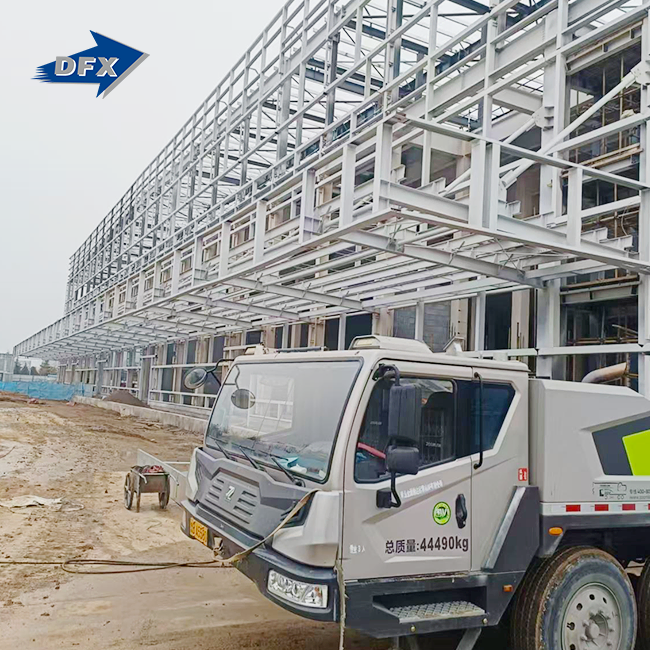
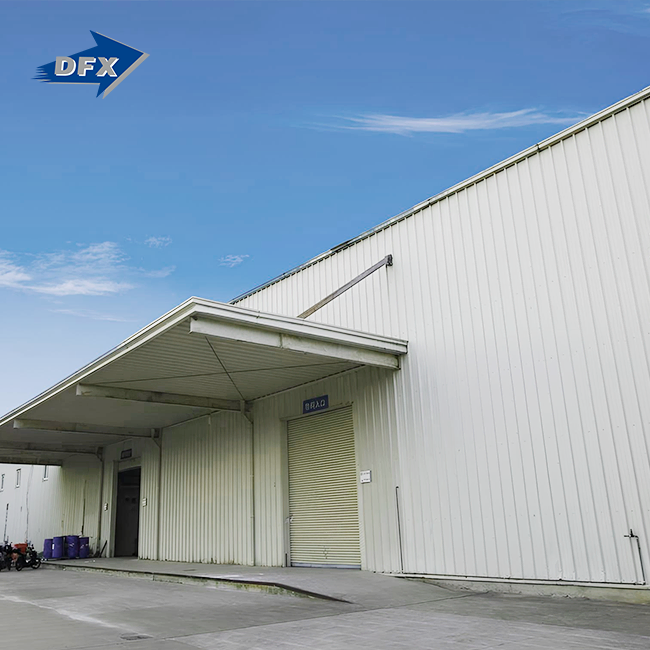
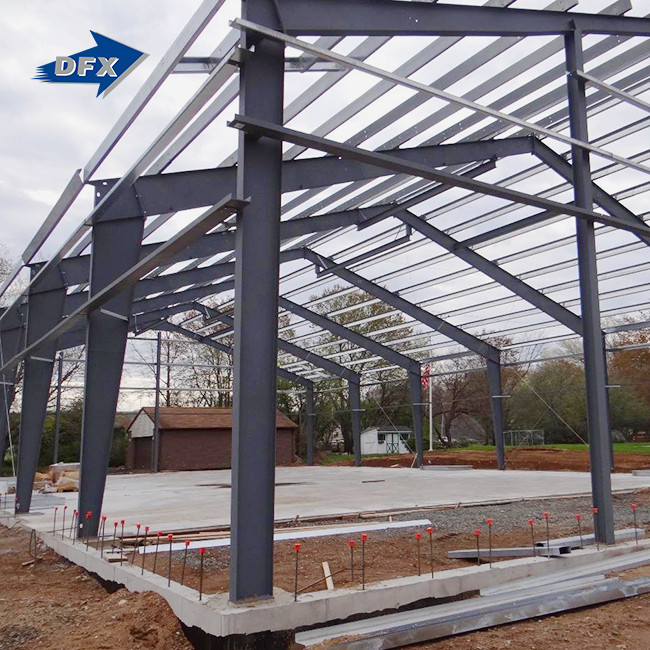
I favor steel for remote work because the building arrives finished. It takes a factory to cut, weld, and drill the beams, ceilings, and purlins before they are sent out as a numbered kit. A cover is put on top of the frame after the slab is ready. The frame is held together with bolts. Steel supports made of an H-shape are coated and hold up the walls and roof. C and Z purlins that run between the frames hold the sheets up. Joints that can be used over and over again are made with a good method and machine welding. This is important when a service shop is far away from an industrial fuel storage shed. Because DFX has six automatic H-beam lines, lead times are always short.
Hot-Rolled H-Sections Compared with Reinforced Concrete
For long-term terminals where trucks might hit the walls and the owner doesn't want to move, concrete works well. Steel is good for projects that need to be done by a certain date. It takes months to make an iron frame, but only days to make a steel frame. Plus, they're much lighter and easier to move and put back together at the next camp. On top of a concrete ring wall or kerb that is made of steel, it also works. Pick one that can handle wind, snow, shocks, and salt. This person should also show you how the weight will move from the purlin to the column to the base.
Coating Systems, Corrosion Checks, and Service Life
Paint can peel in places where chemicals and wet air can come in, like paint shops, mine haul roads, and industrial fuel storage sheds near water. Make a list of the priming, coating, and dry film thickness you want to reach in microns or mils if you want to finish a job. At the site, checkers can use a gauge to figure out how thick the film is. Buyers should ask for these readings before the shipment. You should fix any scratches after getting an erection because that's when the first rust spots show up. Once a year, check the base plates, bolt threads, and panel edges for rust. If you find any, stop it before it spreads.
Spill Containment and Environmental Protection Features How a Bunded Floor and Sump System Works
What comes out of the tank is held in place by a bund, which is also known as secondary containment. It is a floor with high sides. Under 40 CFR 264.175, EPA rules set the standard that containment must be 10% of the total space in the container or 100% of the largest container, whichever is greater. A lot of plans go as high as 110% to make sure that rain and fire water don't move the fuel. It's important to check the sump, seal it, and cover it with something that won't react with fuel. Get a report on a hydraulic or pressure test before the unit leaves the plant.
Sizing Secondary Containment for Real Tank Volumes
There are times when the site and the datasheet don't match up. There may be two 5,000-gallon tanks, a drum rack, and a used-oil tote in the same bay. The floor is made up of the biggest bottle. The slab should slope so that water runs to a sump instead of the door if the industrial fuel storage shed door is left open. Things that leak, like pump stands, filters, and hose reels, should have more cover put under the point of arrival. Adding a spill tray will cost more if you don't do this step now than if you did it right the first time.
Site Planning Around Drains, Floodplains, and Waterways
What makes someone responsible is where they are placed. You shouldn't put the industrial fuel storage shed near wells, water drains, property lines, or wells. Check out the flood map before you pour the floor. 40 CFR 112 is the SPCC rule that says places that store more than a certain amount of fuel must have a written plan with controls for draining and inspection logs. It's helpful to have a spill kit inside the door, drain valves that stay shut, and a way to stop the pump. Space between things is important, but turning room is even more so for cars. If tankers can't get to the fill point, they'll fill up somewhere worse.
Ventilation, Fire Protection, and Vapor Control
Natural, Mechanical, or Hybrid Ventilation
Fuel makes the air move. Diesel doesn't give off much gas, even when it's not hot. Having both high and low louvers and an open side can help move the air around. Things that don't burn quickly, like gasoline, need more. Most of the time, motorized ventilation for Class I liquids will bring in about 1 cubic foot of air per square foot of floor space. It keeps the gas below the point where it could blow up. Clear-span industrial fuel storage sheds with C and Z purlin frames and no wall sheets let air flow through them. This helps in hot places. Shops that are locked up and safe need power fans and gas alarms.
Fire Ratings, Separation Distances, and Steel Behavior
The NFPA 30 tells us how far apart tanks should be based on the type and size of the tanks. It is up to the fire departments in your area to decide what those distances mean. If an industrial fuel storage shed is next to a plant or a property line, the walls around it might need to be rated for 2 or 4 hours. You should test the whole thing and use mineral wool or gypsum cores to make them. The grade has to include both the frame and the siding because hot steel gets weak. Each fire extinguisher point, self-closing door, and open exit should be named in the drawing set. Send the plan to the person in charge as soon as possible.
Bonding, Grounding, and Classified Electrical Parts
Most people don't know that sparks from static electricity burn more fuel than they do. Place the frame, the pump, and the tank on the same area of ground. Once everything is set up, check the resistance. The right type of electrical plugs should be used with the fuel when they are in a vapor zone, and the ends of the pipe should be blocked. The first time lights, switches, and level monitors are used after being stored in the right way, they become dangerous. I want the people who made the plans to note where they were based and keep a record of the continuity test. Setting it up only takes an hour and keeps things from going wrong that insurance won't pay for.
Capacity Planning, Dispensing, and Site Security
Calculating Daily and Weekly Fuel Demand
How much you use is more important than how big your tank is. Divide the number of tractors, generators, haul trucks, and light vehicles that are needed each day by the times that they could arrive. A site that gets fuel twice a month needs about twice as much as a site that gets fuel once a week. Diesel that sits around for too long picks up water and germs, and money that could be used for other things gets stuck. An industrial fuel storage shed can handle a lot of work without being turned into a warehouse if it has an extra 20% to 30% of space.
Dispensing Hardware That Keeps Records Straight
In the middle of nowhere, gas runs out quickly. It's possible to keep logs with machine meters, card readers, and tank gauges. Because of the logs, there are no disputes between shifts. It's important for common-rail engines to filter these days, so choose a water separator and filter tank that can handle the flow. Pumps and valves need to be put together so that the right fluid can be used. Different fuels, like diesel, gasoline, hydraulic oil, coolant, and DEF, need different valves and lines to work. A few drops of diesel can get into DEF, so keep them away from each other.
Access Control and Weather Protection for Operators
Locks, key cabinets, PIN pads, and places to mount cameras can stop a simple theft. Making the approach lighter at night helps cars and keeps people from going back. Doors and walls that are sealed and insulated are used to keep the weather out in cold places. Wavy roofs with dust screens are used in dry places. Everyday work is safe when there are clear signs, non-slip floor plates, and hose lines that are out of the way. Someone should check the tank from below so that no one has to climb to read the gauge. These things don't cost much to plan, but they do cost a lot to finish.
Portability, Installation, and Supplier Checks
Moving and Relocating a Modular Fuel Shed
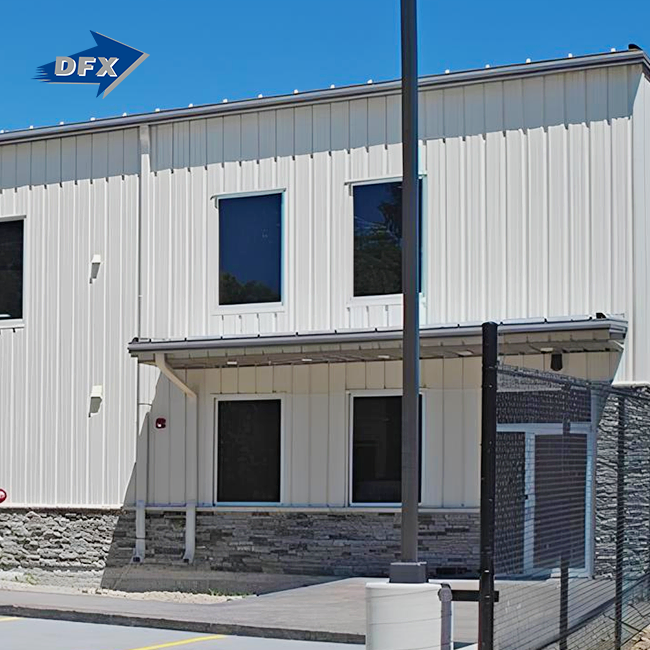
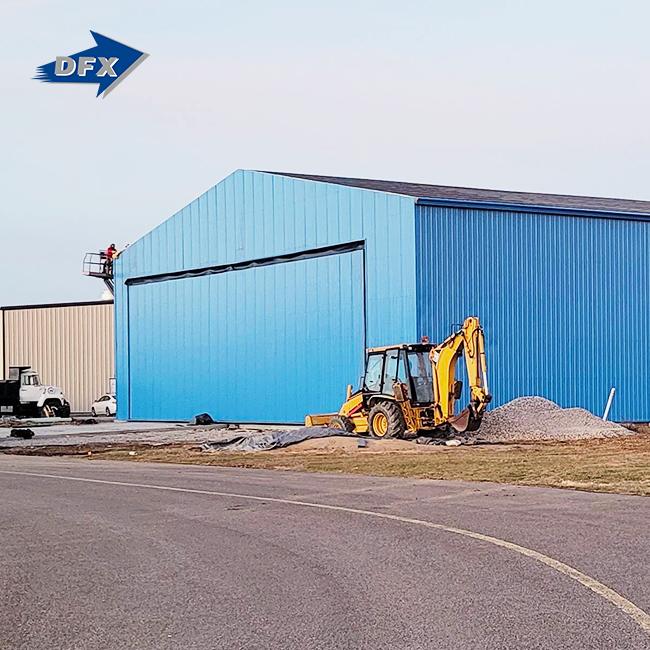
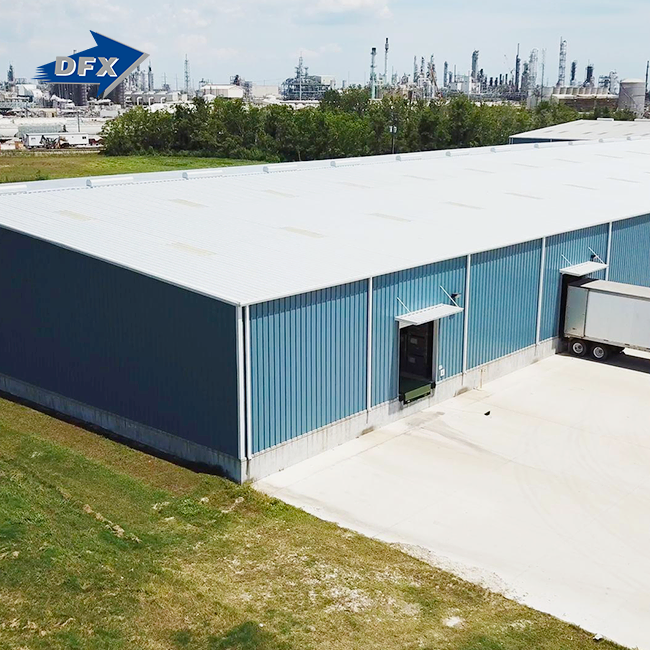
Because of how they're built, mobile industrial fuel storage sheds can be easy to move. In the afternoon, the unit can be put down on grass or a concrete floor with the help of a crane with grips and forklift pockets. Before each lift, empty the tanks, flush the lines, and get rid of any dangerous residue. When they rig a full tank, they risk both the crew and the guarantee. Early on, make sure you know how wide and how high the road can go. They can make you divide a plan in half. When someone buys a house, they should keep the original blueprints and drawings in case they want to build it somewhere else.
What a Design and Fabrication Package Should Include
A good box isn't just made of steel. Standard building plans show the frame, the bracing, the siding, and the holes. To make something, shop plans that have been accepted are used. With these lists, you can see how many panels and nuts are in each drawing. The installation plans show the steps that the team can follow. After following an ISO 9001 quality system, DFX provides export projects with CE, COC, and PVOC records. It's important to check that the materials, welds, and coatings on the truck match the ones on the packing list.
How I Compare Two Industrial Fuel Storage Shed Suppliers?
You can't tell the difference between stores that open on time by their prices alone. I give companies three points.
• Engineering depth. What if the provider makes a guess about how much wind, snow, and earthquakes will weigh and then changes their guess when the tank moves? When the machinist who only cuts steel sends you back to someone else who can do the job, it takes weeks longer to get it done.
• Factory evidence. Not promises, but records of how to weld, read coatings, and check sizes should be kept. Before you make your first order, you should get news from a third-party inspector and video tours of the production line. You can learn something if the seller says no to both of them.
• Export experience. Know how to send something. People who move things often have plans for the buyer's units, shipping that lasts in a sea container, and the right papers. These things aren't for people who only ship once. Find out how many projects they brought to your area and which port they load from.
If a service answers with papers, they generally also give you a price that you can use. It's not possible to talk when you use these three points to rate.
Conclusion
This article discussed what makes an industrial fuel storage shed in the middle of nowhere work or not. Some of these are the frame material, the coating needs, the need for extra protection, air and fire separation, grounding, planning for capacity, keeping track of how full it is, and controlling access. The main goal is to keep fuel off the ground, vapor away from sparks, and stored volume away from demand that is higher than it really is. Steel frames are easy to move, but concrete frames last a long time. This type of plan gives you the best of both worlds. Use the largest container for control, make sure there is enough airflow for the flashpoint, use rated parts when room is limited, and keep track of where each gallon was given out. There are the same risks. When people compare whole systems instead of just buildings, they find stores that pass review and will still be useful when the camp moves.
FAQ
Q1: How large should the secondary containment be?
That industrial fuel storage shed should either take up 10% of the whole storage room or be the biggest size possible. A lot of people pick 110% so there's room for fire, water, and rain. Make sure the figure follows the rules in your area before you approve the production plans.
Q2: Do I need mechanical ventilation for diesel storage?
Not all the time. Most of the time, louvers and an open side can get rid of the diesel vapor well. Some products, like gasoline, have a low flash point and need to be moved quickly. This is good for the floor space. Talk to your local fire department about the rules. They will change depending on the weather and the size of the industrial fuel storage shed.
Q3: Can a steel fuel storage shed move to another site?
Yes, at the time that was set from the beginning. It's simple to move since it has pulling lugs, bolted links, and blocks of different sizes. Make sure all the tanks are empty and clean before you lift. Keep the first plans too, so the next base will fit the frame.
Request an Industrial Fuel Storage Shed Quotation from DFX
DFX works in a 40,000-square-meter plant in Qingdao that makes steel envelopes that are used to store fuel. Galvanized C and Z purlins, cladding, and frames in the shape of an H make up these envelopes. The bays have open sides. Write down the address of your tank, how windy and cold it is, and where it is. They'll then send you a price, a plan, and some images. To get a price quote on an industrial fuel storage shed, email jason@bigdirector.com. You can keep the page up to date by cutting down on work hours.
References
1. NFPA 30: Flammable and Combustible Liquids Code — National Fire Protection Association, 2024.
2. Spill Prevention, Control, and Countermeasure Rule, 40 CFR Part 112 — U.S. Environmental Protection Agency, 2023.
3. 29 CFR 1910.106, Flammable Liquids — Occupational Safety and Health Administration, 2024.
4. UL 142: Standard for Steel Aboveground Tanks for Flammable and Combustible Liquids — UL Standards & Engagement, 2021.
5. Minimum Design Loads and Associated Criteria for Buildings and Other Structures, ASCE/SEI 7-22 — American Society of Civil Engineers, 2022.
6. Steel Construction Manual, 16th Edition — American Institute of Steel Construction, 2023.
Learn about our latest products and discounts through SMS or email