- English
- French
- German
- Portuguese
- Spanish
- Russian
- Japanese
- Korean
- Arabic
- Greek
- German
- Turkish
- Italian
- Danish
- Romanian
- Indonesian
- Czech
- Afrikaans
- Swedish
- Polish
- Basque
- Catalan
- Esperanto
- Hindi
- Lao
- Albanian
- Amharic
- Armenian
- Azerbaijani
- Belarusian
- Bengali
- Bosnian
- Bulgarian
- Cebuano
- Chichewa
- Corsican
- Croatian
- Dutch
- Estonian
- Filipino
- Finnish
- Frisian
- Galician
- Georgian
- Gujarati
- Haitian
- Hausa
- Hawaiian
- Hebrew
- Hmong
- Hungarian
- Icelandic
- Igbo
- Javanese
- Kannada
- Kazakh
- Khmer
- Kurdish
- Kyrgyz
- Latin
- Latvian
- Lithuanian
- Luxembou..
- Macedonian
- Malagasy
- Malay
- Malayalam
- Maltese
- Maori
- Marathi
- Mongolian
- Burmese
- Nepali
- Norwegian
- Pashto
- Persian
- Punjabi
- Serbian
- Sesotho
- Sinhala
- Slovak
- Slovenian
- Somali
- Samoan
- Scots Gaelic
- Shona
- Sindhi
- Sundanese
- Swahili
- Tajik
- Tamil
- Telugu
- Thai
- Ukrainian
- Urdu
- Uzbek
- Vietnamese
- Welsh
- Xhosa
- Yiddish
- Yoruba
- Zulu
Advantages of Electronic assembly steel workshop for Factories
One solution that always gets great results when we talk about improving production facilities for making electronics is the Electronic Assembly Steel Workshop. Strong structural engineering and the need for precision in electronics assembly work together in this specialised infrastructure, making a place where quality, efficiency, and safety all come together. These workshops are different from regular factory buildings because they are designed to meet the specific needs of today's electronics manufacturers, such as controlling vibrations and making sure the environment is perfect. This makes them a smart investment for project managers, procurement professionals, and factory owners who want to ensure long-term operational excellence.

Understanding Electronic Assembly Steel Workshops
What Makes These Workshops Different?
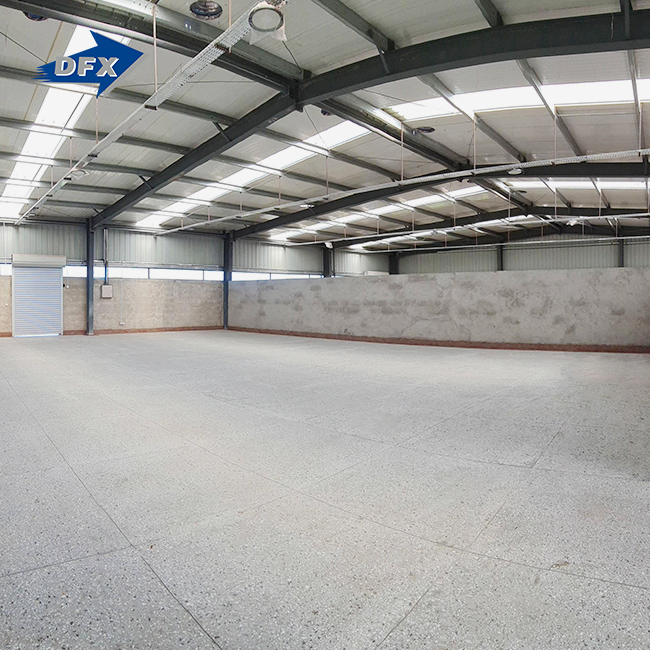
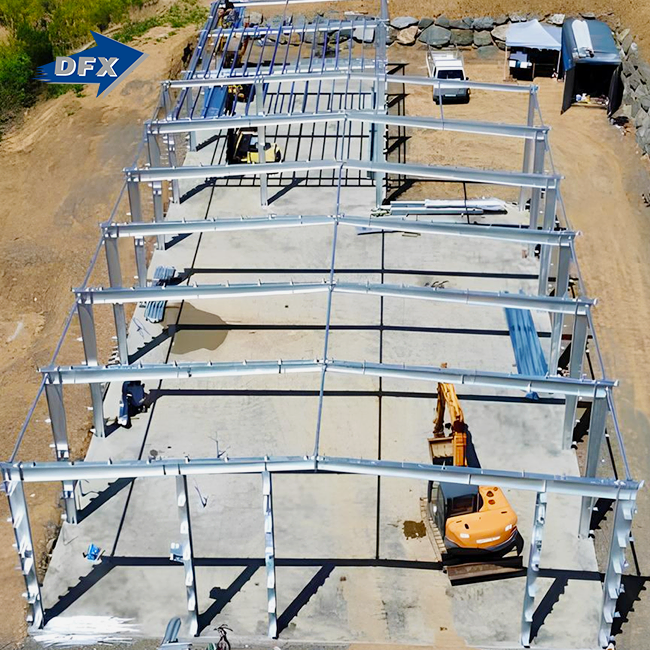
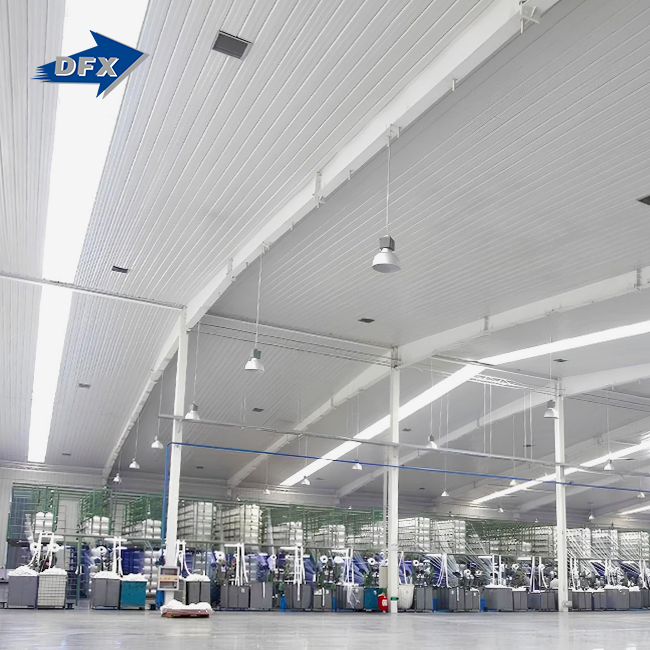
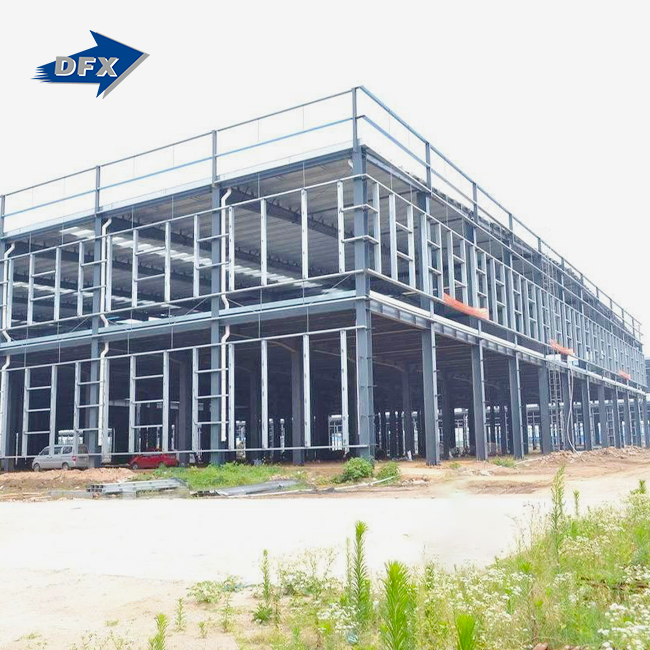
An Electronic Assembly Steel Workshop is a special kind of industrial building that was designed to be used in places that make electronics. These buildings are made with welded H-section steel frames, which are usually made of Q235 or Q355 grade steel. This makes the insides very open and clear, with no poles in the way. This open design lets SMT (Surface Mount Technology) production lines, PCB assembly stations, and automatic testing equipment fit in while still keeping the structural stability needed for delicate electronic tasks.
What makes these workshops different is how they combine controls for the environment with structural stability. Traditional warehouses focus on having enough space to store things. Most factories that make things focus on making basic housing. In Electronic Assembly Steel Workshops, on the other hand, load-bearing capacity is balanced with vibration reduction, static discharge prevention, and cleanroom compatibility. The steel skeleton supports the structure and provides a path for ESD (Electrostatic Discharge) protection systems to connect to the ground. This solves one of the most important problems in the electronics industry.
Core Components and Design Philosophy
There are several important parts to these workshops that all work together perfectly. The main structure is made up of bolted steel connections that make it easy to put together and make changes in the future. The roof is held up by C/Z steel purlins that are designed to hold heavy loads from HVAC equipment—often more than 50 kg/m² when cleanroom filtration units are installed. Sandwich panel cladding with polyurethane or rockwool bases keeps temperatures and humidity within strict limits, usually 22°C ±2°C and 50% RH ±10%. These conditions are necessary for the stability of the parts while they are being put together.
This integrated approach is very helpful for factories that work with sensitive electronics. The structure is made so that small movements that could stop placement tools from meeting tolerances of less than 0.02mm are kept to a minimum. This stability directly leads to higher first-pass yield rates, which cut down on expensive waste and rework.
Core Advantages of Electronic Assembly Steel Workshops for Factories
Enhanced Precision Through Structural Stability
Production managers often declare quality has increased after moving to steel workspaces built for that purpose. High-stiffness steel framework (L/500 to L/800 deflection limits) provides a sturdy basis for automated assembly equipment. This is especially useful for rapid pick-and-place devices that handle pieces smaller than a grain of rice.
For instance, an automotive electronics business that creates Engine Control Units must put them within micrometres. Stamping operations and significant truck traffic might cause this to be inaccurate. These shocks are blocked by the base and structure of a well-designed Electronic Assembly Steel Workshop, giving a controlled environment for quality production.
Superior Safety and Compliance Standards
Safety is paramount in any production setting, but it's especially crucial with delicate electronics and automated machinery. Steel workshop facilities include several safety features to protect workers and tools.
Intumescent coatings on structural steel fulfill rigorous international fire prevention standards if used properly. Using reflow ovens over 250°C or storing flammable chemicals requires this precaution. The metal frame also permits extensive grounding systems to immediately remove static charges. This prevents semiconductor damage and sparks from electrostatic discharge.
Steel-framed buildings can provide positive pressure situations due to their airtightness. This design keeps outside pollutants out of assembly areas, meeting ISO Class 7 or 8 cleanroom particle count criteria. This weather control protects sensitive parts during assembly and ensures electronics quality requirements like IPC-A-610.
Long-Term Cost Efficiency and ROI
While specialized steel workplaces cost more upfront, their total cost of ownership is lower. Factory owners and operations managers should consider several financial aspects that may impact the company's long-term profitability while making this decision.
The major financial benefits of smart buying are:
No rust or biological breakdown means steel constructions survive longer and require less upkeep. A properly galvanized and coated frame will last over 50 years with little maintenance. Annually inspecting roof sealants and gutters is the major maintenance chore. These are minor maintenance tasks for timber or pre-engineered metal buildings with lighter-gauge sections.
Lower Defect Rates: Safe, regulated climates affect food production. When electronics firms migrate from general-purpose facilities to well-designed Electronic Assembly Steel Workshops, errors can drop by 15 to 30%. Better vibration control, more stable environmental conditions, and reduced pollution lead to considerable savings over time.
Energy Efficiency: High-R sandwich panels (R-30 or above) improve thermal efficiency, lowering HVAC expenses significantly. Insulation performance is crucial economically since electronics manufacturing occurs year-round. Well-designed Electronic Assembly Steel Workshops' thermal-break technology prevents condensation on structural parts and reduces heat transmission, saving up to 40% of energy wasted by poorly insulated facilities.
Scalability Without Reconstruction: Businesses need to manage more work as they grow. Steel-framed enterprises are easy to modify. Without altering the framework, manufacturing lines, overhead cranes, and floor layouts may be added. This preserves your initial investment and accommodates operational changes.
These benefits yield a return on investment that offsets the greater initial cost in 5–7 years. Standard equipment depreciation schedules and long-term industrial planning work well at this time.
Flexibility for Diverse Manufacturing Applications
Electronics production involves several jobs, from PCB assembly to semiconductor packing. Its flexibility helps steel workshop building manage this variation. Today's consumer electronics manufacturing might manufacture vehicle battery management systems tomorrow. The sturdy infrastructure can accommodate dual usage without altering its construction.
The clear-span design works nicely here. Production lines can be rearranged without moving columns or reinforcing floors. Using overhead cranes with steel beams makes moving huge parts simpler. This practical independence reduces equipment change downtime and allows enterprises to move swiftly on market possibilities.
Designing an Efficient Electronic Assembly Steel Workshop
Layout Optimization for Production Flow
Smart room planning is the first step to being efficient. The best places to put together electronics make sure that materials don't have to move too far and that the work flows smoothly from getting them to checking them for errors. In practice, this means putting storage areas for parts next to SMT feeders, setting up inspection stations right after the most important parts of assembly, and putting areas for packaging close to shipping areas.
Equal attention should be paid to ergonomic issues. Workstation heights, lighting, and access routes all have a direct effect on how much work gets done and how many mistakes are made. When assembly technicians do repetitive tasks in a place that doesn't put too much strain on their bodies, they can stay focused and accurate for longer. Electronic Assembly Steel Workshops have open areas that make it possible to place tools in the best way possible without affecting these human factors.
Equipment Selection and Integration
When choosing machinery that works together, you're making a big choice that will affect your business's success for years to come. When buying assembly equipment for an Electronic Assembly Steel Workshop, procurement managers should think about a number of technical factors.
The level of precision must match the needs of the product. Tighter tolerances are needed in a plant that makes medical devices than in one that makes industrial tools. As the cost of labour goes up and quality standards rise, compatibility with robotic technologies becomes more important. Modern pick-and-place machines, automatic optical inspection systems, and robotic soldering tools work best when the infrastructure supporting them provides stable mounting surfaces and enough power distribution. Well-designed Electronic Assembly Steel Workshops naturally have these features.
Regulatory Compliance and Safety Protocols
Running an electronics assembly plant means figuring out a lot of complicated rules and regulations. International standards, such as ISO 14644 for cleanrooms, IPC standards for putting together electronics, and OSHA safety rules for the workplace, all set clear requirements. The way Electronic Assembly Steel Workshops are built makes compliance easier in all of these areas.
The building shell meets the standards for air quality needed to be classified as a cleanroom. The provisions for grounding protect against electrostatic discharge. The building's load capacity can hold safety devices like fire suppression systems that hang from the ceiling and emergency airflow. Working with steel structure manufacturers with a lot of experience who know what these rules are and have certifications like ISO9001, CE marking, and ASTM material compliance speeds up the approval process and makes sure your building meets all the rules from the start.
Procurement and Supplier Selection Strategies
Identifying Qualified Steel Structure Manufacturers
An Electronic Assembly Steel Workshop's success depends on choosing the suitable manufacturing partner. EPC contractors, project managers, and buyers should evaluate suppliers in several ways.
Manufacturing and technical skills are the foundation. Look for suppliers with 40,000 square meters or more of enclosed production space—this indicates business scale. Vertical integration ensures quality and on-time delivery. Automated welded H-beam production lines, sandwich panel equipment, and C/Z section steel work demonstrate this.
Certified and compliant quality management systems may be objectively demonstrated. ISO9001 certification verifies process standardization, and CE marking verifies product safety and performance. ASTM material compliance ensures steel grades have the necessary mechanical characteristics. Certifications are confirmation that industrial procedures create dependable products, not simply paper.
Evaluating Technical Support and Service Scope
The finest industrial partnerships go beyond selling things. Full-service offers that encompass project design to installation guidance outperform transactional contracts.
An in-house architectural design and detailing service is helpful. Structural design suppliers can assist you in choosing the best equipment and production building standards. This might save money or improve planning results. Fabrication abilities ensure parts fit exactly when fitted, reducing field modifications and construction delays.
Long-term efficiency depends on surface treatment and quality monitoring. Hot-dip galvanizing with coating weights exceeding 600g/m² prevents corrosion in humid cleanrooms. Checking dry film thickness confirms coating application. Ultrasonic and magnetic particle examination can uncover weld issues that weaken structures. Suppliers with strong quality control throughout manufacturing are more reliable than those with only final inspection.
Installation support like detailed designs and on-site help speeds up and ensures project completion. Even experienced construction crews might benefit from manufacturer expertise when building specialized structures. International projects where strong communication might alter schedules benefit from this support.
Delivery Considerations and Project Planning
Good project management requires realistic production and shipment timelines for the Electronic Assembly Steel Workshop. From order confirmation to shipment, made-to-order steel structures require 25–44 days. Clear specifications, authorized drawings, and reasonable manufacturing loads underpin this timeline. This may take longer if there are many customizations or unusual material demands.
Purchasing managers should consult potential sources early in planning. By communicating informally, manufacturers may learn about your company's needs, recommend the appropriate specs, and notice potential issues before they become scheduling issues. This collaboration yields better outcomes than asking for quotations based on specifications that may not follow production best practices.
Conclusion
When properly engineered steel structures are used to build Electronic Assembly Steel Workshops, they offer measurable benefits in every way that matters to manufacturing operations. The structural stability improves the quality of production by getting rid of flaws caused by vibrations. The strong construction makes it reliable for a long time with little upkeep needed. The design is flexible enough to adapt to changing production needs without having to make expensive changes. When the total cost of ownership is weighed against the starting cost, and when operational excellence is given more weight than shortcuts in building, steel-framed workshops always show their worth. In today's competitive world of electronics manufacturing, factories that want to keep up the quality, efficiency, and adaptability that their customers want depend more and more on this specialised infrastructure.
FAQ
Q1: What steel grades work best for electronics assembly facilities?
Steels with a high yield strength, like Q345B or Q355, work best in these situations. These grades give you the strength you need for big clear spans and to support heavy HVAC equipment on the roof. Specifications for the materials should include anti-corrosion treatments like hot-dip galvanising or epoxy zinc-rich primer to keep them from oxidising in cleanrooms with a lot of humidity where makeup air systems are always running.
Q2: How do steel workshops control vibration affecting precision equipment?
Several technical methods can be used to reduce vibrations. Better structural stiffness ratios (L/500 to L/800 displacement limits) keep the frame from moving around too much. Foundation isolation keeps the building from being affected by outside vibration sources, such as heavy machinery that is close by. By strategically cross-bracing and making the steel columns deeper, the structure's natural frequency is raised above the frequencies of the assembly equipment. This stops resonance, which makes waves stronger.
Q3: Can these workshops accommodate cleanroom requirements?
Of course. The steel frame is the outside shell that holds up the cleanroom settings that are inside it. Strong roof trusses hold up false ceilings, fan filter units, and a lot of ductwork that's needed to meet ISO Class 7 or 8 standards. The airtight building shell made by sealed sandwich panel covering keeps outside contaminants out, and HVAC systems keep the positive pressure that keeps particle counts within the limits set by the manufacturer.
Q4: What ongoing maintenance do steel assembly workshops require?
When built correctly, Electronic Assembly Steel Workshops don't need as much upkeep as other types of buildings. Once a year, the roof sealant and gutter system should be checked to make sure they work properly and keep water out. Every six months, connections to grounding points need to be checked to make sure that ESD protection is still working. These low requirements are a big reason why these buildings have a low total cost of ownership over their 50+ year working life.
Partner with Experienced Electronic Assembly Steel Workshop Manufacturers
Director Steel Structure Co., Ltd. has spent more than 12 years getting better at designing and building specialised industrial buildings that make it easier to make electronics. Our production sites cover 40,000 square meters and have more than 200 trained workers. They will give your project the quality and dependability it needs. We keep our ISO9001 certification, CE marking, and ASTM material compliance up to date, which gives procurement workers the written guarantee they need.
Our full range of services includes designing the structure so it works best with your production equipment, making sure it's built precisely using advanced welded H-beam lines, giving it safe coatings on the outside, providing full installation plans, and ensuring proper assembly on-site. We know what electronics manufacturers need because we've built assembly shops, factories, and specialised facilities that have been used in markets around the world.
When time is of the essence for your project, our fast production gets it to you within 25 to 44 days of proof of your order. Our method to integrated production cuts out expensive middlemen when your budget needs to be optimised. When your reputation depends on having reliable infrastructure, our track record of growing relationships with customers year after year speaks for itself.
Email our team at jason@bigdirector.com to talk about your unique needs. We're ready to give your project the technical know-how and high-quality manufacturing it needs, whether you're an EPC contractor planning an industrial complex, a manufacturing company increasing its production capacity, or a project manager looking at Electronic Assembly Steel Workshop providers. Here are some things we can do to help you be successful in manufacturing.
References
1. Smith, J.R. & Chen, L. (2021). Structural Engineering for Electronics Manufacturing Facilities. Industrial Construction Press.
2. Anderson, M.K. (2022). "Vibration Control in Precision Assembly Environments," Journal of Manufacturing Infrastructure, Vol. 18, pp. 234-251.
3. Thompson, R.W. (2020). Steel Structure Design for Cleanroom Applications. Technical Publishing International.
4. Martinez, S.A. & Williams, P.D. (2023). "Cost-Benefit Analysis of Purpose-Built Manufacturing Facilities," Industrial Engineering Quarterly, Vol. 45, No. 2, pp. 112-134.
5. ISO 14644-1:2015. Cleanrooms and Associated Controlled Environments – Part 1: Classification of Air Cleanliness by Particle Concentration. International Organization for Standardization.
6. National Institute of Standards and Technology (2022). Best Practices for Static Control in Electronics Assembly Operations. U.S. Department of Commerce Publication.
Learn about our latest products and discounts through SMS or email