- English
- French
- German
- Portuguese
- Spanish
- Russian
- Japanese
- Korean
- Arabic
- Greek
- German
- Turkish
- Italian
- Danish
- Romanian
- Indonesian
- Czech
- Afrikaans
- Swedish
- Polish
- Basque
- Catalan
- Esperanto
- Hindi
- Lao
- Albanian
- Amharic
- Armenian
- Azerbaijani
- Belarusian
- Bengali
- Bosnian
- Bulgarian
- Cebuano
- Chichewa
- Corsican
- Croatian
- Dutch
- Estonian
- Filipino
- Finnish
- Frisian
- Galician
- Georgian
- Gujarati
- Haitian
- Hausa
- Hawaiian
- Hebrew
- Hmong
- Hungarian
- Icelandic
- Igbo
- Javanese
- Kannada
- Kazakh
- Khmer
- Kurdish
- Kyrgyz
- Latin
- Latvian
- Lithuanian
- Luxembou..
- Macedonian
- Malagasy
- Malay
- Malayalam
- Maltese
- Maori
- Marathi
- Mongolian
- Burmese
- Nepali
- Norwegian
- Pashto
- Persian
- Punjabi
- Serbian
- Sesotho
- Sinhala
- Slovak
- Slovenian
- Somali
- Samoan
- Scots Gaelic
- Shona
- Sindhi
- Sundanese
- Swahili
- Tajik
- Tamil
- Telugu
- Thai
- Ukrainian
- Urdu
- Uzbek
- Vietnamese
- Welsh
- Xhosa
- Yiddish
- Yoruba
- Zulu
Inland Fishery Steel Shed: Key Features for RAS Fish Farming
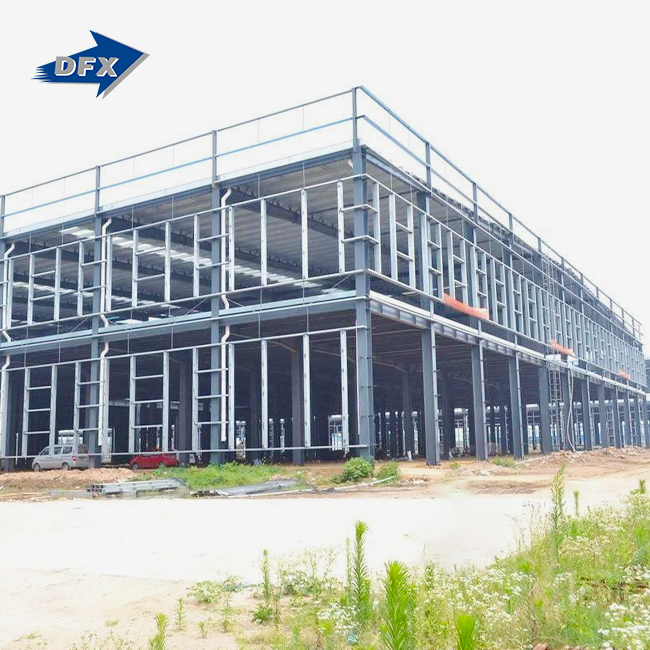
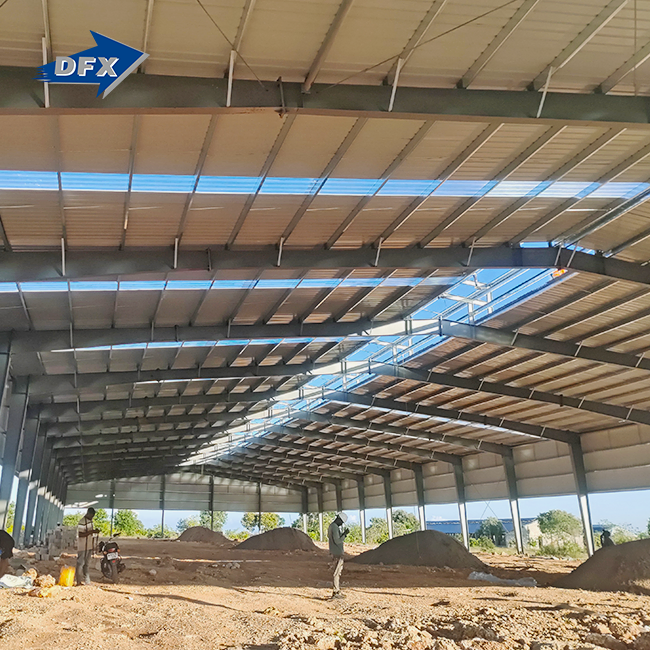
An inland fishery steel shed is a pre-engineered steel building that keeps the tanks, filters, pumps, and controls of a recirculating aquaculture system (RAS) safe from water and dirt. Its main features are clear-span framing that lets you set up the tank in a variety of ways, insulated walls that keep the temperature stable, sealed joints that keep out moisture and condensation, and a corrosion-resistant coating that lasts a long time. This book was written to help farm owners, contractors, and procurement managers find the best deals on designs, materials, and sellers before they buy. If your team wants to make a clear technical brief, read on. I'll talk about structure, climate control, RAS integration, pricing, and workflow.

Core Design of an Inland Fishery Steel Shed
What Is an Inland Fishery Steel Shed for RAS Farming?
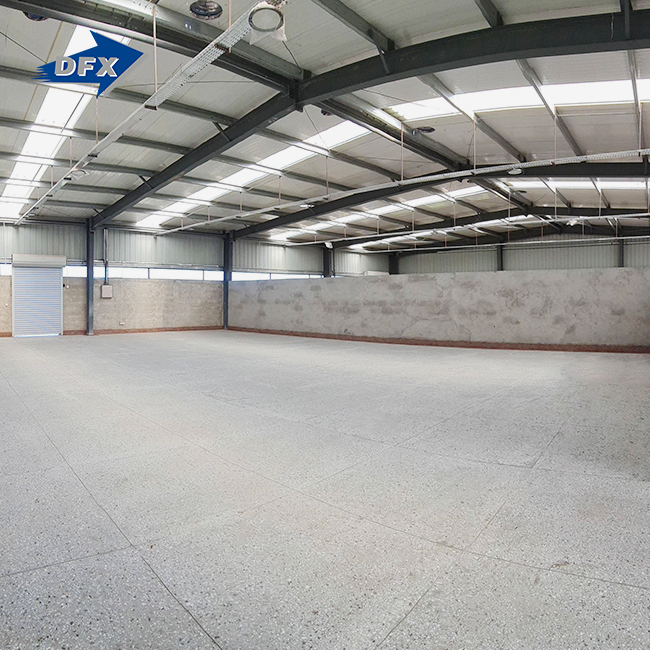
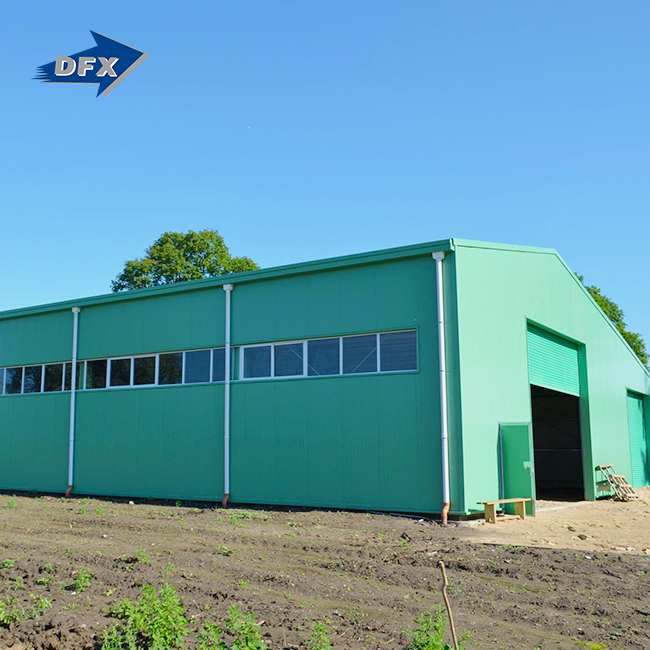
You can buy or have a steel building made for you: an inland fishery steel shed. It can be used as a hatchery, nursery, grow-out, quarantine, processing, or storage area, among other things. The box usually comes with frame parts, doors, insulation, wall and roof panels, holes for airflow, drainage features, and places to put tools. It needs to be big enough to hold control boxes, breathing equipment, feed storage, tanks, raceways, pumps, and pipes. The smell, the weather, the light, and the humidity in this building are all too much for most farm barns to handle at the same time. When you're ready, you can add utility rooms or work bays because flexible steel lets you grow in stages. The FAO said in 2022 that just over half of all marine animals raised around the world did so in aquaculture.
Key Design Requirements
The civil engineer and the RAS integrator should work together to improve the plan. What does the ceiling hold? What are the filters and tanks made of? How big are they? In what way do the screens weigh? Where are the lines going to go? Then I'll know how much weight the building can manage. It is important to plan out the clear spans, column locations, aisle sizes, and wet/dry zones so that they all work with what is being made. How are the base and floor built? What kind of ground, water level, frost, tank loads, hills, and pipe paths are used? In the US, the rules are ASCE 7. Then, your lead engineer will check the plan loads to make sure they are correct. You should make a list right away of the places that will grow and the kinds of public works that the price will pay for. Changes and downtime won't happen again thanks to this plan.
RAS Integration: Designing the Shed Around the System
The inland fishery steel shed should have been built around the RAS gear, not the other way around. Make sure you know how big the tank is, how far the filter can reach, how the pump will get to it, where the pipes go, how much power the building needs, where the monitors and control boxes will be, and how much air it needs before you sign off on the plan. When holes are blocked, airflow, water lines, drains, ducts, and A/C systems should all be able to get through. Make sure there is enough room for backup pumps, generators, emergency airflow, fire safety, and cleaning up spills. For fish to stay alive, the water and air must always be moving. Protect people and things by putting up handrails, stairs, safety lights, floors that won't slip, and separate paths. Every day, these little things do make a big difference in how well work gets done.
Environmental Control and Materials
Ventilation, Insulation, and Waterproofing
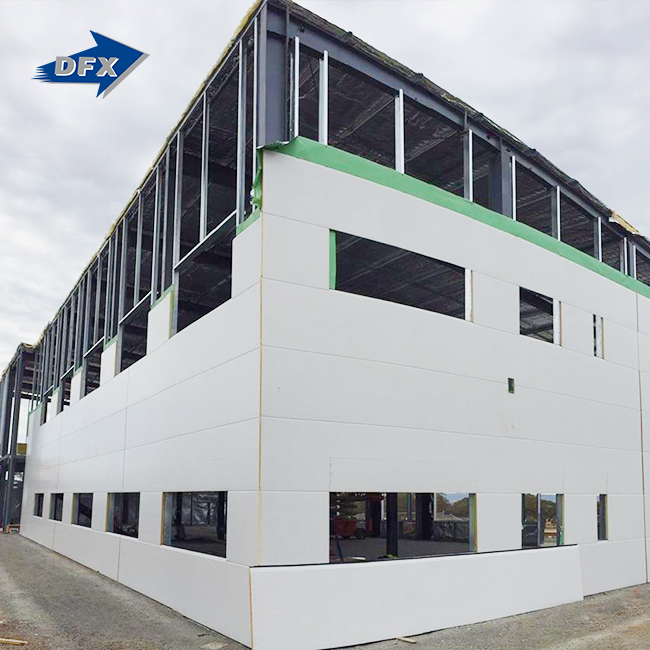
In a RAS building with open water and equipment that is always moving, there may be mist, heat, and smell. It is important to have enough fresh air, exhaust movement, heat recovery, and dehumidification. Also, it is best to keep wet and dry places separate. When the sandwich walls are made of rock wool, EPS, PIR, or PU bases, the temperature stays more stable. That means the building doesn't need as much heating or cooling. We make sure that every project has the right core type by using DFX's two lines of sandwich panels. It's important to waterproof all of the panel joints, hills, roofs, holes, and service slots. Something that blocks vapor, flashing that is sealed, and surfaces that can be washed all help keep things clean. Also, make sure you follow the local rules for aquaculture. By doing these things, you can keep tanks and electrical equipment from getting wet.
Steel Materials and Corrosion Protection
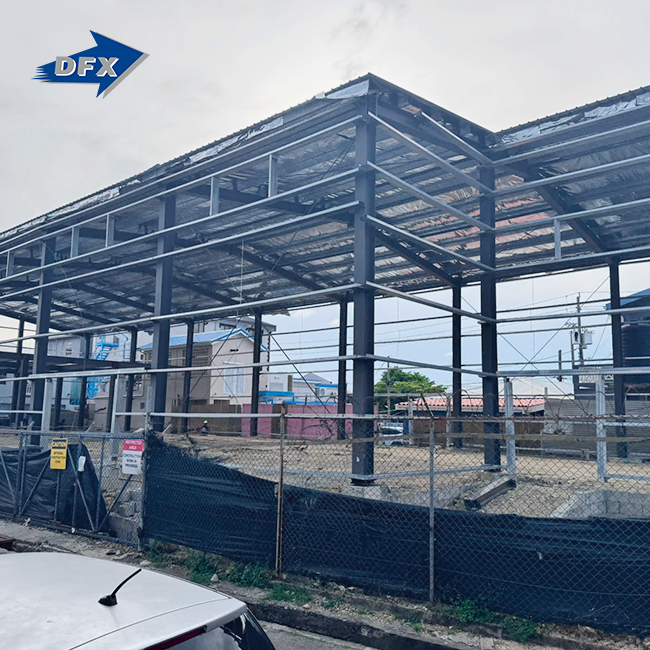
If you want your fish farm to last a long time and not cost a lot to keep up, make sure you use the right materials. In the US, ASTM A123 is the set of rules for hot-dip galvanized steel. For a long time, it keeps corrosion away. At first, they might be cheaper; you can pick any color, and it's easy to set them up yourself. You should let your provider know about mineral buildup, cleaning products, humidity, and germ killers. ISO 12944 helps people who are buying things find covering systems that can handle different kinds of rust. They are made of heavy-duty steel that has been treated to keep it from rusting. They hold up the animal houses. When we make our farming frames, we pay the same amount of attention. Check out how the metal parts, welds, bolts, base plates, and platforms are put together. Check the drains, coats, and seals often.
Steel Shed vs. Traditional Fishery Buildings
It is easier to add on to a steel shed that has already been made and can be put together faster. It also has more standard parts. Even so, concrete is still good for buildings that need to last a long time, are heavy, or are made to do a certain job. It just takes more work and more time to build. The issues with a standard growing shed aren't as bad as those with an aquaculture building. There are strict rules about how to keep the building clean, prevent rust, manage high humidity, and a lot of water flowing. So, when someone wants to buy something, I tell them to look at the value over a long period of time instead of the monthly price. Some of the things that can change the long-term costs are how well the insulation stops rust, how easy it is to clean, and how much it can grow. It could cost you more in the long run if you pay less than these things are worth.
Choosing a Supplier and Planning the Purchase How to Choose a Manufacturer or Supplier
You should make a detailed report before you ask for prices. Place, weather, size, type of fish, RAS plan, temperature inside, insulation goals, airflow, corrosion exposure, local building rules, and delivery terms should all be written down. Next, a good provider will give you engineering sketches, structural calculations, more information on how to set up the system, and specifics on how to connect the parts. To get the plant check, the certs, and to learn about the different kinds of steel and how to weld them, read this. The first DFX meeting was held in Qingdao in 2011. There are 40,000 square meters of space to make things, and more than 200 people work there. This is the CE mark on our steel buildings. These are the ISO9004, CE, COC, and PVOC signs on our animal homes. When engineering and production are done by the same company, it is also possible to plan and make small changes.
Price and Procurement Considerations
An outdoor inland fishery steel shed for fishing in fresh water costs a certain amount based on its size, weight, design loads, insulation, coating, ventilation, doors, platforms, drains, supports, transport, installation, and any technical work that needs to be done in the area. You should be able to see what the panels are made of, how they are packed, how well they work, how long the warranty lasts, and how much it costs to install them. They all want and need different things. Every farmer worries about how stable their business is and how it can get bigger. Those who are in charge of buying things want everyone to follow clear rules. Engineers look over the data and the links. They also think about how many times they can order. DFX sends a steel building to a buyer one project at a time. Make sure you agree on the moving tools, workers, safety, and tasks that need to be done before you sign.
Recommended Design and Procurement Workflow
People who don't agree on the design and people who have to wait a long time for installation are less likely to happen when the process is clear. Next, think about the dirt, the weather, the resources, the way to get there, your output goals, and any permits you may need. Next, put the steel building and the RAS plan together. Know where the utility paths, service halls, and equipment rooms are. After that, you need to choose the type of steel, paint, insulation, covering, ventilation, drainage, and side door. Before you start building, read the plans, load factors, links, places, bill of materials, and note who is in charge of what. Everything is checked, labeled, and the base is checked before the project is turned over. The frame is lined up, the panels are sealed, and the water is drained. DFX shows you how to make engineering projects and put them together.
Mistakes, Checks, and Product Fit
Common Mistakes to Avoid
When someone uses an aquaculture building like any other farmhouse, bad things start to happen. So that water doesn't build up and damage your electrical or RAS gear, there should be enough airflow, thin insulation, or good drainage. Mold can also grow. Plan ahead if you want to grow in the future. Don't make it hard to get to lines, tanks, pumps, or filters. The first quote's price per square meter shouldn't be used to judge the others. Differences in engineering, materials, bonuses, and guarantees can be hidden by that number. Last but not least, make agreements that spell out who is in charge of the testing, finishing, installation, RAS equipment, electrical systems, permits, ventilation, foundations, and floors. When the lines are clear, there are no more fights.
Final Checklist for Selecting the Best Shed
Before you give the go-ahead, make sure that the RAS design is followed when it comes to gear lines, growth plans, loads, base links, and clear gaps. It talks about the type of steel, the coating, the insulation, the airflow, the dehumidification, the closing, the drains, the emergency systems, the exits, and how to get in and out. It says what the product comes with and doesn't come with, how it will be shipped and set up, the warranty, any extra parts, and how to get help after the sale. Then, find out how much experience the supplier has with drawing engineering plans, working in wet factories, quality control, export logistics, and talking to engineers in a clear way. Print this list, check each item off, and then send back to the supplier any blanks before you sign. Getting an inland fishery steel shed might be a good business move if you make an honest short list of the things you need to do first.
DFX Steel Structure Options for Livestock and Fishery Projects
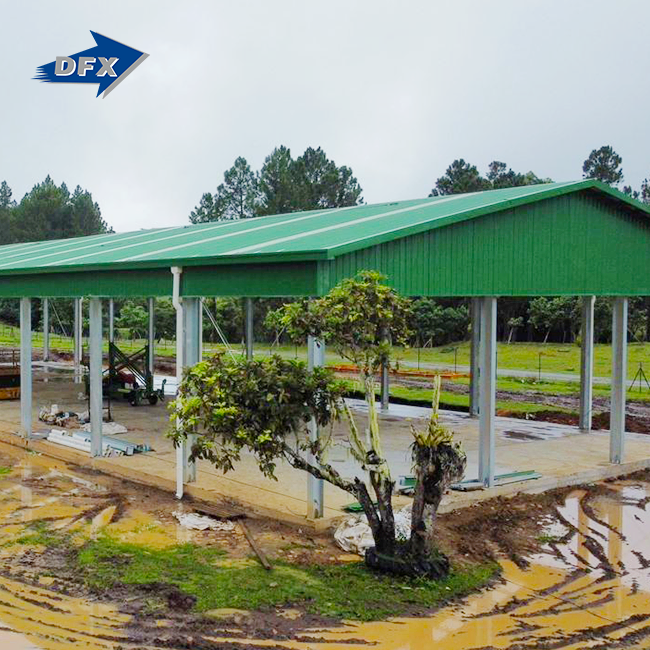
Farms that raise cows or dairy products can buy steel animal shelters that are open or partly covered. Helpers and beams are made of strong steel that doesn't rust. These come from China. It is part of the service to plan and build the tools and show people how to set up their work. Delivery is based on what you need. For each job, we make a new cover based on how your tanks are set up and the temperature data you give us. The RAS rooms stay warm and dry this way. Every year, our plant can also make 50,000 square meters of sandwich panels and 8,000 tons of steel in C and Z shapes. We can sell frames, roofs, and siding all at the same time within that price range.
Conclusion
An inland fishery steel shed in the middle of the country can keep your RAS gear and fish safe by controlling the temperature, humidity, cleanliness, and structural loads. Your plan should be based on tanks, filters, and lines, as this article showed. There should be clear gaps, safe penetrations, and room to grow. Less condensation can form if the walls are insulated, air flows through, the air dries out, and the door is closed. It will last longer if you paint or coat the building in a way that meets ISO 12944 guidelines. It takes longer to build many concrete buildings, and they can't be made bigger if needed. But steel buildings that are already built can be. Don't look at the price per square meter. Instead, think about how much the house will be worth in the long run. You can stay away from most mistakes if you have a clear contract, similar quotes, a staged process, and a thorough technical outline. How you plan is more important than how much the frame costs.
FAQ
Q1: What details should I send for a quote?
You should send the address of the building, the type of fish it raises, how many it can make, its RAS plans, its insulation goals, the amount of air it needs, and its clear span. Once our professionals know these things, they can make a plan and a list of what they need.
Q2: Should I choose galvanized or painted steel?
Some rooms are hard to clean and fix up because they are wet and smell like acid. Steel that has been galvanized can be found here. At first, it might be cheaper and easier to paint steel. Which one is best for you will depend on how wet it is, how often you clean it, and how you plan to keep its shape.
Q3: Does DFX handle installation?
As part of our business, we help set up, write engineering plans, and make things. They can answer any technical questions that come up during the build. They will also follow our plans and drawings as they work on the project in your area.
Q4: How do you control condensation?
Air barriers, ventilation, dehumidification, walls that keep heat in, joints that are sealed, and wet-dry zones should all be put in place. The tanks and other tools stay dry because of these steps that keep the bottom of the roof dry. For the room you want to keep cool, choose a method that works for you.
Request an Inland Fishery Steel Shed Quote from DFX
Are you looking for a business that can help you with your RAS building plans and make inland fishery steel sheds for fishing big game? DFX has a 40,000-square-meter plant and steel buildings that are approved by the CE. The company also has its own design team. They can help you with any part of your job, from making plans to getting everything together. Thanks for the email. We'll send you a clear quote as soon as we know your RAS plan, temperature, and size. You can go to dafanggangjiegou.aixdb.cn to learn more about the project.
References
1. FAO, The State of World Fisheries and Aquaculture, 2024
2. Timmons and Ebeling, Recirculating Aquaculture (3rd Edition), 2013
3. ISO 12944-1, Paints and Varnishes: Corrosion Protection of Steel Structures by Protective Paint Systems, 2017
4. ASTM A123/A123M, Standard Specification for Zinc (Hot-Dip Galvanized) Coatings on Iron and Steel Products, 2017
5. ASCE/SEI 7, Minimum Design Loads and Associated Criteria for Buildings and Other Structures, 2022
6. ANSI/AISC 360, Specification for Structural Steel Buildings, 2022
Learn about our latest products and discounts through SMS or email