- English
- French
- German
- Portuguese
- Spanish
- Russian
- Japanese
- Korean
- Arabic
- Greek
- German
- Turkish
- Italian
- Danish
- Romanian
- Indonesian
- Czech
- Afrikaans
- Swedish
- Polish
- Basque
- Catalan
- Esperanto
- Hindi
- Lao
- Albanian
- Amharic
- Armenian
- Azerbaijani
- Belarusian
- Bengali
- Bosnian
- Bulgarian
- Cebuano
- Chichewa
- Corsican
- Croatian
- Dutch
- Estonian
- Filipino
- Finnish
- Frisian
- Galician
- Georgian
- Gujarati
- Haitian
- Hausa
- Hawaiian
- Hebrew
- Hmong
- Hungarian
- Icelandic
- Igbo
- Javanese
- Kannada
- Kazakh
- Khmer
- Kurdish
- Kyrgyz
- Latin
- Latvian
- Lithuanian
- Luxembou..
- Macedonian
- Malagasy
- Malay
- Malayalam
- Maltese
- Maori
- Marathi
- Mongolian
- Burmese
- Nepali
- Norwegian
- Pashto
- Persian
- Punjabi
- Serbian
- Sesotho
- Sinhala
- Slovak
- Slovenian
- Somali
- Samoan
- Scots Gaelic
- Shona
- Sindhi
- Sundanese
- Swahili
- Tajik
- Tamil
- Telugu
- Thai
- Ukrainian
- Urdu
- Uzbek
- Vietnamese
- Welsh
- Xhosa
- Yiddish
- Yoruba
- Zulu
How Long Does a Steel Structure Garage Last?
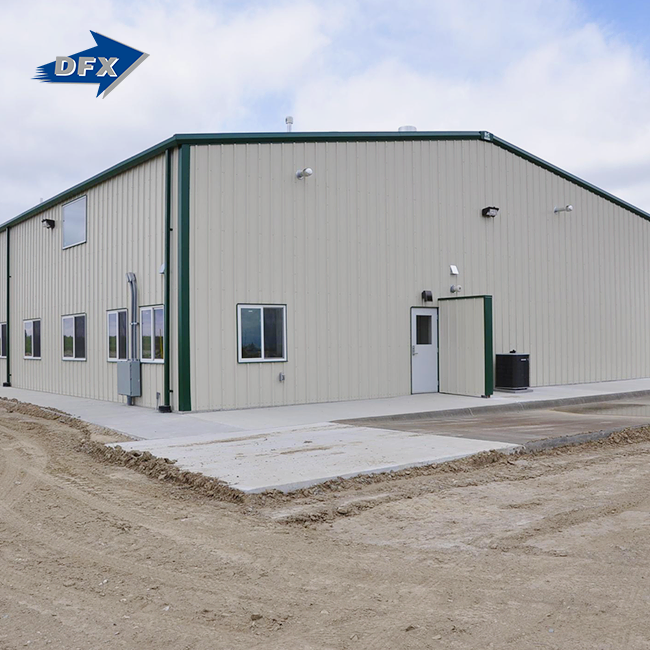
A steel structure garage typically lasts between 20 and 50+ years, depending on material quality, protective coatings, and how well the structure is maintained. Prefabricated steel garages built with Q355B or ASTM A572 Grade 50 steel, hot-dip galvanized to> 85 μm coating thickness, commonly exceed 50 years of service life with routine care. Compared to wood or aluminum alternatives, steel resists pests, rot, and fire while handling heavy structural loads. For industrial buyers—whether you're managing a fleet depot, equipment yard, or maintenance shed—understanding what drives longevity helps you make a smarter procurement decision from the start.

Understanding the Lifespan of Steel Structure Garages
Material Quality and Steel Grade
How long a garage frame will last under stress from weight and the environment is directly related to the grade of steel used in its construction. With a yield strength of ≥355 MPa, Q355B steel (which is the same as ASTM A572 Gr50) is often used for main frames. Q235B is usually used for secondary members. Higher-grade steel is much better at keeping its shape in the face of wind, snow, and dynamic loads than lower-grade steel. This is especially true in industrial settings like fleet repair facilities or equipment storage yards.
Protective Coatings and Surface Treatments
Hot-dip galvanization with a coating thickness of 85µm or more protects against oxidation for a long time, even in coastal or high-humidity areas. Before putting on an epoxy zinc-rich filler, shot blasting to the Sa2.5 grade adds another layer of protection against rust. The American Galvanizers Association says that steel that has been properly galvanized can not rust for 50 to 70 years in mild industrial settings. These changes to the surface are not just for looks; they are engineering choices that directly increase the service life of the structure.
Prefab vs. Custom-Built Options
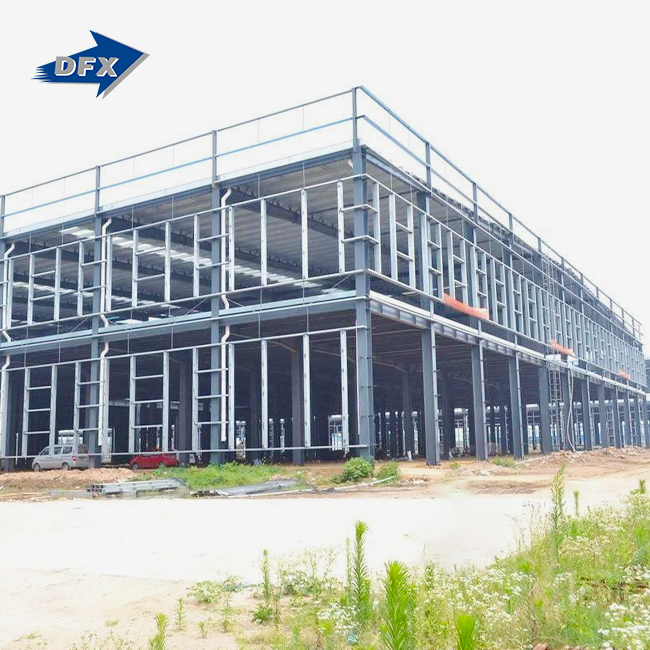
Prefabricated steel garages use pre-engineered parts like H-section beams, C/Z purlins, and welded secondary frames that are put together on-site using bolted connections. Compared to concrete, this method cuts down on building time by up to 50%. Custom-built choices let you figure out the load on a particular site, change the span by up to 60 meters, and use special base anchoring. When B2B procurement teams are looking for garages for industrial parks, logistics hubs, or service centers, custom engineering usually results in a structure that lasts longer because it takes into account the specific weather conditions and needs of the users.
Key Factors Affecting the Longevity of Steel Structure Garages
Routine Maintenance Practices
No building keeps itself up. Check for surface rust at bolt joints, covering wear on purlins, and any signs of water pooling near column bases once a year. Painting over places that get a lot of wear and tear every 5–7 years and reapplying protection sealants around roof penetrations keeps water out. Industrial users in seaside areas or areas with a lot of rain should do inspections twice a year instead of once a year. Prevention is much cheaper than fixing things that are broken, and it keeps your asset working well into its third or fourth decade of use.
Environmental and Climate Conditions
The environment where you live is one of the main factors that affects how long a garage lasts. Heavy snow (above 0.5 kN/m²), hurricane-force winds, or air from the coast that is full of salt all put more stress on structures and speed up surface wear. Design engineers use programs like PKPM and Tekla Structures to figure out the loads that are unique to a certain area and then size the beams to match. If you build a garage for a warm environment in the middle of the country, it will need different specs than one you put in a port or a high-altitude snow zone. For long-term performance, you must match the design parameters to the conditions of your site.
Foundation and Installation Quality
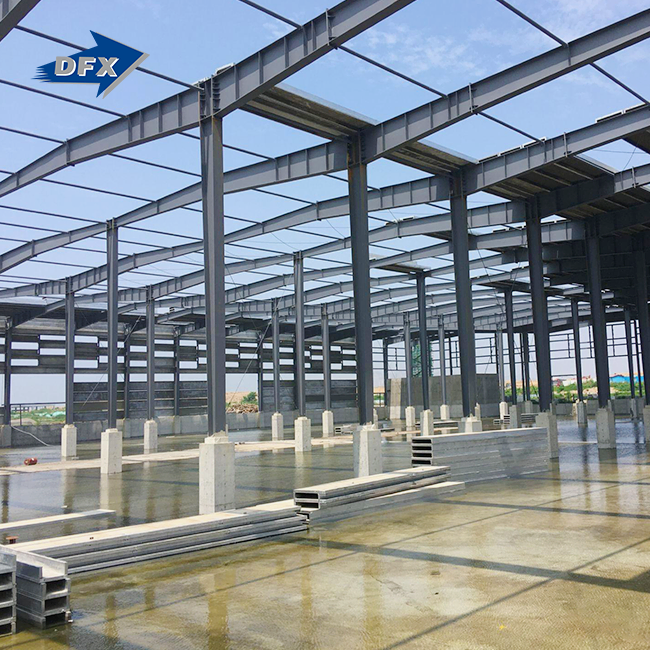
If the base isn't strong enough, even the best-built steel frame will break down quickly. Cast-in-place concrete foundations with embedded anchor bolts (M24–M72, depending on column load) make a base that is rigid and stable and stops movement and differential settlement. Stress concentrations that shorten service life are caused by bad installation, such as columns that aren't lined up right, bolts that aren't torqued enough, or base plates that aren't grouted enough. As important as the steel itself is, a China steel structure garage is installed by a professional with records of bolt tightness and level checks that can be checked. Fabricators and erection teams with a lot of experience write down and check these details.
Steel Structure Garage vs. Alternative Materials: Lifespan and Durability Comparison
Steel vs. Wood
It is possible for wood garages to sustain damage from termites, dry rot, mould, and fire. Within ten to fifteen years, a frame made of untreated wood may become disassembled in environments that have a high level of humidity or that are tropical. Neither of these methods can cause a frame made of steel to shatter. Light-gauge steel framing is said to have a lifespan that is two to three times longer than comparable wood framing when exposed to the same sort of weather, according to the Steel Framing Industry Association. Steel is the material of choice for commercial purchasers who want structures that will continue to function well over extended periods of time without degrading biologically.
Steel vs. Concrete and Aluminum
Despite the fact that concrete structures have a high tensile strength, they are cumbersome, require a significant amount of time to construct, and are expensive to modify. Aluminium is a material that is not only resistant to corrosion but also lightweight. As a result of this, it is not suitable for the storage of heavy equipment or for doing maintenance work that requires the use of overhead cranes. Steel is not only lightweight enough to save money on foundations, but it is also robust enough to support long straight spans. Furthermore, when it comes time to leave, steel can be recycled. The overall lifetime costs of a steel garage are often cheaper than those of the other two alternatives, taking into consideration the speed with which it can be constructed, the amount of money it costs to maintain, and the fact that the materials can be reused.
Lifecycle Cost Data
On average, pre-engineered metal structures have a life-cycle cost that is twenty to thirty percent cheaper than that of conventional construction over a period of thirty years, according to statistics compiled by the Metal Building Manufacturers Association (MBMA). This lower cost is a result of the fact that fewer personnel are required during construction, that maintenance is performed less often, and that steel has a high value when it is no longer required. In the context of procurement managers who are considering capital expenditures, these data instantly translate into a verifiable return on investment.
Cost Analysis and Value Proposition: Lifespan vs. Investment Initial Cost vs. Total Cost of Ownership
The initial cost of a steel-frame garage may be higher than that of a wood-frame garage, but the total cost of ownership over 30 to 50 years is very different. Less frequent upkeep, no costs for pest control, and almost no fixes due to rot all add up to a lot less money spent over time. When industrial managers think about these savings, they always say that steel buildings pay for themselves in 8–12 years of use, and then the money-saving benefits keep growing every year.
Real-World Application Data
Steel garages are used in a wide range of business-to-business settings, including mining equipment bases in Australia, fleet repair centers in Southeast Asia, and storage facilities for farm equipment in the Midwest of the United States. A lot of these structures have been up and running for 25 to 35 years with only minor repairs to the outside. All of them have one thing in common: they are all made to high standards that have been checked (ISO9001, CE), they all have good foundations, and they all get inspected every year. These examples from real life show that a 50-year service life is not just a theory for a steel structure garage.
Warranty and After-Sales Support
Reliable steel structure suppliers back their goods with structural warranties that cover the main frames for 10 to 25 years and the finishes on the outside for 5 to 10 years. How long a building lasts in real life is directly related to how well it is supported after the sale. This includes installation drawings, on-site help for setting up, and the availability of spare parts. When looking at different suppliers, make sure you know exactly what the warranty covers, what kind of upkeep is needed to keep it current, and if there is expert help available in your area. The difference between a provider who stands behind their goods and one who doesn't is these small things.
Choosing the Right Steel Structure Garage for Maximum Longevity
Material Certifications and Supplier Standards
When searching for suppliers, it is recommended to seek those that have both the ISO9001 quality management certification and the CE structural certification. When a product has certifications for both COC and PVOC, it satisfies a greater number of international standards, which are much more relevant for particular export markets. These certifications are more than just paper records; they demonstrate that the techniques of weld inspection, the means by which materials may be monitored, and the procedures by which things are created do, in fact, meet the criteria that have been established by independent auditors. A trained fabricator is able to produce structures that are of consistently excellent quality, which ensures that they will survive for a considerable amount of time.
Customization for Site-Specific Conditions
There are distinct structural requirements for a steel garage that is constructed for an agricultural complex in the Midwest as opposed to a garage that is constructed for a logistics center on the coast in Texas. The column spacing, eave height, roof slope, cladding type (single steel sheet vs. rockwool sandwich panel for insulated purposes), and base bolt size are all factors that need to be taken into consideration in order to ensure that they are compatible with the loads and requirements of your site. By having the supplier do its own engineering and design work, such as structural calculations, base design, and installation plans, you will have a greater degree of control over the degree to which something will function effectively over the course of time.
Installation and Ongoing Support
Because a 100% permanent connection technique eliminates the necessity for on-site welding, it reduces the amount of fluctuation in quality as well as the amount of money spent on labour. It is possible to achieve greater speed and accuracy in assembly by using components that have already been punched and drilled. After the structure has been put into operation, a provider that provides your operations team with care documentation, bolt torque records, and frequent inspection checklists will ensure that it continues to be in excellent condition. One thing that differentiates a one-time purchase of equipment from a long-term investment in infrastructure is the amount of assistance that is provided after the transaction has been completed.
Conclusion
If you follow good engineering practices and use high-quality steel grades and protective coatings, a steel structure garage should last at least 50 years. The real service life is affected by the choice of materials, how they are treated on the outside, the quality of the foundation, the design of the environment, and regular upkeep. If you are a business owner in the construction, manufacturing, agriculture, or infrastructure industries, investing in a properly specified prefabricated steel garage will give you long-lasting structural performance that other materials just can't match at the same cost. The best way to make sure your structure lasts as long as possible is to buy from a supplier with verified certifications, in-house engineering, and clear warranty terms.
Frequently Asked Questions
1. How often should a steel garage be inspected?
Annual inspections are standard practice for most industrial steel garages. In high-corrosion environments—coastal areas, chemical processing sites, or high-humidity regions—twice-yearly inspections are advisable. Each inspection should check bolt connections, surface coatings, drainage around column bases, and roof panel seals.
2. Can a steel garage withstand heavy snow or high winds?
Yes. Structural designs are calculated using engineering software (PKPM, Tekla Structures) to account for regional snow loads above 0.5 kN/m² and wind speeds exceeding 120 km/h. Beam sizes and bracing configurations are adjusted based on your specific location's load requirements.
3. What warranty coverage is typical for steel garages?
Primary structural frames typically carry 10–25 year warranties from qualified manufacturers. Surface coating warranties generally cover 5–10 years. Coverage terms depend on whether the installation follows the manufacturer's specifications and whether routine maintenance has been documented.
4. How does steel perform in extreme weather compared to wood?
Steel is not affected by moisture-driven rot, insect damage, or freeze-thaw cycling in the way wood is. In hurricane-prone or heavy-snow regions, steel frames consistently outperform timber structures in both survival rates and post-event repair costs.
Get a Quote for Your Steel Garage Project — Contact DFX Today
Since 2011, DFX (Qingdao Director Steel Structure Co., Ltd.) has been making and delivering prefabricated steel structure garage systems. They are certified by ISO9001, CE, COC, and PVOC. As a steel structure garage manufacturer with more than 12 years of experience, we include standard design, fabrication, and full installation drawings with every order. Our short production cycle also helps you stay on schedule with your project. Send the details of your project to jason@bigdirector.com, and within 48 hours, you'll get a personalized engineering quote.
References
1. American Galvanizers Association. Corrosion Protection: The Role of Zinc Coatings. 2021.
2. Metal Building Manufacturers Association (MBMA). Metal Buildings Systems Manual. 2022.
3. Steel Framing Industry Association (SFIA). Durability of Steel Framing in Residential and Commercial Construction. 2020.
4. American Institute of Steel Construction (AISC). AISC 360-22: Specification for Structural Steel Buildings. 2022.
5. International Organization for Standardization. ISO 9001:2015 Quality Management Systems — Requirements. 2015.
6. National Association of Corrosion Engineers (NACE International). Corrosion Costs and Preventive Strategies in the United States. 2016.
Learn about our latest products and discounts through SMS or email