- English
- French
- German
- Portuguese
- Spanish
- Russian
- Japanese
- Korean
- Arabic
- Greek
- German
- Turkish
- Italian
- Danish
- Romanian
- Indonesian
- Czech
- Afrikaans
- Swedish
- Polish
- Basque
- Catalan
- Esperanto
- Hindi
- Lao
- Albanian
- Amharic
- Armenian
- Azerbaijani
- Belarusian
- Bengali
- Bosnian
- Bulgarian
- Cebuano
- Chichewa
- Corsican
- Croatian
- Dutch
- Estonian
- Filipino
- Finnish
- Frisian
- Galician
- Georgian
- Gujarati
- Haitian
- Hausa
- Hawaiian
- Hebrew
- Hmong
- Hungarian
- Icelandic
- Igbo
- Javanese
- Kannada
- Kazakh
- Khmer
- Kurdish
- Kyrgyz
- Latin
- Latvian
- Lithuanian
- Luxembou..
- Macedonian
- Malagasy
- Malay
- Malayalam
- Maltese
- Maori
- Marathi
- Mongolian
- Burmese
- Nepali
- Norwegian
- Pashto
- Persian
- Punjabi
- Serbian
- Sesotho
- Sinhala
- Slovak
- Slovenian
- Somali
- Samoan
- Scots Gaelic
- Shona
- Sindhi
- Sundanese
- Swahili
- Tajik
- Tamil
- Telugu
- Thai
- Ukrainian
- Urdu
- Uzbek
- Vietnamese
- Welsh
- Xhosa
- Yiddish
- Yoruba
- Zulu
How Does a Waste Recycling Steel Workshop Operate?
A Waste Recycling Steel Workshop operates through a systematic process that transforms scrap metal into reusable industrial materials. At its core, the facility receives mixed steel waste from various sources—automotive shredding, end-of-life industrial equipment, construction debris, and manufacturing offcuts. Upon arrival, materials undergo rigorous sorting to separate ferrous metals from contaminants like plastics, rubber, and non-ferrous metals. Advanced magnetic separators and manual inspection stations ensure purity before the scrap moves to processing zones. Heavy-duty shredders and balers then reduce volume and prepare materials for melting. Throughout this workflow, the structural integrity of the workshop itself plays a critical role, requiring robust steel framing capable of withstanding constant vibrations, heavy machinery loads, and corrosive environments inherent to recycling operations.

Understanding the Waste Recycling Steel Workshop Workflow
Steel recycling plants follow a carefully planned series of steps that are meant to get the most material back while still meeting safety and efficiency standards.
Collection and Initial Sorting
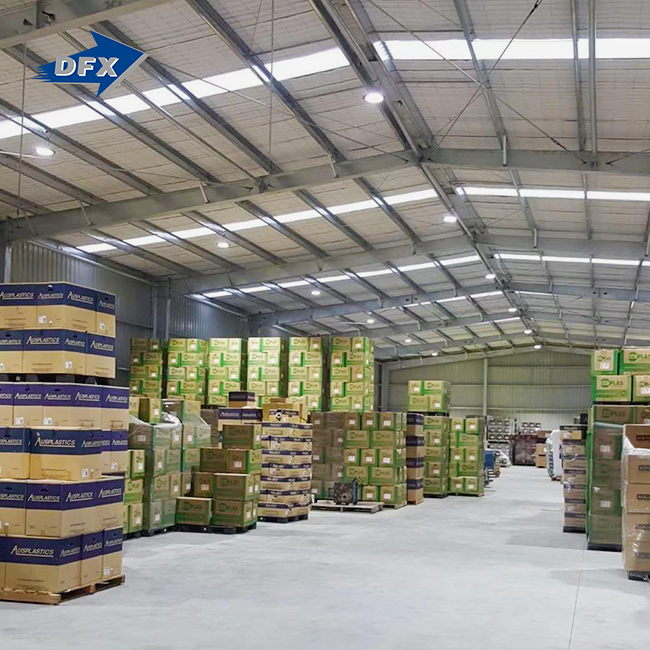
As soon as scrap arrives at the facility, operators do quick checks to sort it into groups based on its type and level of contamination. Handling carbon steel from buildings that have been torn down is different from handling stainless steel from food processing equipment or alloy steel from aeroplane parts. Wheel loaders move materials across special floors for tipping. For these areas to be able to handle heavy equipment's concentrated point loads, they must have strengthened concrete supports under the steel structure. The clear-span design of the workshop, which usually ranges from 24 to 60 metres, lets machines move freely without internal columns getting in the way of work.
Processing and Size Reduction
Once the items have been sorted, they are processed, where industrial shredders cut them up into smaller pieces that can be handled. This stage makes a lot of noise and shaking, which requires special structural engineering. The operations are held up by a steel frame made of Q355B high-strength structural members connected in a way that reduces vibration. Material is moved from one station to another by overhead bridge cranes that can hold up to 50 tonnes. To keep these cranes from wearing out too quickly, the runway beams must be perfectly lined and have tolerances of no more than 2 mm. This is a very specific requirement that needs expert manufacturing and installation direction.
Quality Control and Baling
As scrap is processed, it goes through magnetic separators, which get rid of any non-metallic contaminants that are still there. Optical sorters and eddy current filters improve the purity of the material even more, which is especially important when working with mixed metals. Sorted steel is pressed into thick blocks by hydraulic balers. This cuts down on shipping costs and improves furnace charging at mills further downstream. The workshop has high eave heights (10 to 15 metres) that make room for vertical baling presses and overhead systems for moving materials that use gravity-fed sorting mechanisms.
Environmental and Economic Benefits of Steel Recycling Workshops
Modern recycling programmes offer measurable benefits that go beyond just getting the materials back.
Environmental Impact Reduction
About 74% of the energy needed to make new steel from iron ore is saved when steel is recycled. About 1.5 tonnes of carbon dioxide are saved, and less mining trash is made for every tonne of recovered steel. The structure of the workshop is environmentally friendly because it is made of 100% recyclable materials and has galvanised or PVDF-coated parts that won't rust for decades. This makes replacement cycles shorter, which is better for the environment. Proper ventilation systems built into the building design capture fugitive dust emissions, and placing loading docks strategically cuts down on the time trucks have to idle while moving materials.
Economic Value Creation
Manufacturing companies know that recycled steel is a cheaper alternative to new materials because it has already been used. The market price for recycled steel is usually 20–30% less than the cost of making new steel. This means that budgets for materials for plant growth or new production units are better. Facilities that make a lot of scrap, like auto parts factories, metal fabrication shops, or shipbreakers, sell that scrap to make money to cover the costs of getting rid of it. Partnerships with approved wastewater Recycling steel workshop waste in steel workshops. Workshops slow the rules for extended producer responsibility that are becoming more popular across all industries.
Circular Economy Integration
When waste recycling steel workshops work as linked network nodes, they help industrial supply lines. To make it easier to get back the materials they take from demolition projects, construction companies can work directly with workshop owners who offer roll-off bins and regular returns. This closed-loop method lowers the costs of dumping trash in landfills and makes sure that steel manufacturers always have enough materials. The flexible design of pre-engineered recycling buildings lets them quickly increase their capacity. Adding more bays or lean-to extensions can handle more scrap without stopping operations.
Operational and Safety Best Practices in Steel Recycling Workshops
Following set procedures throughout daily operations is necessary to keep output quality and worker safety consistent.
Contamination Prevention
The entry point is where effective division starts. Separate storage areas keep different grades of steel from mixing, which is very important because even small amounts of copper contamination can make whole batches useless for some uses. This split is made easier by the workshop plan, which has clearly marked floor zones and signs above them. Insulated sandwich panels used to build wall partitions keep out materials that don't mix well and keep processes that need to be sensitive to temperature, like processing e-waste, cool.
Worker Protection Measures
Working with heavy machinery, moving overhead loads, and being close to metal edges that aren't smooth all create risks. Personal protective items like cut-resistant gloves, steel-toed boots, hard hats, and high-visibility vests are required by comprehensive safety plans. The design of the building promotes safety by including enough lighting (at least 300 lux in processing areas), clearly marked walkways for people that are separate from equipment paths, and emergency exits that are no more than 30 metres from any workstation. Fire control systems with high-volume sprinklers and smoke vents reduce the risks of fire caused by paper and plastic toxins that are often mixed in with scrap.
Regulatory Compliance
To get an operating permit, you have to show that you follow the rules for noise levels, water flow, and air pollution. Acoustic insulation solutions, like perforated metal lining sheets backed with rockwool filling, cut outside noise by 20 to 30 decibels while still meeting industrial zoning requirements. Runoff from outdoor storage yards is collected by stormwater management systems, which then send it through oil-water separators before letting it flow into the environment. Third-party audits are done on a regular basis to make sure that ISO 14001 environmental management standards and OSHA safety rules are being followed.
How to Start or Partner with a Professional Steel Recycling Workshop?
To find or choose a waste recycling steel workshop partner, you need to do some strategic planning that takes into account business needs and regulatory settings.
Facility Design Considerations
When choosing a site, it's important to make sure it's close to major traffic lines, both for getting scrap delivered and sending finished goods to customers. Logistics costs are lower when they are close to industrial clusters that produce steady amounts of scrap. The building size needs room for different functional areas, such as areas for receiving and tipping, processing floors, storing sorted materials, executive offices, and truck scales for accurate weight records. Future equipment changes should be able to be accommodated in the structural design specs. For example, strengthened foundation pads and more electrical capacity make it possible to put more advanced sorting technologies as they become more affordable.
Equipment Selection and Sourcing
Capital investment decisions are based on how much throughput is expected and what kind of materials will be used. A waste recycling steel workshop that mostly deals with car scrap needs strong shredders with parts that won't wear out quickly. On the other hand, a place that mostly does industrial demolition might need heavy-duty shears for cutting structural beams. Reliable crane systems are very important. For example, our buildings often support bridge cranes with electromagnets or grab buckets made just for moving trash. When purchasing managers look at steel structure suppliers for the workshop building, they should check for certifications like ISO9001 quality management, CE marking to make sure the suppliers meet European market requirements, and ASTM material standards for structural parts.
Evaluating Potential Partners
When businesses want to recycle, they should make sure the Waste Recycling Steel Workshop has the right environmental permits, liability insurance, and relationships with other businesses that can prove they will consistently take the recycled materials. Site visits show how mature operations are; well-organised buildings with little clutter show good management. Trust is built when pricing structures are clear and show how scrap grades, contamination levels, and current market indices affect purchase prices. The terms of the contract should include pick-up times, minimum number promises, and payment terms that work with the business's cash flow.
Procurement Insights: Engaging Waste Recycling Steel Workshops for Business Needs
Waste recycling: Steel workshops and businesses have more than just buy-and-sell deals. They also have strategic partnerships that help businesses run more efficiently.
Logistics Coordination
Manufacturers who make a lot of scrap benefit from planned pickup services that keep production areas clear of materials that aren't useful. Workshop partners who provide specific roll-off containers in the right sizes for production rates—from 20-yard boxes for job shops to 40-yard containers for pressing plants—make the best use of space. GPS-tracked collection vehicles and digital ticketing systems keep records of the weights of materials and when they were picked up, which supports lean manufacturing metrics.
Pricing Transparency
Understanding the things that affect value helps you make better budget predictions. The price of carbon steel scrap changes with the price of other commodities around the world. Speciality grades, like stainless steel 304 or tool steel, are more expensive because they contain more alloying elements. When the monthly volume is more than 50 tonnes, volume discounts are usually applied. Whether the Waste Recycling Steel Workshop covers transportation costs or charges for them separately has a big effect on net realised prices, especially for facilities that are far away. Some workshops offer price-protected contracts that lock in rates for 3 to 6 months. This is helpful for makers whose margins are thin and who are sensitive to changes in raw materials.
In-House Capabilities
Larger factories might think about buying basic recycling tools like balers to compact light-gauge scrap or shears to cut structural offcuts into pieces. By making things meet higher standards before they are sold, this method gets more value. The building needs for this kind of equipment are the same as those for full-sized workshops: the floors need to be strengthened to support the weight of the equipment, there needs to be enough electricity for the hydraulic power packs, and there needs to be airflow for the hydraulic oil mist. We offer full planning and manufacturing services for these uses, drawing on our 12 years of experience designing and building industrial steel buildings.
Conclusion
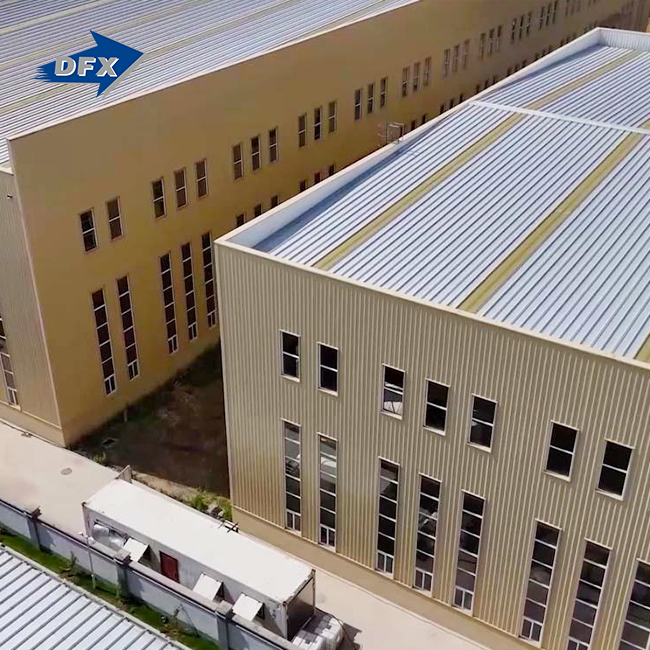
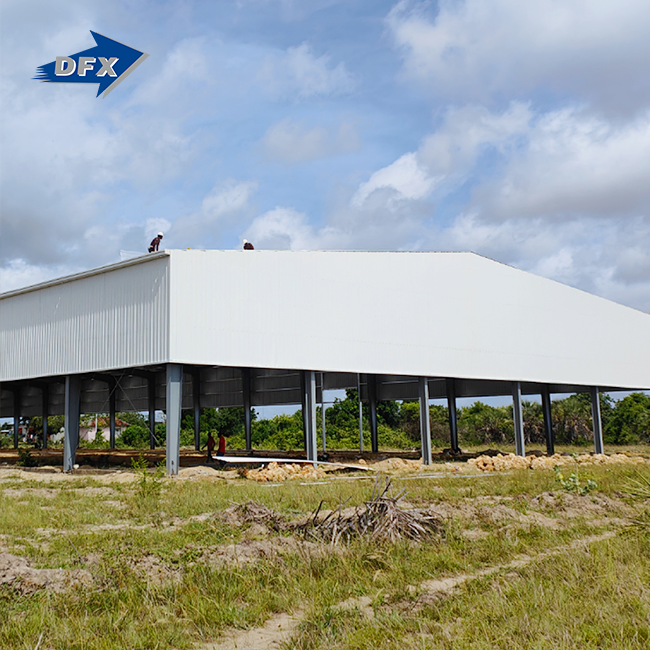
To run a successful waste recycling steel workshop, you need to carefully combine structural engineering, process efficiency, and following the rules. The building is a special kind of industrial infrastructure. Its welded H-section steel frame, bolted connections, and C/Z purlin systems have to last for decades of hard working conditions while adapting to changing equipment needs. Whether you're a building company in charge of demolition trash, a manufacturing company looking to make money off of scrap, or an entrepreneur getting into the recycling business, you need to understand these working factors. Cutting down on trash in landfills is good for the environment and makes money at the same time, which makes strong business reasons for both workshop owners and their industry partners.
FAQ
1. What types of steel generate the highest recycling value?
Because they contain more nickel and chromium, stainless steel grades, especially 304 and 316 alloys, always fetch higher prices. You can also get good returns from tool steels and unique metals. Clean, sorted carbon steel scrap from production leftovers usually sells for more than mixed removal debris that needs to be processed further.
2. How often should manufacturing facilities schedule scrap pickups?
The rate of generation and the amount of storage space available determine the pickup frequency. Job shops might plan pickups once a month, while stamping operations that do a lot of work might need service once a week. Coordinating pickups for when barrels hit 80% capacity keeps them from overflowing and makes transportation more efficient.
3. Which certifications indicate a trustworthy recycling workshop partner?
See if the company has ISO 9001 quality management certification, ISO 14001 environmental management systems, and R2 (Responsible Recycling) standards for recycling electronics. Having working permits from the state and clear records of connections with approved steel mills are two more ways to prove your trustworthiness.
Partner with DFX for Your Steel Structure Workshop Needs
To start or grow a recycling business, you need a building that is specifically made for processing scrap. Under the name Qingdao Director Steel Structure Co., Ltd., DFX has been building heavy-duty industrial structures for over 12 years and has 40,000 square metres of space for production. Our engineering team knows exactly what recycling centres need, from precise crane runway beams to finishing systems that don't rust and meet ISO 12944 C4/C5 standards. We offer full solutions for a Waste Recycling Steel Workshop that include structural planning, making H-beams out of Q235 and Q355 steel, finishing the outside, and helping with placement on-site. Contact us at jason@bigdirector.com to talk about how our ISO9001 and CE-certified products can help you reach your operational goals, whether you need a turnkey facility or a dependable steel structure supplier for your next project.
References
1. Bureau of International Recycling. (2022). World Steel Recycling in Figures 2021-2022. Brussels: BIR Ferrous Division.
2. American Institute of Steel Construction. (2020). Steel Construction Manual, 15th Edition. Chicago: AISC.
3. Environmental Protection Agency. (2021). Sustainable Materials Management: Non-Hazardous Materials and Waste Management Hierarchy. Washington, DC: EPA Office of Resource Conservation and Recovery.
4. Institute of Scrap Recycling Industries. (2023). Scrap Specifications Circular: Guidelines for Ferrous Scrap. Washington, DC: ISRI.
5. International Organisation for Standardisation. (2019). ISO 12944-2:2017 Paints and Varnishes—Corrosion Protection of Steel Structures by Protective Paint Systems. Geneva: ISO.
6. Metal Recycling Association. (2022). Best Practices Guide for Metal Recycling Facilities: Safety, Environmental Compliance, and Operational Efficiency. London: MRA Publications.
Learn about our latest products and discounts through SMS or email