- English
- French
- German
- Portuguese
- Spanish
- Russian
- Japanese
- Korean
- Arabic
- Greek
- German
- Turkish
- Italian
- Danish
- Romanian
- Indonesian
- Czech
- Afrikaans
- Swedish
- Polish
- Basque
- Catalan
- Esperanto
- Hindi
- Lao
- Albanian
- Amharic
- Armenian
- Azerbaijani
- Belarusian
- Bengali
- Bosnian
- Bulgarian
- Cebuano
- Chichewa
- Corsican
- Croatian
- Dutch
- Estonian
- Filipino
- Finnish
- Frisian
- Galician
- Georgian
- Gujarati
- Haitian
- Hausa
- Hawaiian
- Hebrew
- Hmong
- Hungarian
- Icelandic
- Igbo
- Javanese
- Kannada
- Kazakh
- Khmer
- Kurdish
- Kyrgyz
- Latin
- Latvian
- Lithuanian
- Luxembou..
- Macedonian
- Malagasy
- Malay
- Malayalam
- Maltese
- Maori
- Marathi
- Mongolian
- Burmese
- Nepali
- Norwegian
- Pashto
- Persian
- Punjabi
- Serbian
- Sesotho
- Sinhala
- Slovak
- Slovenian
- Somali
- Samoan
- Scots Gaelic
- Shona
- Sindhi
- Sundanese
- Swahili
- Tajik
- Tamil
- Telugu
- Thai
- Ukrainian
- Urdu
- Uzbek
- Vietnamese
- Welsh
- Xhosa
- Yiddish
- Yoruba
- Zulu
Can a Steel Horse Barn Withstand Harsh Weather?
A steel horse barn can resist extreme weather if the engineer develops the full construction system for the site. The welded steel frame supports wind and snow loads, and how the barn operates year after year will depend on anchoring, coatings, roof panels, drainage, and ventilation. Steel will not burn, decay, or attract termites, and this gives it a distinct advantage over timber in hay-filled structures. I’ve written this guide for farm owners, contractors, and procurement managers who want straightforward answers before they buy. I discuss weather resistance, design specifics, insulation, material comparisons, and supplier inspections below.
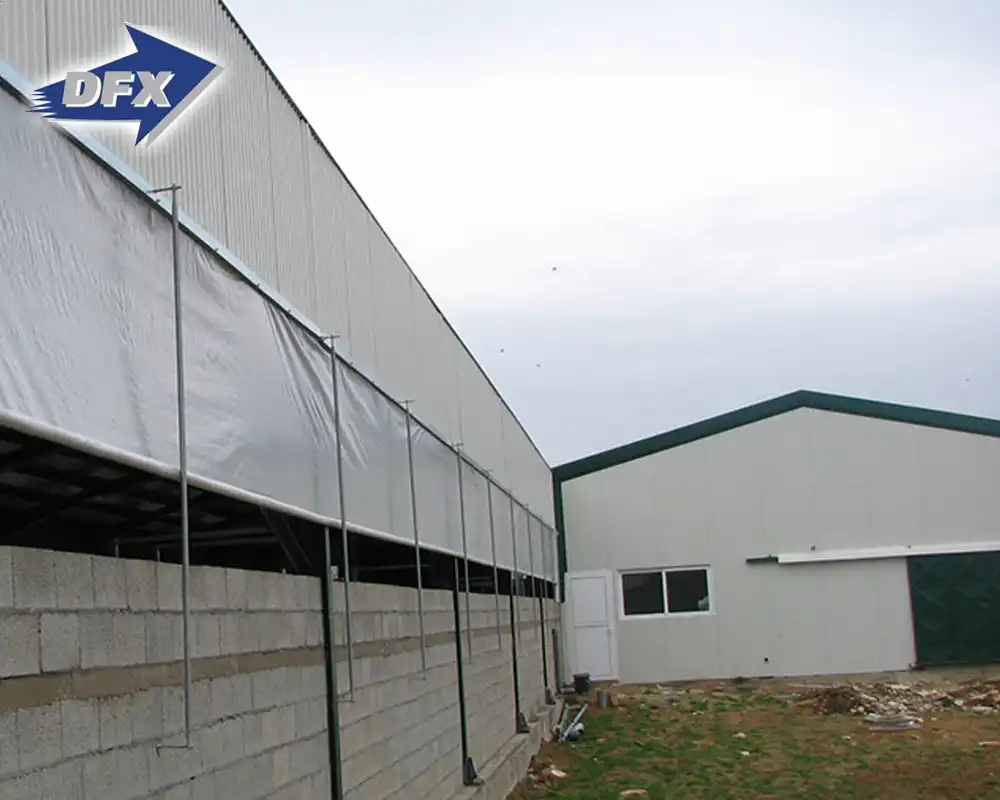
How Steel Horse Barns Resist Harsh Weather Conditions
A steel horse barn can stand up to adverse weather if the engineer designs the full site of the building. Steel frames are sturdy and can’t be damaged by wind or snow. The barn works, or not, year by year, depending on the floor, paint, roof panels, drains, and air movement. Steel is a better choice than wood for hay storage because it won't burn, degrade, or allow bugs in. This book is for the person who wants to know the truth before they buy. Like a farm owner, a worker or a boss. I talk about how to be safe, how to prepare for the future, how to handle severe weather, how to compare things, how to make sure you can trust what you read.
Wind Resistance Starts With the Frame and Anchors
The structure, the support, and the linkages must all operate together. The wind moves the roof up and down. The engineer references the wind loads in ASCE 7 and the local building code. What does the neighbourhood look like? How open is it? How large is your place? Next, the frame is anchored to the base with anchor bolts. Special attention must be given to the doors, since their breakage might let air into the barn. “When someone buys a house, they always tell me the exact address. You need to plan differently for lots that are in the country than you do for lots that are on the water.
Snow Load, Roof Pitch, and Ice
When snow blows up against walls or roof changes that are higher, it’s heavier. The ground snow value tells the engineer how much snow your area receives. The rafters, purlins, and frame members are then built to accommodate that much snow. The pitch needs to be raised to shed the snow better, but that will not compensate for how robust the building is. So keep the roof free of entrances, pathways, and paddock walls. Steel can throw huge pieces of snow off.
Rain, Humidity, and Heat
A lot of people don't know how long water hurts things. Use caulking, sealed pan joints, gutters, and pipes to keep water away from the walls. Also, the ground should slope away from the steel horse barn. They can stay cool in hot places because the tops reflect light and the sides are open. The ridge also has holes in it. They breathe better when air moves through their lungs. It is very important that steel is well protected when it is wet or near water. If you don't cover steel, water and salt can damage it. Lots that are likely to flood might need a pad that is higher.
Key Steel Horse Barn Design Requirements for Weather Resistance
Foundation, Soil, and Anchoring
A strong frame can't stand on a weak base. Based on how cold it gets where you live, you can figure out how deep the footings need to be. A geotechnical study can tell you how much weight the ground can hold. There shouldn't be more than 1/8 inch of space between the anchor bolts and the base plates that have already been cut out. There is less water on the footings and stall floors when the base material is pushed down. This is because the area drains well. The people who work on your concrete project use the drawings that were made just for you.
Steel Grade, Coatings, and Panels
The material specs tell us how long the service will last. A lot of steel horse barns have parts that can hold up to 50,000 pounds of weight. Steel 26- or 29-gauge is used to make the walls. Get hidden with the group. ASTM A653 says that each side of G90 has 0.90 oz/ft² of zinc. Paints like SMP or Kynar 500 don't fade in UV light or places with a lot of ammonia, like around the stalls. Learn more about the mill and the coating before you sign the paper.
Doors, Windows, Grounding, and Fire Planning
Storms make places weaker that have holes in them. When you lock your doors, windows, and air holes tight, the wind pressure stays in check. Electricians need to make sure that a steel frame is properly grounded so that lightning can reach the ground rods. Get a plan for how to get back on track. There should be exit doors on both sides of the hall. NFPA 150 tells you how to keep animal housing safe from fire and other dangers. Hay, beds, and lines can catch fire, but steel can't.
Insulation and Interior Comfort Options for Steel Horse Barns
Insulated or Non-Insulated?
To find out, look at the answer and the weather. The barn might not need insulation if it is warm outside and there is a lot of airflow. The office, wash bays, and foaling stalls in barns that get very hot or cold all work well with it. In our plant, we use three different kinds of sandwich panels. As an extra, DFX also has a wall system that can be closed off. Hard foam put in thin layers does the same thing as cheaper fiberglass blankets when it comes to R-value. Spray foam is more expensive, but it stops air leaks better.
Condensation and Ventilation
Dew forms on steel when warm, wet air hits it. Mold can grow on your sheets if you drip water on them. In a steel horse barn, joints can be sealed, insulation can be put under the roof, and treatments that keep water out can help lower the problem. It's still important for air to be able to flow through, though. Fans, roof vents, and eave holes let air flow so horses stay healthy. This is still true in the winter. You should plan for good airflow before you put the roof on.
Noise and Stall Safety
Metal roofs can be very loud when it rains or hails. There is insulation under the panels that keeps the noise down and also calms down horses that are getting antsy. Kick safety is not the same as a steel shell. Builders use kick walls all the time. They are made with heavy frames made of wood or HDPE. They're about 4 feet tall and can hold more weight than steel. When doors, walls, and light sources have smooth edges, people feel safer.
Steel Horse Barn vs. Wood and Pole Barn Options Fire, Rot, and Pests
These bugs eat wood, soak it in water, build nests in it, and then set it on fire. In a barn full of hay and shavings, the steel frame is important because it doesn't catch fire, rot, or let bugs in. Steel that doesn't have any holes can also be cleaned with heavy-duty water. This keeps the areas clean so animals can live there and breed. It's easy and doesn't cost as much to store things in a pole barn. If the secret posts stay wet for decades, the house might not last as long as it should.
Lifecycle Cost
Deals that seem good now might not be good in 20 or 30 years. You don't have to paint or fix steel for rot as often, but you should still check its plates and caps every so often. A lot of builders in the area know that wood looks good. When someone wants to buy something, I tell them to look at the price, the base work, the freight, the installation, the insurance, and the upkeep all at the same time. Talk to your insurance company too. There are rules that depend on the type of building.
Layouts and Clear-Span Options
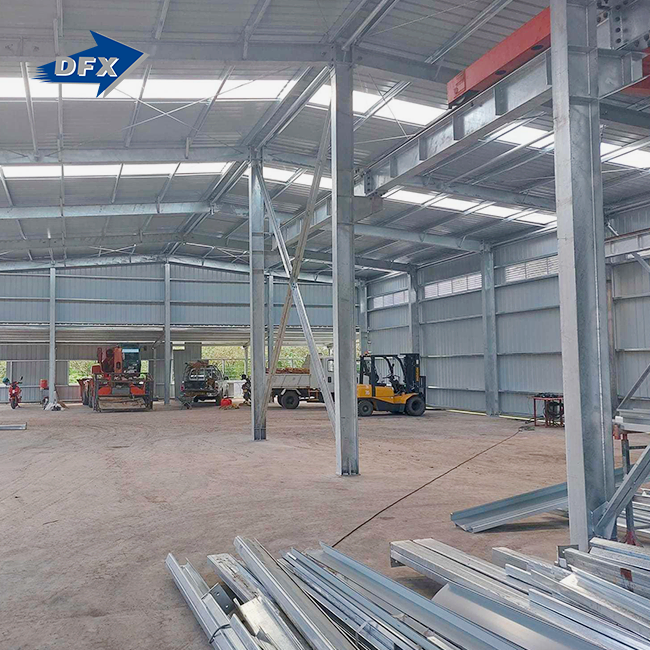
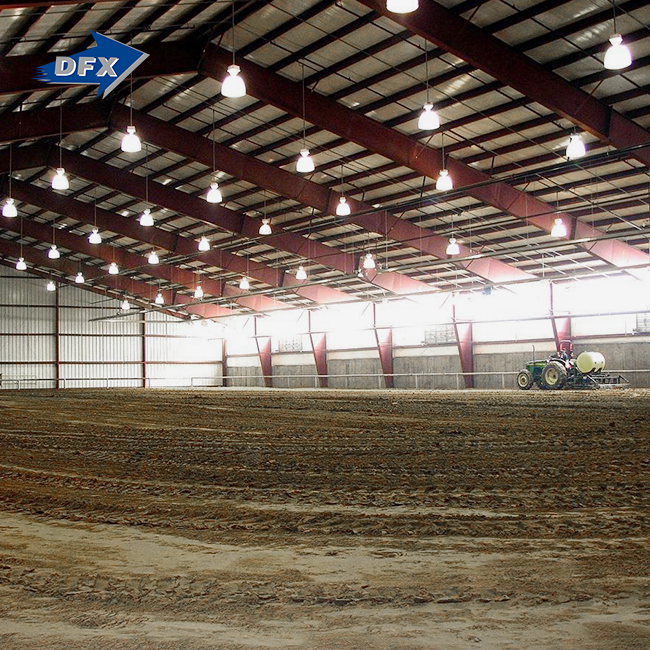
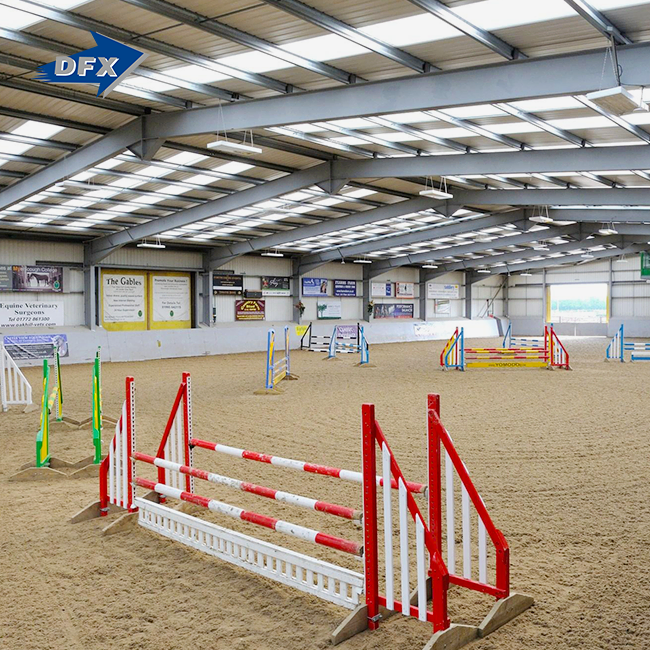
Steel can be used to make tack rooms, wash bays, stall rows, garages for hay, run-in sheds, and even stadiums that are buried. Because they don't have poles inside, clear-span frames are safer to ride on. You need to know how high the roof is, how much snow it can hold, how much light we need, and how air will flow through it in order to make long spans. Our steel frame is welded, so you can change it to fit your needs for practice grounds, horse farms, and breeding barns. Because each order is made just for you, stock levels shouldn't get in the way of your plans.
How to Choose, Maintain, and Decide on a Weather-Resistant Steel Horse Barn
Supplier Checks
Before you buy something, see what the seller has to offer. Get load charts, lists of materials, and building plans for your steel horse barn. Also, write down everything that comes with the deal. If the price only says "steel," make sure it also includes "doors, panels, insulation, and help putting it together." Since 2011, Qingdao Director Steel has been making steel for buildings. Our plant is 40,000 square meters and has six robotic H-beam lines. There are more than 200 people living there. ISO9001, CE, COC, and PVOC all say it's fine. Before you send something abroad, make sure you know the Incoterms, how to pack it, how long the wait will be, and what other paperwork you need to fill out.
Seasonal Maintenance
Check the drains, bolts, door tracks, screws, and ceiling tiles every six months and after every big storm. Look for rust, water spots, broken screws, and finish that is coming off. Take care of any small dents right away, before they turn into rust. Use ammonia to clean the stalls and bays of dry mud. After a big wind or snowstorm, check the frame for damage, the roof for lift, and the base for shakes. If you see damage, talk to a trained engineer.
Final Decision Checklist
Make a list of all the dangerous things in your area, like the wind speed, snowfall, heat, cold, UV rays, fires, and salt air. Then, match each risk to what the building, its shell, its sinks, its insulation, and its airflow need. Make sure that your horses can follow the plan in the things they do every day. Don’t just look at how much the deal costs. Also, think about the base, how much power it will need, how to ship it, and how much it will cost to import. If the place is far away, has bad weather, or is hard to get to, get a different quote.
Conclusion
A steel horse barn can stand up to bad weather as long as the builders make sure it fits the land. How well it's put together, how tight it is to the ground, and how many things it can hold will show you how well it works in wind and snow. The roof, doors, drains, and airflow all play a role in how well the barn keeps out heat, water, and rust. That way, the wind can't get in, and the place stays warmer and drier. Steel horse barns are better than wood or pole barns because they don't catch fire and are simple to clean. You should still check on them often, even though they don't get rot or termites. There should be a clear supplier scope, written specifications, and a work schedule for the service to last a long time. Don't just look at the price; make sure the style fits your wants and the room you have. Think about how much it will cost in the long run too.
FAQ
Q1: Can a steel horse barn handle hurricanes and high winds?
The plans call for the base, anchors, connections, and doors to all be used. They do this because they plan for the wind loads in the area. Give your exact location if you want the site to load right.
Q2: Does a steel horse barn need insulation?
Not all the time. If there is enough airflow, mild places might work. Insulation can help in places that are very hot or cold, at work, or when foaling, but airflow is still important everywhere.
Q3: Will heavy snow damage a steel roof?
The frame, purlins, and base should be able to hold the snow that your area gets, even if some of it moves around.
Q4: Is a steel horse barn safe during lightning storms?
And if you ground your steel frame right, lightning can strike through it and land on the ground rods. The grounding device should be set up and tested by a licensed electrician.
Plan Your Steel Horse Barn With DFX
DFX can help someone plan, build, and set up a steel horse barn. Send an email to jason@bigdirector.com telling them where you are, how windy and cold it is, how big the shed is, how many stalls it has, what kind of padding you need, and where you'd like the package sent. We'll look at your project and make a plan that always works. Want to know more?
References
1. International Building Code, International Code Council, 2021
2. Minimum Design Loads and Associated Criteria for Buildings and Other Structures (ASCE/SEI 7-22), American Society of Civil Engineers, 2022
3. NFPA 150: Standard on Fire and Life Safety in Animal Housing Facilities, National Fire Protection Association, 2019
4. Metal Building Systems Manual, Metal Building Manufacturers Association, 2018
5. Specification for Structural Steel Buildings (ANSI/AISC 360-22), American Institute of Steel Construction, 2022
6. ASTM A653/A653M: Standard Specification for Steel Sheet, Zinc-Coated (Galvanized) or Zinc-Iron Alloy-Coated (Galvannealed) by the Hot-Dip Process, ASTM International, 2020
Learn about our latest products and discounts through SMS or email