- English
- French
- German
- Portuguese
- Spanish
- Russian
- Japanese
- Korean
- Arabic
- Greek
- German
- Turkish
- Italian
- Danish
- Romanian
- Indonesian
- Czech
- Afrikaans
- Swedish
- Polish
- Basque
- Catalan
- Esperanto
- Hindi
- Lao
- Albanian
- Amharic
- Armenian
- Azerbaijani
- Belarusian
- Bengali
- Bosnian
- Bulgarian
- Cebuano
- Chichewa
- Corsican
- Croatian
- Dutch
- Estonian
- Filipino
- Finnish
- Frisian
- Galician
- Georgian
- Gujarati
- Haitian
- Hausa
- Hawaiian
- Hebrew
- Hmong
- Hungarian
- Icelandic
- Igbo
- Javanese
- Kannada
- Kazakh
- Khmer
- Kurdish
- Kyrgyz
- Latin
- Latvian
- Lithuanian
- Luxembou..
- Macedonian
- Malagasy
- Malay
- Malayalam
- Maltese
- Maori
- Marathi
- Mongolian
- Burmese
- Nepali
- Norwegian
- Pashto
- Persian
- Punjabi
- Serbian
- Sesotho
- Sinhala
- Slovak
- Slovenian
- Somali
- Samoan
- Scots Gaelic
- Shona
- Sindhi
- Sundanese
- Swahili
- Tajik
- Tamil
- Telugu
- Thai
- Ukrainian
- Urdu
- Uzbek
- Vietnamese
- Welsh
- Xhosa
- Yiddish
- Yoruba
- Zulu
Benefits of Agricultural steel building
Agricultural steel buildings have changed the way modern farms and livestock operations are structured. Whether you manage a cattle farm, a dairy facility, or a large poultry operation, the right building directly affects your productivity and bottom line. An agricultural steel building offers proven durability, lower long-term costs, and design flexibility that traditional wood or concrete structures simply cannot match. In this guide, I will walk through the real advantages of steel farm buildings, how they compare to other materials, and what to look for when choosing the right supplier.

Understanding Agricultural Steel Buildings
What They Are and How They Work
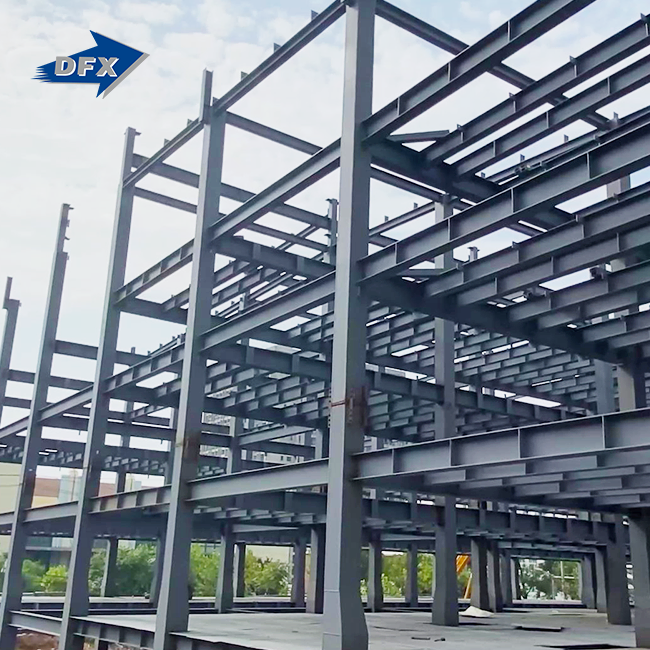
Steel buildings for agricultural uses are made of metal and are designed to be used for a variety of purposes, including housing animals, farming, and storage requirements. The assembly of beams and supports made of heavy-duty steel results in the construction of frames that are either entirely open or partially covered. As a result of this, the inside of the structure does not have any load-bearing walls, which means that the floor space is completely free of any obstructions.
Common Types Used in Agriculture
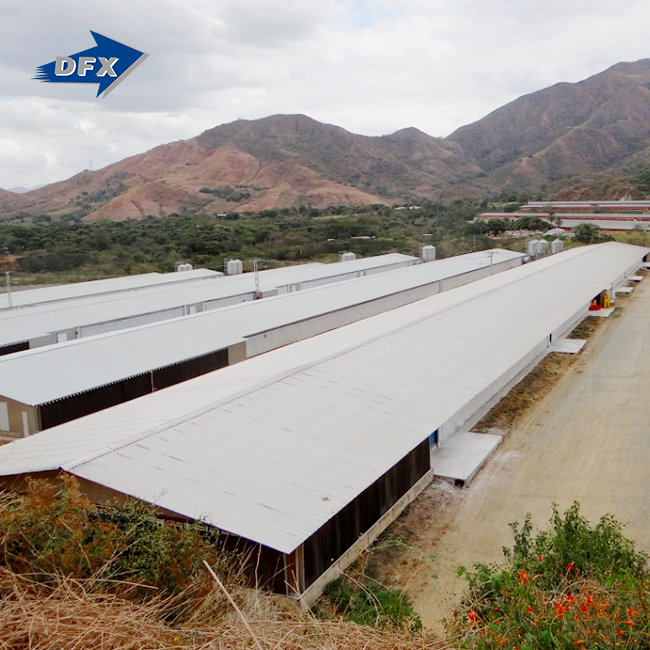
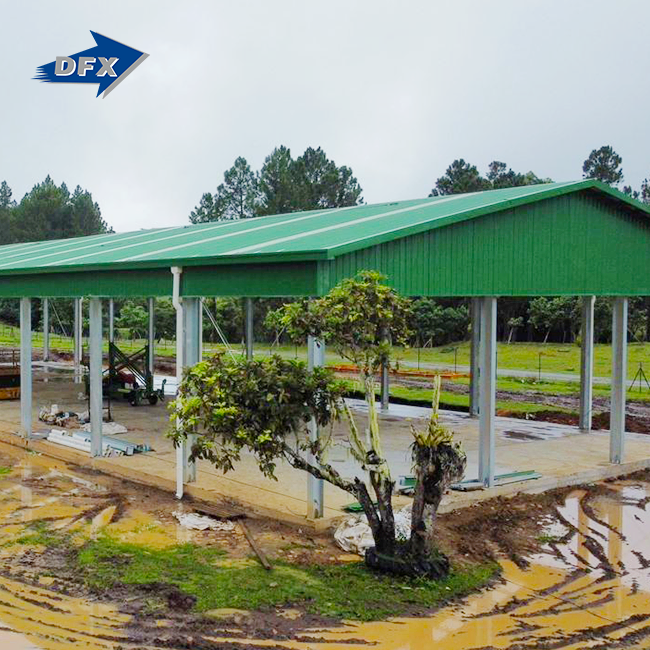
The most common types of animal shelters are prefabricated open-sided animal shelters, enclosed storage barns, chicken coops, and specialist cow or dairy facility buildings. Other types of animal shelters include covered storage barns. There is the possibility of modifying these buildings in such a way that they are ideal for either a small farm or a huge commercial agricultural enterprise. For example, the steel animal shelters that we provide are made with coatings that are resistant to corrosion and are suited for use on dairy farms and cow farms. These shelters are available in both open and semi-enclosed configurations.
Who Uses Them
Steel is a material that is often chosen by those who work in the agriculture business, project management, and animal care in the United States. Steel is used for the building of new structures as well as improvements to existing structures. The buildings are accessible for use by both major businesses that need a sturdy infrastructure that can be created in a short period of time and small family farms who are looking to provide a stable environment for their operations.
Core Benefits of Agricultural Steel Buildings
Agricultural steel building structures always do better than wooden, concrete, and pole barn buildings in a number of ways. The main reasons why they're a good choice for farming activities are listed below:
- Pest and rot resistance: Steel does not attract termites, rodents, or fungal growth. Unlike wood framing, it will not warp, crack, or decay over time. This is especially important for facilities storing feed, seed, or housing livestock.
- Fire resistance: Steel is non-combustible, which significantly lowers the fire risk in storage and livestock environments where hay, bedding, and fuel are common.
- Weather performance: Engineered steel frames handle high snow loads and strong wind uplift. The American Institute of Steel Construction (AISC) confirms that steel structures maintain structural integrity under conditions that frequently cause wood-frame failures.
- Long service life: A properly maintained steel building can serve your operation for 30 to 50 years, reducing the frequency and cost of rebuilds.
All of these benefits directly address the real risks that farm owners face every season. Putting up a steel chicken coop or cow shelter will protect your animals and keep the costs of building fixes down.
Steel buildings are not only strong, but they also help reach sustainability goals for an agricultural steel building. The Steel Recycling Institute says that more than 80% of structural steel in North America is made from recovered steel. Steel is one of the most recycled products in the world. That means that steel farm buildings are a good choice for infrastructure that is good for the environment.
Comparing Steel Agricultural Buildings With Alternative Construction Materials
Steel vs. Wood
Wood construction is cheaper up front, but it costs a lot more to maintain and replace over time. Water, bugs, and fire can all damage wood, and all of these problems are common in agricultural settings. Although steel buildings cost more at first, they are worth much more in the long run.
Prefabricated Kits vs. Custom Steel Buildings
Standard storage sheds and simple shelters can be made from prefabricated steel building plans. When your project needs a certain span, height, or climate control, custom-engineered steel buildings are the best option. For instance, a dairy farm might need precise ventilation planning and an insulated roof, which can be done directly with a custom build.
Insulation and Roofing Options
Steel buildings can be topped with a lot of different types of roofs and insulation. Steel framing goes well with corrugated steel sheets, sandwich panels, and insulated metal panels. This lets project engineers and buying managers specify exactly what level of performance they need for their climate zone.
Maintenance and Operational Benefits for Procurement Teams Low Routine Maintenance
Agricultural steel building structures need a lot less upkeep than buildings made of wood. Checking for surface rust, tightness of fasteners, and roof sealant on a regular basis is generally enough. Since a coating that resists rust was put on the steel frame when it was made, it doesn't need much care between checks.
Lifecycle Cost Advantage
Over 20 years, the total cost of fixing and replacing a wood barn usually goes over the price of building it in the first place. That's not how the cost curve works for steel buildings. This difference in lifecycle costs is a big help for procurement teams that have to keep track of budgets for many properties or stages of a project.
Supplier Warranty and After-Sales Support
When looking for steel farm structures, it's a good idea to make sure you have clear information on what the warranty covers and how to get help after delivery. Reliable manufacturers offer engineering drawings, instructions on how to put the structure together, and expert help throughout the job. When a seller has certifications like ISO, CE, COC, and PVOC, it means they follow quality standards and are responsible for what they give.
How to Choose the Right Agricultural Steel Building for Your Business
Assess Your Operational Requirements First
Before you start asking for estimates, you should make sure that you have a complete understanding of what your structure needs to accomplish. When compared to a shelter for cattle, a grain storage building or a chicken house requires a different quantity of room and ventilation throughout the structure. One of our product lines, for instance, is designed specifically for use with animals. It is available in both open and semi-enclosed designs, both of which are suitable for use on dairy farms and cattle farms.
Evaluate the Supplier's Capabilities
Locate a business that is capable of providing engineering design, fabrication, and erection advice all within the same organization. Your project will remain on pace, and there will be fewer pauses in cooperation as a result of this. The year 2011 saw the beginning of operations for the firm known as Director Steel, which employs more than 40,000 square meters of industrial area in Qingdao, China. Structures for farms and cattle are designed, constructed, and installed by this company.
Understand Lead Times and Order Requirements
The majority of steel structures that are based on projects are delivered between 25 and 35 days after the order is finalised. One of the smallest amounts that may be purchased for our agricultural structures is four hundred square meters. For the purpose of avoiding delays and making realistic plans for project deadlines, these data are helpful to purchasing managers.
Conclusion
Steel construction has a place in modern infrastructure for farming. Agricultural steel building structures are a good choice because they are easy to maintain, last a long time, can be designed in a variety of ways, and are environmentally friendly. A procurement manager looking for materials for a big livestock business is different from a farm owner planning their first purpose-built structure. Picking the right material and manufacturer makes a difference that can be measured. Director Steel brings to every project more than 12 years of experience in fabrication, in-house engineering, and products that are certified around the world. You decide what to do next.
FAQ
1. How much maintenance does a steel farm building need?
Steel farm buildings don't need much upkeep. Most of the time, all that is needed is an annual check of the roof, bolts, and any coatings on the outside. Steel doesn't rot, warp, or attract bugs, so it doesn't need to be fixed as often as wood buildings do. A well-built steel building with a good finish that doesn't rust will usually last for years without needing any major repairs.
2. Can steel agricultural buildings handle extreme weather?
Yes, steel-frame buildings are built to specific load ratings that take into account the amount of snow and wind that blows in the area. Because of this, they do well in a lot of different temperatures in the United States. The structure design can be changed to fit the needs of the area, whether you are building in the north, where it snows a lot in the winter, or on the coast, where there is a lot of wind.
3. Is customization available for livestock shelters?
For most reputable steel building manufacturers, customization is an important part of the process. During the design phase, you can choose the span width, column height, type of roof, ventilation holes, and cladding materials. Custom plans have a direct effect on the health and comfort of animals, the flow of air, and the daily efficiency of livestock facilities like cow barns and dairy buildings.
4. What certifications should I look for in a supplier?
You should look for ISO, CE, COC, and PVOC marks. These show that the company follows well-known standards for quality management and products. All four of these certificates are on our agricultural steel buildings, which gives buyers peace of mind about both the building process and the final product.
Get a Quote for Your Agricultural Steel Building Project — Contact DFX Today
DFX's agricultural steel building options are made for farms and animal businesses that need long-lasting, low-cost buildings. Director Steel is a professional company that makes agricultural steel buildings and has ISO, CE, COC, and PVOC certifications. Since 2011, they have delivered project-based structures in many countries. Get in touch with our team right away if you want to build a shelter for cattle, a dairy, or a home for chickens. Please email us about your project at jason@bigdirector.com, and we'll help you go from planning to building.
References
1. American Institute of Steel Construction (AISC). Steel Construction Manual, 16th Edition. AISC, 2023.
2. Steel Recycling Institute. Steel Recycling Rates and Sustainability Report. Steel Recycling Institute, 2022.
3. Farm Building News. Modern Steel Structures in Agricultural Applications. Farm Building News, 2021.
4. USDA National Agricultural Statistics Service. Farm Structure and Facility Trends in U.S. Agriculture. USDA, 2022.
5. Metal Building Manufacturers Association (MBMA). Metal Building Systems Manual. MBMA, 2023.
6. National Frame Building Association (NFBA). Post-Frame vs. Steel Frame: A Comparative Analysis for Agricultural Use. NFBA, 2020.
Learn about our latest products and discounts through SMS or email