- English
- French
- German
- Portuguese
- Spanish
- Russian
- Japanese
- Korean
- Arabic
- Greek
- German
- Turkish
- Italian
- Danish
- Romanian
- Indonesian
- Czech
- Afrikaans
- Swedish
- Polish
- Basque
- Catalan
- Esperanto
- Hindi
- Lao
- Albanian
- Amharic
- Armenian
- Azerbaijani
- Belarusian
- Bengali
- Bosnian
- Bulgarian
- Cebuano
- Chichewa
- Corsican
- Croatian
- Dutch
- Estonian
- Filipino
- Finnish
- Frisian
- Galician
- Georgian
- Gujarati
- Haitian
- Hausa
- Hawaiian
- Hebrew
- Hmong
- Hungarian
- Icelandic
- Igbo
- Javanese
- Kannada
- Kazakh
- Khmer
- Kurdish
- Kyrgyz
- Latin
- Latvian
- Lithuanian
- Luxembou..
- Macedonian
- Malagasy
- Malay
- Malayalam
- Maltese
- Maori
- Marathi
- Mongolian
- Burmese
- Nepali
- Norwegian
- Pashto
- Persian
- Punjabi
- Serbian
- Sesotho
- Sinhala
- Slovak
- Slovenian
- Somali
- Samoan
- Scots Gaelic
- Shona
- Sindhi
- Sundanese
- Swahili
- Tajik
- Tamil
- Telugu
- Thai
- Ukrainian
- Urdu
- Uzbek
- Vietnamese
- Welsh
- Xhosa
- Yiddish
- Yoruba
- Zulu
Why Is an Inland Fishery Steel Shed Ideal for Modern Aquaculture?
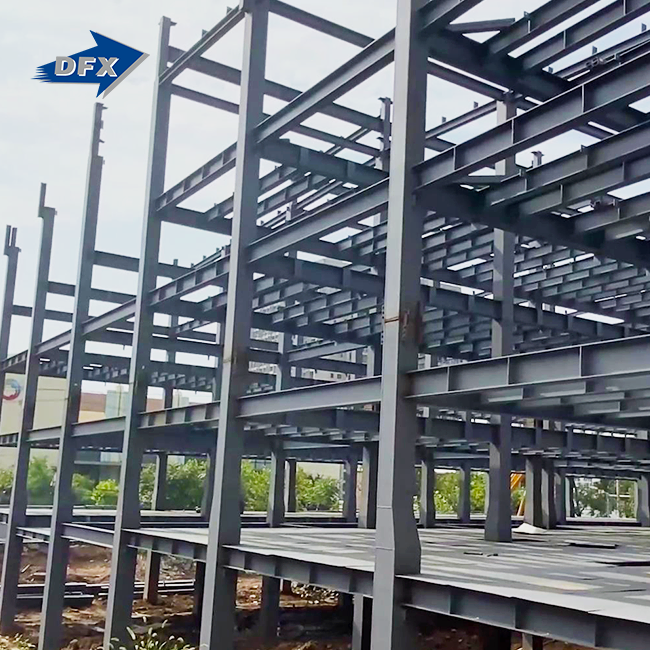
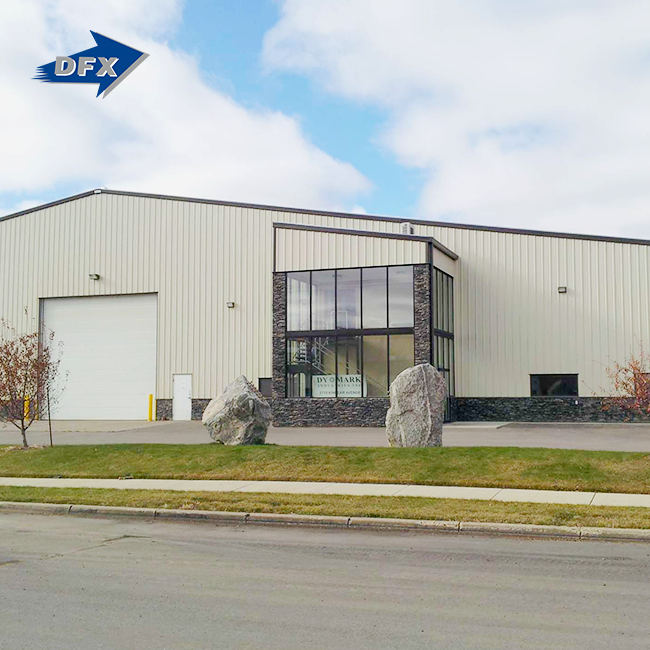
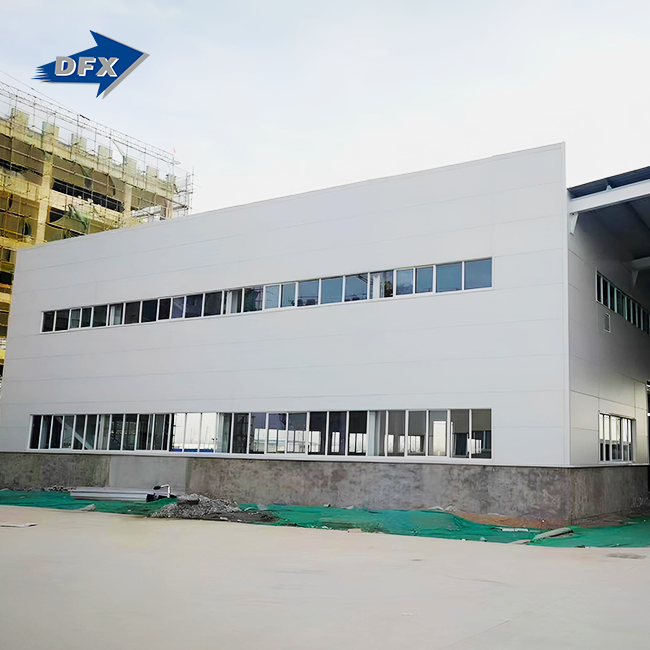
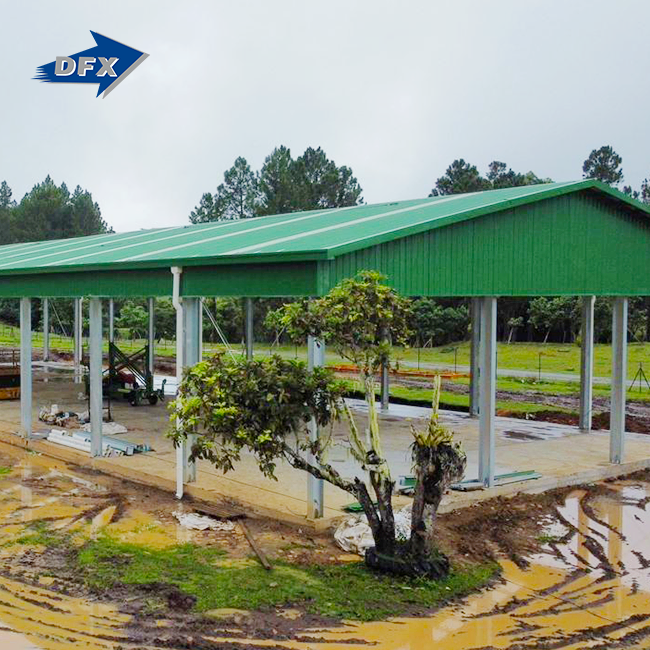
Modern aquaculture demands infrastructure that can stand up to constant moisture, chemical exposure, and biosecurity requirements — all at once. An inland fishery steel shed answers these demands directly. Built with high-tensile steel frames, specialized anti-corrosion coatings, and wide clear-span interiors, these structures give commercial fish farmers and EPC contractors a dependable, long-service facility that concrete or timber simply cannot match. Whether you're housing a Recirculating Aquaculture System (RAS), a commercial hatchery, or a broodstock facility, a purpose-built steel shed delivers the controlled environment that modern fish production requires.

Understanding Inland Fishery Steel Sheds and Their Benefits
A well-made aquaculture building does more than just keep the rain out. Over decades of use, it actively supports the health of fish, the safety of workers, and the efficiency of operations.
What Makes Steel the Right Material for Fishery Buildings
Steel is strong for its weight, so it can span wide areas without any columns, from 12 m to 60 m. This is necessary for setting up circular holding tanks with a width of 6 m to 10 m without any problems. The World Aquaculture Society says that indoor RAS facilities have grown by more than 30% around the world since 2015. This has increased the need for flexible, large-span cages.
Corrosion Resistance in High-Humidity Environments
In aquaculture houses, the humidity stays above 80% all the time, and fish waste gives off ammonia and hydrogen sulfide. The main steel frame of our sheds is made of Q355B or A572 Gr.50 high-tensile steel that has been hot-dip galvanized (>600 g/m² zinc coating) or high-build epoxy zinc-rich primer systems that are rated at ISO 12944 C3–C4 corrosion categories.
Long-Term Cost Benefits for B2B Operators
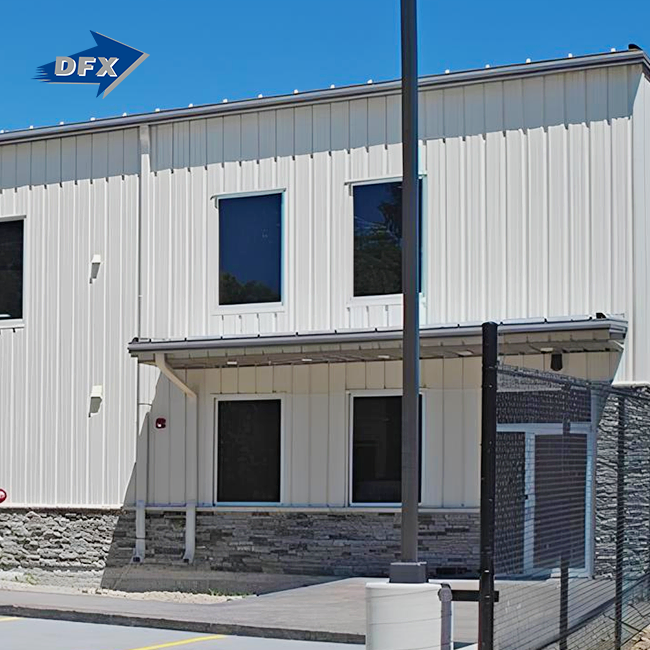
When you cut down on the number of times you have to replace structures, you save money on capital costs over time. A steel aquaculture shed can last more than 25 to 30 years if it is built with the right materials, such as AZ150 Galvalume siding and galvanized framework. Because it lasts longer than wood or plastic options, it has a lower total cost of ownership. Because of these structural and material advantages, steel is the best choice for business owners who want to build a building that pays for itself right away.
Design and Construction of Steel Aquaculture Buildings
The speed with which a fishing facility can go from breaking ground to being ready for use has changed because of prefabricated buildings. The right way to build takes into account biosecurity, temperature control, and future growth from the very beginning.
Modular Prefabrication and Fast Deployment
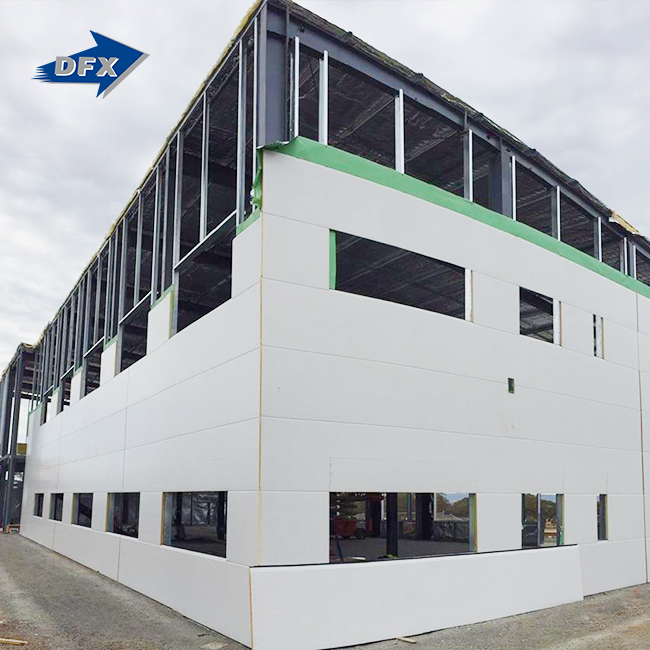
Director Steel's pre-engineered parts for an inland fishery steel shed are made off-site with ISO quality control and then put together on-site. Compared to pouring concrete, this method cuts down on construction time on-site by a large amount. This helps businesses start making things sooner and recoup costs more quickly.
Ventilation, Insulation, and Climate Control Integration
Polyurethane (PU) or Polyisocyanurate (PIR) sandwich panels (50 mm to 100 mm thick) are used for wall and roof panels because they are very good at keeping heat out. This stops condensation from forming, keeps water temperatures stable between 22°C and 28°C for fish like eels and tilapia, and lowers the building's long-term HVAC costs.
Anti-Condensation Measures and Interior Finishes
Vapor barrier facings or anti-condensation fleece strips are put on steel sheets directly in places where insulation walls are not used. The finishes on the interior panels are smooth and easy to clean, which is important for keeping hygiene in hatcheries and nurseries where cross-contamination between broodstock and fry stages needs to be stopped. This organized building method gives aquaculture owners a complete steel building solution, from the initial engineering design to on-site help for putting it together.
Comparing Steel Aquaculture Sheds with Alternative Materials
It is important to compare steel to the other materials that are still commonly used to build fisheries because the differences can have long-lasting effects on the costs of running the business.
Here are the most important ways to compare the performance of the most popular materials:
- Steel vs. Wood: Timber deteriorates rapidly in high-humidity aquaculture environments. Wood absorbs moisture, warps, and supports mold growth — all of which threaten biosecurity. Steel eliminates these risks while offering a service life two to three times longer than untreated timber structures.
- Steel vs. Concrete: Concrete is heavy, slow to build, and difficult to modify. Prefabricated steel buildings can be erected in a fraction of the time, and interior layouts can be reconfigured as production needs change. Concrete also cracks under ammonia corrosion over time.
- Steel vs. Plastic/Fabric Structures: Fabric and plastic structures offer low upfront cost but poor insulation, limited load-bearing capacity, and short service lives. They cannot support overhead crane beams (2–5 ton capacity) needed for RAS equipment maintenance, which steel sheds handle as a standard design feature.
Steel Structures vs. Plastic/Fabric Structures: Fabric and plastic structures are cheap to buy, but they don't insulate well, can't hold much weight, and don't last long. They can't hold up the 2–5-ton overhead crane beams that are needed to maintain RAS equipment. Steel sheds can do this because it's built in.
Procurement and Supplier Insights for Steel Fishery Structures
There's more to choosing the right inland fishing steel shed provider than just looking at price sheets. The results of a project are affected by structural integrity, certifications, and support after delivery.
Certifications That Matter for B2B Procurement
It is certified by ISO, CE, COC, and PVOC, in that order. Non-Destructive Testing (NDT) methods, such as Ultrasonic Testing (UT) and Magnetic Particle Testing (MT), make sure that all main frame connections of the inland fishery steel shed meet the calculated dynamic load requirements before the shipment of structural welds.
Coating and Quality Verification Standards
Measurements with a Dry Film Thickness (DFT) gauge show that the zinc coating meets ASTM A123 standards (for galvanized members, the average thickness is 85 microns). Total DFT is greater than 125 microns for marine-grade epoxy uses. Testing with salt spray according to ASTM B117 shows that coatings on covering materials stay stuck on after more than 1,000 hours of contact.
Turnkey Service from Design to Erection
Director Steel handles the whole project process, from architectural design and detailing to manufacturing and on-site assembly. For indoor farming in salty or brackish water, fasteners are changed to 304/316 stainless steel and paint requirements are raised to ISO 12944 C5-M (Marine) grade. This level of supplier capability lowers the risk that EPC contractors and project managers will not be able to work together well.
When you work with a manufacturer that provides all of these services, you can keep projects on schedule and cut down on the number of companies your procurement team has to handle.
Environmental and Economic Impact of Steel Sheds in Aquaculture
The case for steel goes beyond how well it works as a building material. Being responsible with the environment and being smart with money both point in the same direction.
Sustainability Through Recyclable Materials
Steel is one of the most recycled materials used in business around the world. The World Steel Association says that more than 85% of steel in the world is recycled. When aquaculture facilities use steel instead of materials that need to be replaced every 10–15 years, they use fewer resources over time.
Energy Efficiency Over the Building's Life
PU and PIR sandwich panel insulation systems lower the amount of energy needed to heat and cool a building all year long. For RAS workers who have to keep the water at exact temperatures 24 hours a day, 7 days a week, a lower HVAC energy use means a big practical savings over the 25 to 30 years that the building is in use.
ROI for Agricultural and Industrial Investors
There is a clear return on investment when upkeep costs go down, assets last longer, and energy bills go down. The lower total cost of ownership of a steel aquaculture building usually makes up for its higher starting price within the first five years for manufacturing investors and farming businesses building new production facilities. Because of these economic and environmental factors, steel is the smart choice for aquaculture business owners who want to grow their businesses over the long term.
Conclusion
Commercial fish farmers, EPC builders, and farming investors can use inland fishery steel shed buildings because they are long-lasting, flexible, and affordable. Every part of a properly designed steel fishery shed supports productive, long-term use, from corrosion-resistant frames and insulated panel systems to wide, clear-span interiors and approved structural quality. Steel is the best material for modern inland aquaculture infrastructure because it is easy to maintain, doesn't need much maintenance, and is good for the environment.
FAQ
1. How does a steel fishery shed handle ammonia and hydrogen sulfide exposure?
The building is protected by two layers of paint: hot-dip galvanization and high-build epoxy phenolic paint that is made to be resistant to chemicals. This keeps the steel frame safe from the acidic gases that fish waste gives off, so it lasts much longer than regular shop coats would.
2. Can the structure support suspended equipment like feeders and piping?
Yes. When structural estimates are done, they take into account the extra weight of equipment that is hung. The flanges on the rafters are strengthened, and special mounting brackets are included. This means that hanging loads of 20 kg/m² or more are safe, depending on what the client wants.
3. Is the shed suitable for brackish or saline indoor aquaculture?
For use in brackish water, screws are changed to 304/316 stainless steel, and paint requirements are raised to C5-M Marine grade according to ISO 12944 categories. This makes the paint more resistant to salt attack.
4. What is the expected service life?
In high-humidity aquaculture environments, the structure can last longer than 25 to 30 years with regular maintenance and the right materials (AZ150 Galvalume cladding and galvanized framing).
Get Your Custom Inland Fishery Steel Shed Quote from Director Steel
Director Steel has been making pre-engineered steel structures since 2011. They have over 12 years of experience delivering certified buildings for use in aquaculture, agriculture, and industry. As a well-known company that makes inland fishery steel sheds, we offer a full range of services, including in-house planning, manufacturing across 40,000 m² of production space, and on-site help for setting up the sheds. Get in touch with our team right away at jason@bigdirector.com to talk about your project needs and get a full quote.
References
1. World Steel Association. Steel Statistical Yearbook. 2023.
2. Food and Agriculture Organization of the United Nations (FAO). The State of World Fisheries and Aquaculture. 2022.
3. World Aquaculture Society. Aquaculture Magazine: RAS Facility Development Trends. 2021.
4. ASTM International. ASTM A123: Standard Specification for Zinc (Hot-Dip Galvanized) Coatings on Iron and Steel Products. 2017.
5. ISO. ISO 12944: Paints and Varnishes — Corrosion Protection of Steel Structures by Protective Paint Systems. 2018.
6. Boyd, C.E., & Tucker, C.S. Pond Aquaculture Water Quality Management. Springer Science & Business Media. 1998.
Learn about our latest products and discounts through SMS or email