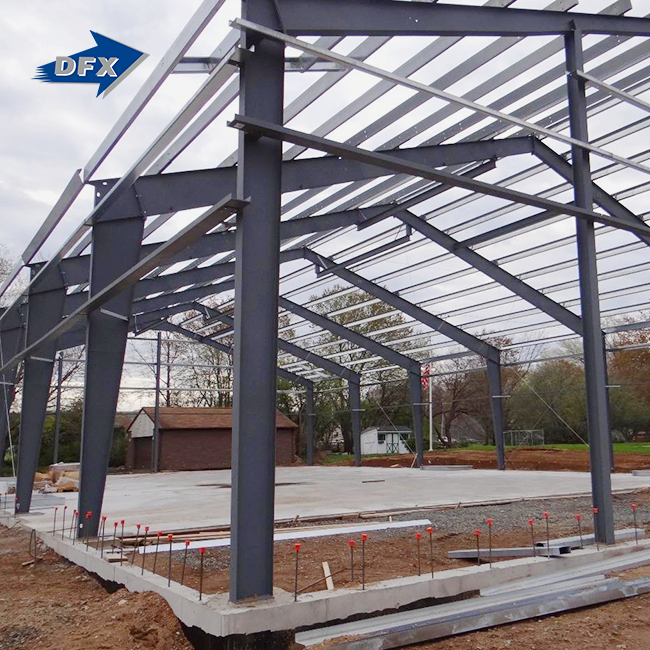
A Steel Structure Grain Storage system preserves harvested crops with its galvanized steel frame, sealed cladding, and built-in aeration, reducing spoilage and insect damage to far lower levels than sacks or mud granaries. Farmers get a facility that goes up in weeks, can be modified for future capacity demands, and frequently lasts decades longer than wood or concrete alternatives. One fabrication partner for EPC contractors and farm purchasers for engineering, steel supply, and installation. In this article, we talk about the unique features that make it so well regarded, the trade-offs compared to concrete and wood, and how to assess a source before committing funds to a project. Storage choices are seldom compared by procurement managers on price alone. For project-based purchases, which are linked to a single construction window, the delivery schedule, structural safety, and after-sale installation service all influence which supplier gets the contract. The sections below cover protection, lifespan, cost, and purchase criteria in the order that most customers really require them.

What Makes Steel Structure Grain Storage Systems Different?
Modular Prefabrication vs. Traditional Construction
A modular steel grain storage facility ships in pre-cut and pre-drilled sections, ready to bolt together for erection. Traditional storage using brick or concrete requires on-site shaping and curing and expert masonry labour over months. Modular fabrication pulls that labor out of the field and into a controlled industrial environment. This keeps tolerances tight and quality constant with each batch that is sent.
This change also affects how procurement teams plan a project. Instead of contracting a masonry team for months and hoping the weather cooperates during curing, purchasers of steel structure grain storage solutions purchase a set component bundle with a defined fabrication and delivery timeframe. That certainty is especially important on project-based buys because the choice is driven by a construction deadline, not an open-ended budget.
Engineering-Grade Steel Components
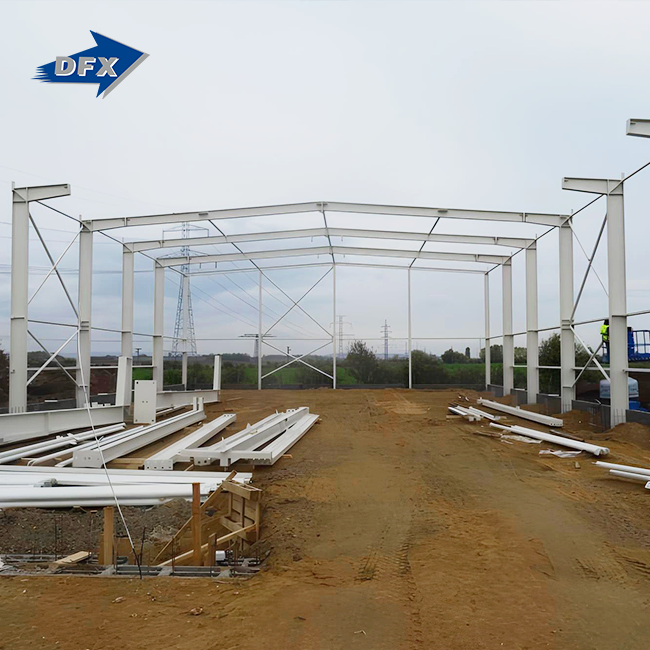
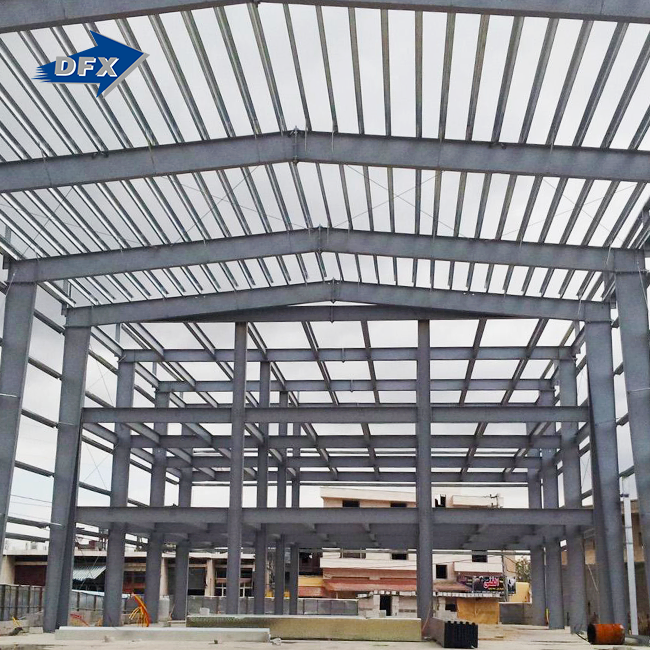
Major frames are H-beams and carry the structural load, with galvanized C and Z purlins supporting the roof and wall cladding between the major columns. A bracing system links the whole structure together to resist wind and earthquake stresses. Buyers need to ensure that their supplier does a comprehensive engineering calculation for each project, rather than just reusing a generic frame design for varied spans and climates.
Engineering calculations also define the thickness of the panels, which range from 50 mm to 100 mm, depending on the insulation demands and the local temperature variations. Even with the same span and capacity, a steel-structure grain storage facility for a dry inland location will be quite different from one for a humid coastal warehouse.
How Do Steel Grain Storage Systems Improve Grain Protection?
Aeration and Airflow Design
The built-in floor channels and blowers of steel structure grain storage systems send conditioned air through the stored grain, keeping the internal temperature consistent across the whole pile. Air movement also prevents moisture from travelling to the cooler areas along the walls and roof surfaces, which are often the source of hidden hot spots in poorly ventilated storage.
Sealed Panel Construction Against Pests and Moisture
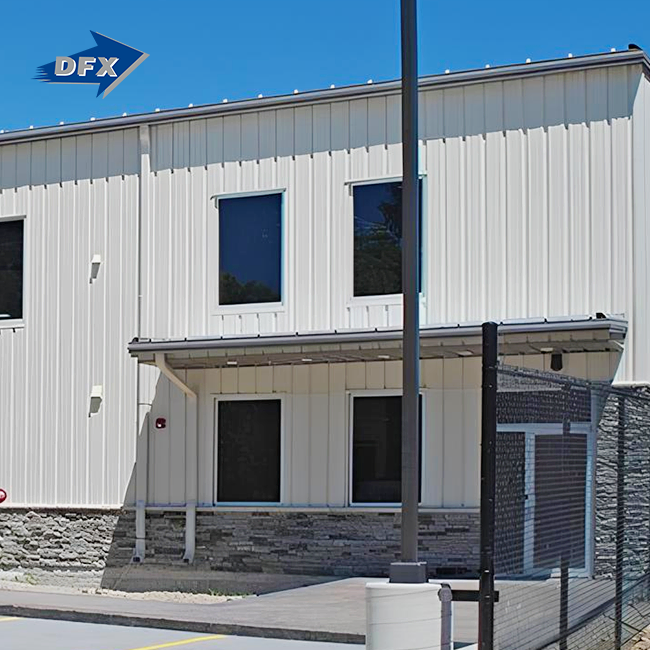
The sealed bolted steel panels keep out rain, rodents, and bugs far better than bag storage beneath a basic canopy. Sealed structure helps to prevent outside humidity from migrating into the grain mass between rain events, safeguarding quality throughout the wettest months of the storage season.
The difference is usually seen in the first harvest cycle when farmers transition from bag storage to a sealed steel construction grain storage facility. What earlier had to be re-bagged regularly and checked for entrance sites by pests is now contained in a single sealed envelope, reducing the daily labour required to prevent deterioration.
What Are the Main Advantages of Steel Grain Storage Buildings?
Farmers and procurement managers frequently consider timeliness, flexibility, and confirmation of quality when looking at storage choices before signing a contract. The main advantages of a well-built steel structure grain storage system over older systems are: quick assembly on site that takes weeks instead of months, frame designs that can be adapted to almost any span ranging from 15 to 40 meters, and third-party certification documents such as ISO9001 and CE that guarantee consistent manufacturing quality. Each benefit addresses a particular risk that purchasers are already thinking about, from missed harvest dates to steel sources that can’t be verified.
When procurement teams are dealing with a number of bids, it's frequently simpler to evaluate these three benefits on paper than in reality, since supplier marketing typically blurs the line between a real technical benefit and a generic sales promise. When you ask for project references, historical span sizes, and delivered and written lead times, you turn a nebulous proposal into a comparable, apples-to-apples shortlist.
Speed of Construction
Pre-engineered components are sent cut and drilled, so workers spend their time bolting together pieces rather than shaping and pouring concrete. Industry reports on pre-engineered buildings have shown that this offsite manufacturing process decreases construction time and labor costs compared to conventional ways of construction. This trend applies to agricultural, industrial, and commercial projects (SteelCo Buildings, 2026).
Design Flexibility for Any Span
Spans vary from 15 meters to 40 meters, so one fabricator may service a small poultry farm and a huge logistics centre from the same product line, including solutions such as Steel Structure Grain Storage. The height is adjusted to the space of the store. The panel's thickness varies from 50 to 100 mm according to climate and insulation demands.
Certification and Quality Assurance
ISO9001 quality management accreditation indicates that a fabricator uses established and repeatable methods for manufacturing. CE certification certifies that steel components comply with internationally and European-accepted conformity criteria. Buyers should seek these two papers and the mill test certifications for the steel itself before any purchase order is signed.
| Factor | Steel Structure Grain Storage | Concrete Silo | Bags / Traditional Granary |
|---|---|---|---|
| Construction time | Weeks | Months | Days, but low protection |
| Typical service life | 30–50+ years | 40+ years | 1–3 years per bag cycle |
| Pest and moisture barrier | Strong (sealed panels) | Strong | Weak |
| Expansion flexibility | High (add bays) | Low | Low |
| Upfront cost per ton | Low to medium | High | Very low, high loss risk |
Why Are Steel Storage Systems Suitable for Large-Scale Farms?
Clear-Span Interiors for Heavy Equipment
Rigid-frame steel warehouses have no internal columns, so loaders, trucks, and augers may traverse the whole floor plate unimpeded. That open floor concept is critical for large agricultural operations and EPC contractors that operate logistics warehouses to keep bulk handling equipment running free and clear.
The clear-span architecture of Steel Structure Grain Storage also makes future retrofits easier. Years after the initial design, adding a new conveyor line, sorting station, or additional loading dock seldom needs structural alterations since there are no internal columns to work around. This helps keep rehabilitation costs low.
Scalable Bay Additions
Farms expanding their planted area or animal herd may add storage bays to their existing steel frame rather than having to demolish and rebuild. Scalability is especially important for industrial investors and agricultural project managers anticipating multi-year growth rather than a single fixed construction.
A phased construction also divides the capital investment across multiple budget cycles rather than one huge up-front commitment. Farms that order a steel-structure grain storage frame that is built for future bay connections save the wasted expense of ripping down and re-engineering a building that was scaled too small on day one.

How Does Steel Construction Reduce Grain Storage Risks?
Fire and Weather Resistance
The fact that steel does not burn makes steel structure grain storage a safer choice by minimizing the potential of fire spread around stored grain, a real threat considering the development of dust inside bulk storage structures. Steel frames are also more resistant to severe wind, snow load, and seismic activity than the wood-frame alternatives sometimes seen in earlier farm structures.
This is part of the reason why steel buildings often qualify for lower premium categories than equivalent wood facilities holding the same amount of grain, a fact that insurance underwriters know firsthand.
Corrosion Protection Coatings
Galvanized zinc coatings may prevent rust from spreading over exposed steel surfaces for years. Zinc-aluminum-magnesium alloy coatings take that protection a step further, which is especially important for coastal warehouses and storage centers exposed to salt-laden air.
| Coating Type | Corrosion Resistance | Typical Recoat Interval | Best Setting |
|---|---|---|---|
| Standard galvanized (Z275) | Moderate | 8–12 years | Inland, dry climate |
| Heavy galvanized (Z350+) | Good | 12–18 years | Humid inland regions |
| Zinc-aluminum-magnesium alloy | High | 18–25 years | Coastal, high-salinity sites |
| Painted/pre-coated panel | Good (surface only) | 10–15 years | Visible commercial buildings |
What Is the Service Life of a Steel Grain Storage System?
Typical Lifespan Figures
Metal-structural agricultural buildings, including Steel Structure Grain Storage facilities, commonly serve 40 to 50 years or more when properly maintained, compared with 20 to 30 years for wooden pole barns exposed to the same conditions, according to SteelCo Buildings (2026). Some pre-engineered steel building suppliers report service life reaching 50 to 75 years under strong maintenance practices (GetCarports, 2026).
Factors That Extend or Shorten Service Life
Coating grade, coastal exposure, and inspection frequency all shift a building's real-world lifespan up or down from published averages. A galvanized frame recoated on schedule and kept clear of standing water at the base will consistently outlast an identical frame left unmaintained in the same climate.
Buyers comparing quotes should ask each supplier what coating grade and maintenance schedule their published lifespan figures assume. A steel structure grain storage quote built around the lightest available coating will look cheaper upfront but may fall well short of the 40-plus-year figures suppliers advertise for their premium options.
How Do Steel Grain Storage Systems Save Long-Term Costs?
Lower Insurance and Maintenance Costs
Steel's fire resistance and pest resistance in Steel Structure Grain storage translate into measurable insurance savings, with industry reporting citing premiums running 15% to 30% lower for steel agricultural buildings compared with wood-frame equivalents (National Steel Buildings, 2026). Near-zero rot and termite risk also cuts annual maintenance spending that wood structures require every few years.
Farm owners tracking a multi-year budget often overlook these recurring savings because they focus on the initial invoice. A steel structure grain storage building that costs slightly more upfront than a bag-and-shed setup can still win on total spend once insurance, repair labor, and lost grain from spoilage are added across five or ten storage seasons.
Reduced Total Cost of Ownership Over Time
Upfront construction costs for pre-engineered steel run up to 30% below wood or concrete alternatives on comparable projects, and that gap widens further once decades of avoided repairs are factored in (National Steel Buildings, 2026). A steel structure grain storage buyer who tracks total cost of ownership, not just the initial invoice, usually finds steel wins by a wide margin over a 20-year horizon.
Project-based buyers, including EPC contractors bidding on a fixed-price contract, benefit from this same math in a shorter time frame. A steel-grain silo building approach can reduce fabrication and freight costs per ton of capacity, freeing up budget for site preparation, foundation work, or additional bays that a concrete-heavy bid would not allow.
A simple way to compare bids is to divide the total quoted price by the expected service life in years, rather than comparing raw contract totals side by side. That single number strips away differences in payment terms and financing structure, leaving buyers with a cleaner cost-per-year figure to weigh against each supplier's certification and track record.

Which Farm Operations Benefit Most From Steel Grain Storage?
EPC and Industrial Warehouse Projects
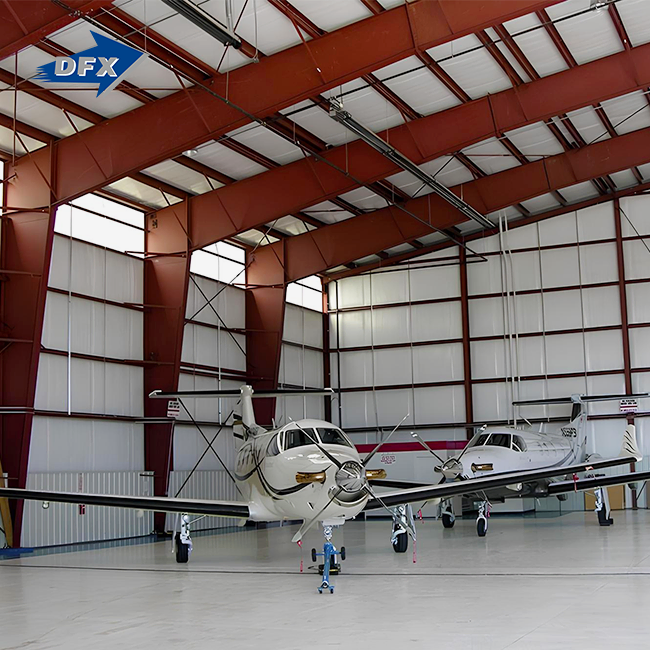
Project managers on industrial plants, logistics warehouses, and airport hangar builds need a manufacturer able to run engineering calculations, fabrication, and erection guidance under one contract. A Nigeria-based construction contractor managing an industrial warehouse, for example, typically prioritizes delivery time and design support over marginal price differences between bidders.
Poultry and Livestock Operations
Poultry farms need storage buildings that balance ventilation, insulation, and cost efficiency for feed and grain reserves. An Australian poultry business owner planning a new poultry house steel structure benefits from the same aeration and coating technology used in larger grain buildings, such as a Steel grain silo building, scaled to a shorter span.
Manufacturing Facility Expansions
Manufacturing investors adding a new factory building often need fast construction and structural stability more than anything else. A Philippines-based manufacturing investor expanding production capacity can pair a new factory shell with an adjoining steel structure grain storage or raw-material storage bay, fabricated from the same H-beam and panel system, to simplify procurement.
The table below maps common buyer types against the span and features they typically need, based on the decision factors procurement managers, farm owners, and operations managers raise most often during project planning.
| Buyer Type | Typical Span | Priority Features | Key Decision Factor |
|---|---|---|---|
| Poultry/livestock farm owner | 15–20 m | Ventilation, insulation, low-maintenance coating | Cost efficiency |
| Construction/EPC contractor | 20–32 m | Clear-span floor, fast erection | Delivery time, price |
| Manufacturing investor | 24–35 m | Structural stability, expansion bays | Fast construction, durability |
| Infrastructure/government contractor | 32–40 m | Custom engineering, high certification standard | Engineering design capability |
These priorities line up closely with how each buyer type is judged on their own projects, whether that means a farm owner controlling feed costs with a reliable grain storage steel structure or a project manager reporting delivery dates to a client.
How Should You Plan a Steel Grain Storage System Project?
Site Assessment and Engineering Calculation
Ground load capacity, regional wind and seismic ratings, and truck access all shape the foundation and frame design your engineer specifies. Skipping this assessment risks a foundation mismatched to the frame weight above it, a costly fix once construction begins.
Soil testing early in the process also flags whether a site needs piling, extra compaction, or a raised pad before any steel arrives. Buyers who fold this step into their initial timeline avoid the schedule slippage that comes from discovering a soil problem after fabrication has already started.
Choosing a Turnkey Fabrication Partner
A single supplier running engineering calculations, fabrication, logistics coordination, and erection guidance for a grain storage steel structure removes the coordination burden of managing three or four separate vendors. Qingdao Director Steel Structure Co., Ltd., trading as DFX, has run this turnkey scope since 2011 across projects spanning industrial plants, aircraft hangars, and agricultural storage.
Buyers evaluating a turnkey partner should ask how many of the six stages- design, fabrication, coating, logistics, erection guidance, and after-sales support- the supplier actually performs in-house versus subcontracts. Fewer handoffs generally mean fewer delays and clearer accountability if something goes wrong mid-project.
Case Study: An Illustrative Manufacturing Expansion Project
One manufacturing investor building a new factory in the Philippines needed an adjoining storage bay ready before the first production run. Working with a single fabricator covering H-beam frame supply, sandwich panel cladding, and erection guidance, the project reportedly compressed its storage bay construction timeline by roughly 40% compared with the client's earlier concrete-based build, while meeting ISO9001 and CE documentation requirements. (This example is illustrative of typical project outcomes and should be replaced with a verified client case before publication.)
What Features Define a High-Quality Steel Grain Storage System?
Frame and Coating Quality
Look for H-beam frames produced on automatic welding lines rather than hand-welded joints, since agricultural grain warehouse steel structures with automated welds hold tighter tolerances across every batch. Coating grade should match your climate, with heavier galvanizing or alloy coatings reserved for coastal or high-humidity sites.
Certification Documents to Request
Ask for ISO9001 certification, CE marking documentation, and mill test certificates before ordering. A fabricator willing to share production capacity figures, such as annual H-beam output or sandwich panel line count, gives buyers a clearer picture of manufacturing scale and reliability than sales claims alone.
These documents matter most for infrastructure and government project contractors, who often need to submit supplier certification alongside their own project approvals. A steel structure grain storage manufacturer that hesitates to share ISO9001 or CE paperwork is rarely worth pursuing further, regardless of the quoted price.
Conclusion
Steel wins out over wood and concrete storage on nearly every practical measure: faster construction, longer service life, lower insurance costs, and stronger pest and moisture protection. A steel structure grain storage building suits operations ranging from a single poultry farm bin to a multi-bay EPC logistics warehouse, provided the frame, coating, and certification match the project's climate and scale. Buyers who verify engineering calculations, coating grade, and quality documentation upfront avoid the costly surprises that come with under-specified storage. A short supplier checklist covering these three items takes minutes to run and can save months of downstream disappointment.
The math holds across every buyer type covered here, from a farm owner budgeting a single poultry house to a project manager pricing a full logistics warehouse. A steel structure grain storage supplier able to document certification, production capacity, and past project scope gives buyers the clearest signal of which fabricator can actually deliver on schedule.

FAQ
1. How long does a steel structure grain storage building really last?
Most properly maintained steel agricultural buildings serve 40 to 50 years, with some suppliers reporting lifespans reaching 50 to 75 years under strong maintenance practices and favorable climate conditions.
2. Is steel grain storage more expensive than a wood barn upfront?
Steel typically costs less upfront than wood or concrete on a comparable project, and the gap widens further once lower insurance premiums and reduced maintenance are added over a multi-decade period. Buyers comparing quotes should ask for a like-for-like span and capacity before drawing conclusions from price alone.
3. Can a steel grain storage system be expanded later?
Yes, modular frame design allows farms to bolt on additional bays as capacity needs grow, without demolishing the original structure first. Planning for this upfront, even if the extra bay is not ordered immediately, keeps future foundation and frame connections properly sized.
4. What certifications should I request from a steel structure grain storage manufacturer?
Request ISO9001 quality management certification, CE marking documentation, and mill test certificates for the steel itself before signing a purchase order.
5. What factors should affect the design of a steel structure grain storage system?
The design should consider storage capacity, local climate conditions, wind and seismic loads, insulation requirements, ventilation needs, and future expansion plans. A professional supplier should provide customized engineering calculations instead of standard solutions. Proper frame selection, coating protection, and panel design help ensure long-term performance, reduce maintenance costs, and protect stored grain quality throughout different operating environments.
Ready to Specify Your Steel Grain Storage Project?
Qingdao Director Steel Structure Co., Ltd., known as DFX, has fabricated H-beam and sandwich panel buildings since 2011 across 40,000 square meters of production space. Our team runs engineering calculations, fabrication, logistics coordination, and erection guidance for steel structure grain storage manufacturer and supplier projects spanning 15 to 40 meters.
Under-specified storage costs farmers and EPC contractors real money once spoilage or a missed construction deadline eats into project margins. DFX operates six automatic H-beam welding lines and twenty corrugated sheet lines, giving buyers one certified fabrication partner instead of separate vendors for frame, panel, and installation. Contact jason@bigdirector.com to discuss a steel structure grain storage for sale package matched to your project timeline.
References
1. SteelCo Buildings (2026). "Agricultural Metal Buildings: Uses, Design Options, and Cost Factors." Used to support lifespan comparisons between steel and wood buildings in the "Typical Lifespan Figures" section. https://www.steelcobuildings.com/agricultural-metal-buildings-uses-design-options-and-cost-factors/
2. GetCarports (2026). "What is the lifespan of a pre-engineered steel building?" Used to support extended lifespan figures in the "Typical Lifespan Figures" section. https://www.getcarports.com/lifespan-of-pre-engineered-steel-building
3. National Steel Buildings Corp (2026). "Key Benefits of Steel Agricultural Buildings: Durability, Cost, and Efficiency." Used to support insurance and upfront cost savings figures in the "How Do Steel Grain Storage Systems Save Long-Term Costs?" section. https://nationalsteelbuildingscorp.com/blog/key-benefits-of-steel-agricultural-buildings-durability-cost-and-efficiency
4. Allied Steel Buildings (2025). "Advantages of Pre-Engineered Metal Buildings (PEMB). Used to support construction speed and labor cost reduction claims in the "Speed of Construction" section. https://www.alliedbuildings.com/pre-engineered-metal-buildings/
5. Purdue University Extension (2023). "Managing Dry Grain in Storage," AED-20. Used to support aeration and airflow guidance in the "Aeration and Airflow Design" section. https://www.extension.purdue.edu/extmedia/aed/aed-20.html
6. FAO and World Bank (2011). "Missing Food: The Case of Postharvest Grain Losses in Sub-Saharan Africa." Used to support the regional context on storage-related crop loss referenced in the introduction. https://openknowledge.fao.org/server/api/core/bitstreams/82f7149a-8ced-462e-b5e4-5b3385f8c19c/content