- English
- French
- German
- Portuguese
- Spanish
- Russian
- Japanese
- Korean
- Arabic
- Greek
- German
- Turkish
- Italian
- Danish
- Romanian
- Indonesian
- Czech
- Afrikaans
- Swedish
- Polish
- Basque
- Catalan
- Esperanto
- Hindi
- Lao
- Albanian
- Amharic
- Armenian
- Azerbaijani
- Belarusian
- Bengali
- Bosnian
- Bulgarian
- Cebuano
- Chichewa
- Corsican
- Croatian
- Dutch
- Estonian
- Filipino
- Finnish
- Frisian
- Galician
- Georgian
- Gujarati
- Haitian
- Hausa
- Hawaiian
- Hebrew
- Hmong
- Hungarian
- Icelandic
- Igbo
- Javanese
- Kannada
- Kazakh
- Khmer
- Kurdish
- Kyrgyz
- Latin
- Latvian
- Lithuanian
- Luxembou..
- Macedonian
- Malagasy
- Malay
- Malayalam
- Maltese
- Maori
- Marathi
- Mongolian
- Burmese
- Nepali
- Norwegian
- Pashto
- Persian
- Punjabi
- Serbian
- Sesotho
- Sinhala
- Slovak
- Slovenian
- Somali
- Samoan
- Scots Gaelic
- Shona
- Sindhi
- Sundanese
- Swahili
- Tajik
- Tamil
- Telugu
- Thai
- Ukrainian
- Urdu
- Uzbek
- Vietnamese
- Welsh
- Xhosa
- Yiddish
- Yoruba
- Zulu
Agricultural Use of Steel Structure Hay Shed
If you manage a mid-size farm or run a large-scale forage operation, you already know how much hay loss costs you each season. Wet bales, pest damage, and fire risk from poor ventilation eat into your margins year after year. A steel structure hay shed addresses all three problems at once — and that is exactly why more American farm owners and agricultural project managers are switching to pre-engineered metal buildings for hay storage.

Understanding Steel Structure Hay Sheds: Features and Benefits
What Is a Steel Structure Hay Shed?
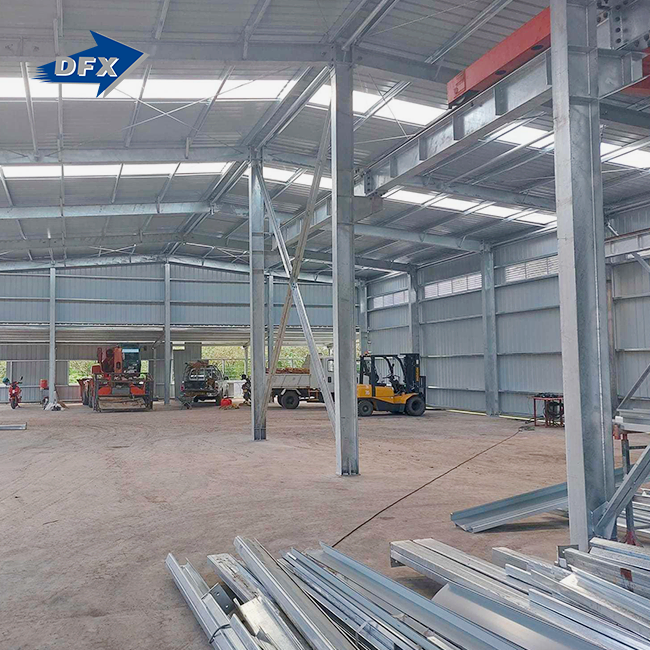
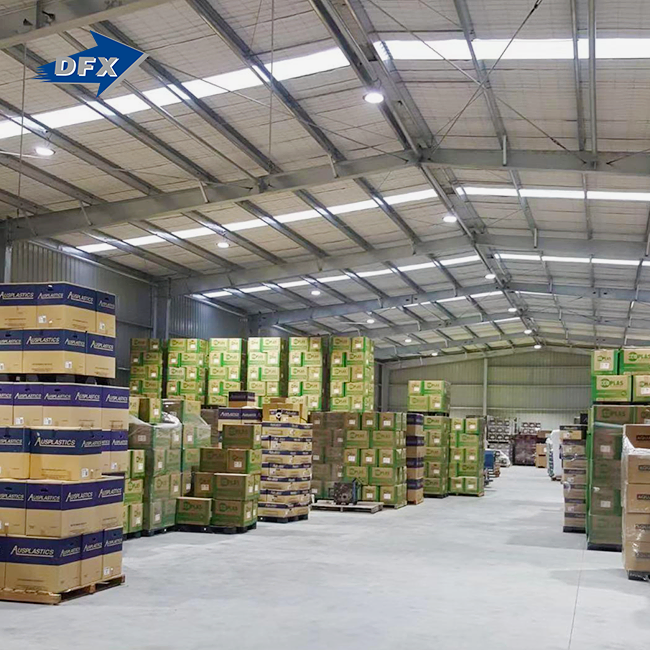
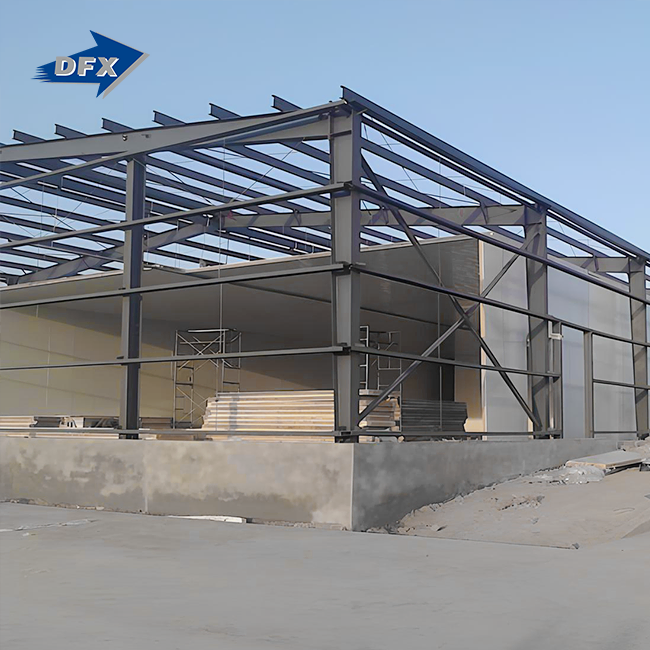
A steel structure hay shed is a metal building that has already been built to store farm forage. The rigid portal frame system is made up of steel columns and beams in an H shape, and C/Z galvanized purlins are used as additional parts. The roof cladding and, based on the form, some or all of the sidewall cladding are attached to the frame. Standard clear-span widths are more than 30 meters, which means that no interior columns get in the way of telehandlers or bale stackers.
Open-Sided vs. Fully Enclosed Designs
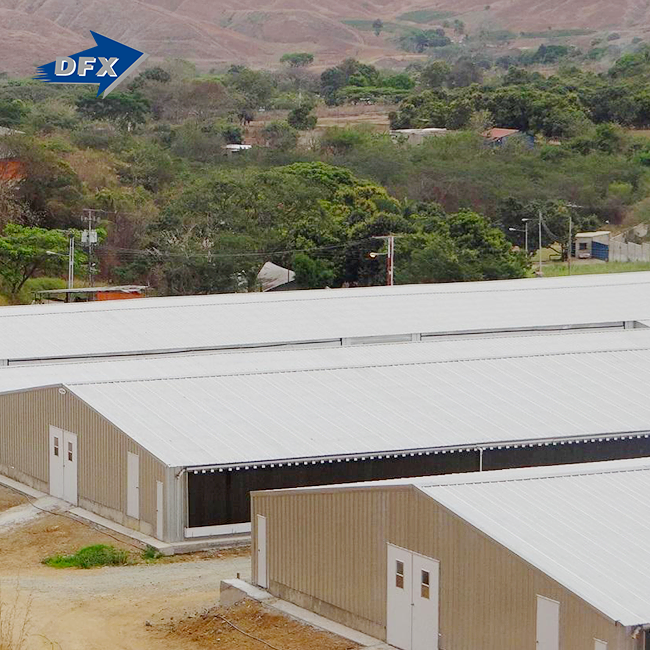
It comes in two main styles: one with open sides and one with all sides closed in. Cross-ventilation through open-sided sheds naturally gets rid of the heat that is produced by curing hay and lowers the risk of spontaneous fire, which is a real worry for material that has just been baled. Sheds that are completely covered are better at keeping out driving rain and wind-blown garbage. Director Steel offers both options. Which one you choose will rely on the weather where you live and the type of forage you store.
Why Steel Outperforms Timber and Fabric Options
As an example, steel is much more resistant to fire, rot, mold, and bug invasion than wood. Hot-dip galvanized frames that meet ISO 1461 standards and have coating weights above 600 g/m² protect against the acidic environment that fermenting hay and fertilizer runoff create. Steel also has a Class A fire resistance grade, which means that farm insurance costs are lower. Fabric designs, on the other hand, break down when exposed to UV light and don't protect against fire at all.
Steel vs. Wooden Hay Sheds: Durability, Cost, and Maintenance Comparison
Long-Term Structural Integrity
A properly coated steel hay shed is meant to last between 25 and 50 years with almost no upkeep. Wooden pole barns, on the other hand, usually need new posts every 10 to 15 years because of ground-contact rot, which happens more often in wet places. The American Farm Bureau Federation says that one of the top three reasons for on-farm storage loss in the US is structural failure.
Total Cost of Ownership
Steel costs more up front than wood, but over its lifetime, it's cheaper. Before you decide, you should think about these main cost differences:
- Steel structure hay shed: Higher initial capital outlay, but near-zero structural repair costs over a 30-year span, no annual pest treatment, and lower insurance premiums due to fire resistance.
- Timber pole barn: Lower purchase price, but recurring costs for repainting, post replacement, pest control, and potential partial rebuilds after severe weather events add up significantly over time.
When purchasing managers at medium- to big farms do a 10-year total cost study, these numbers show that steel is almost always the best choice.
Maintenance Requirements in Practice
Every so often, steel buildings need to have their bolt pressure at connection points, drain clearance, and any scratched coatings fixed. That's about one day a year for maintenance on a normal 20 m x 50 m shed. A similar wood shed usually needs two to four days of work a year, plus regular checks of the structure after storms.
How to Build and Procure a Steel Structure Hay Shed: Step-by-Step Guide
Planning Phase: Sizing and Specification
To find the size, start by figuring out the largest amount of space you need to store things, in cubic meters. Think about the eave height. Most businesses that sell hay need at least 7 to 9 meters to stack big square bales efficiently. Include the wind and snow load requirements for your area. For example, in the open plains of the U.S., design wind speeds of 120 km/h or higher are common. Tell your provider about these details early on so that the structural engineer can make sure that the portal frames are the right size.
Prefabricated Kit vs. Custom Build
Because the design is standard, prefabricated steel building kits can be delivered faster and cost less to engineer. With custom-built choices, you can choose from different sizes, built-in lean-tos, or fleece linings on the roof pieces to keep condensation away. Both methods are available from Director Steel, along with standard design paperwork, fabrication plans, packing lists, and full installation drawings. This gives a local contractor all the information they need to build the building on-site.
Supplier Vetting and Procurement Best Practices
For a steel structure hay shed, to find a seller of a steel hay shed, look for one that has ISO 9001 certification, CE marks, and any regional compliance certificates like COC or PVOC. As per AWS D1.1 standards, reputable makers test full-penetration butt welds with either ultrasonic waves or magnetic particles. Ask to see their weld inspection records. Check the thickness of the galvanization with a magnetic gage report; aim for at least 85 microns on average. Director Steel has ISO, CE, COC, and PVOC certifications, and it has six automated H-beam production lines that make about 20,000 tons of welded H-beams every year.
Making the Right Decision: Choosing the Best Steel Structure Hay Shed for Your Farm Comparing Structural Options Side by Side
Sheds made of steel portal frames, barns made of timber poles, and structures wrapped in cloth can all be used in different ways and on farms with different budgets. Steel is good for jobs that need to last, keep people safe from fire, and keep machines clear. Timber is good for very small farms that don't have a lot of money. Fabric sheds are only good for short-term or seasonal storage.
Key Selection Factors
There's more to picking the right shed than just price. Before you sign any buy order, you should give equal weight to the following things:
- Clear span width: Verify that the design accommodates your largest piece of equipment, whether that is a telehandler, tractor, or bale wagon.
- Expansion capability: Steel portal frame buildings can extend lengthwise by adding bays. Remove the end-wall cladding and bolt on additional frames — no structural demolition required.
- Environmental conditions: Coastal or high-humidity zones require heavier galvanization; arid regions may only need standard paint systems.
- Application versatility: Beyond hay storage, the same steel shed structure works for vehicle parking, farm equipment storage, and maintenance workshops.
These tips can help farm owners and project managers for agricultural projects make a purchase choice that they won't regret in five years.
Certifications and Quality Assurance as Trust Indicators
Only buy from fabricators whose goods have third-party approvals that can be checked. The buildings made by Director Steel have CE, ISO, COC, and PVOC certificates. These certificates show that every weld, bolt, and finish meets international standards. Buyers in the US and other countries can be sure of this.
Optimization and Future Trends in Steel Structure Hay Sheds for Agriculture
Corrosion-Resistant Coatings and Anti-Condensation Systems
For a steel structure hay shed, the biggest problem with metal roofs on hay sheds is that they let water drip onto the hay. The solution is easy: put an anti-condensation blanket, also known as drip-stop, on the bottom of the roof sheets or ask for insulated sandwich panels. Both methods break the thermal bridge between the cold steel and the warm, damp air inside the building, which keeps the quality of the hay safe overnight.
Modular Construction and Scalability
For farms that grow in stages, the market is strongly moving toward pre-engineered modular buildings. With a modular design, you can start with a 20 m x 30 m bay and add another 30 m of length the next season without having to change the first structure. Because Director Steel has a short production cycle, more bays can be built and sent out in weeks instead of months, which helps with plans to grow the farm.
Sustainability and Lifecycle Management
Compared to treated wood, steel can be recycled over and over again, which means less trash ends up in landfills. As electric arc furnace technology gets better, the amount of carbon that is contained in a kilogram of coated structural steel keeps going down. A steel hay building will last for decades if it gets proactive lifecycle management, such as bolt checks, gutter upkeep, and paint touch-ups once a year. This also protects its selling or asset value on farm balance sheets.
Conclusion
A steel structure hay shed is one of the best purchases a farm can make in its infrastructure. It is safer in case of fire, less likely to attract pests, easier to get to, and requires less maintenance each year than alternatives made of wood or fabric. Pre-engineered steel works well whether you need a building with open sides to let in fresh air for foraging or a building with no openings at all for long-term storage. Since 2011, Director Steel has been making certified steel buildings. Our team is ready to help you find the right answer for your business by helping you size, define, and find it.
FAQ
Q1: How do I prevent hay combustion inside a steel shed?
Passive ventilation is the primary control method. Open sidewalls, ridge vents, and high eave heights encourage continuous airflow that dissipates heat from curing hay. For fully enclosed sheds, louvered vents in the gable ends serve the same function. Monitoring internal temperature during the first four weeks after stacking is also good practice.
Q2: Will the steel frame rust from hay sap and moisture?
Hot-dip galvanized frames resist the acidic environment produced by fermenting hay far better than painted steel. The zinc barrier provides cathodic protection, meaning even if the surface is scratched, the surrounding zinc continues to protect the base metal. Painted-only finishes do not offer this secondary protection.
Q3: Can I expand the shed later?
Yes. The modular portal frame system allows lengthwise expansion without structural demolition. Remove the end-wall cladding, bolt additional bays onto the existing end frame, and reinstall cladding on the new gable end.
Q4: What certificates should a hay shed supplier hold?
Look for ISO 9001, CE marking, and regional compliance certificates relevant to your market. Director Steel holds ISO, CE, COC, and PVOC certifications, all verifiable through third-party audit records.
Get Your Steel Hay Shed Quote from Director Steel Today
Since 2011, Director Steel has sold steel buildings with ISO and CE certification to farm owners and construction companies on six continents. As a reliable steel structure hay shed maker, we include standard design, fabrication, packing, and assembly drawings all in one package, so you don't have to hire a third party to coordinate everything. You can email our team at jason@bigdirector.com to get a price for your job and technical advice.
References
1. American Farm Bureau Federation. Farm Infrastructure and Storage Loss Report. 2022.
2. Steel Construction Institute. Design Guide for Agricultural Steel Buildings. 2020.
3. International Organization for Standardization. ISO 1461: Hot Dip Galvanized Coatings on Fabricated Iron and Steel Articles. 2009.
4. American Welding Society. AWS D1.1/D1.1M: Structural Welding Code — Steel. 2020.
5. USDA National Agricultural Statistics Service. Farm Building and Facility Inventory Report. 2021.
6. Metal Building Manufacturers Association (MBMA). Metal Building Systems Manual. 2019.
Learn about our latest products and discounts through SMS or email