- English
- French
- German
- Portuguese
- Spanish
- Russian
- Japanese
- Korean
- Arabic
- Greek
- German
- Turkish
- Italian
- Danish
- Romanian
- Indonesian
- Czech
- Afrikaans
- Swedish
- Polish
- Basque
- Catalan
- Esperanto
- Hindi
- Lao
- Albanian
- Amharic
- Armenian
- Azerbaijani
- Belarusian
- Bengali
- Bosnian
- Bulgarian
- Cebuano
- Chichewa
- Corsican
- Croatian
- Dutch
- Estonian
- Filipino
- Finnish
- Frisian
- Galician
- Georgian
- Gujarati
- Haitian
- Hausa
- Hawaiian
- Hebrew
- Hmong
- Hungarian
- Icelandic
- Igbo
- Javanese
- Kannada
- Kazakh
- Khmer
- Kurdish
- Kyrgyz
- Latin
- Latvian
- Lithuanian
- Luxembou..
- Macedonian
- Malagasy
- Malay
- Malayalam
- Maltese
- Maori
- Marathi
- Mongolian
- Burmese
- Nepali
- Norwegian
- Pashto
- Persian
- Punjabi
- Serbian
- Sesotho
- Sinhala
- Slovak
- Slovenian
- Somali
- Samoan
- Scots Gaelic
- Shona
- Sindhi
- Sundanese
- Swahili
- Tajik
- Tamil
- Telugu
- Thai
- Ukrainian
- Urdu
- Uzbek
- Vietnamese
- Welsh
- Xhosa
- Yiddish
- Yoruba
- Zulu
Steel Structure Supermarket vs. Concrete: Key Differences
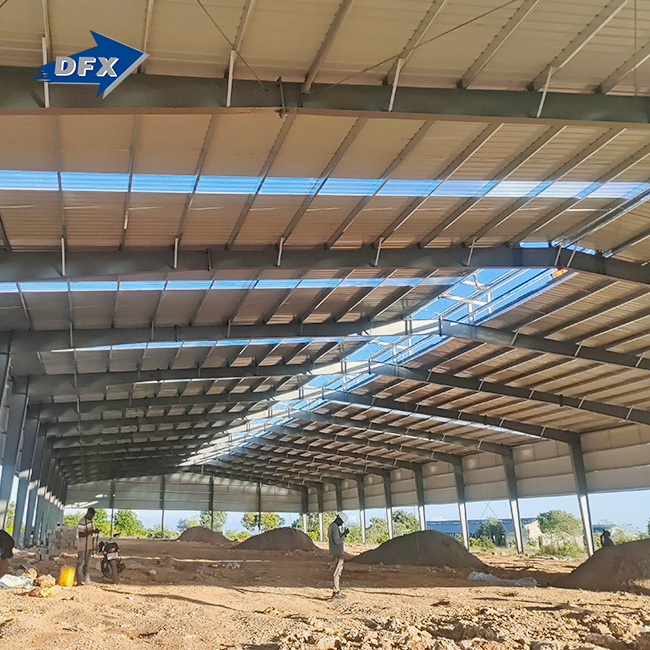
When choosing between a steel structure supermarket and a concrete retail building, the decision shapes your project timeline, budget, and long-term operational costs. A steel structure supermarket uses prefabricated H-section steel frames — typically Q355B or ASTM A572 Gr50 — to create clear-span interiors from 20m to 60m, eliminating interior columns and freeing up floor space for shelving and customer flow. Concrete builds on proven thermal mass but trades speed and flexibility for durability. This comparison helps procurement managers, EPC contractors, and developers make a grounded choice.

Overview of Steel Structure and Concrete Supermarkets
What Is a Steel Structure Supermarket?
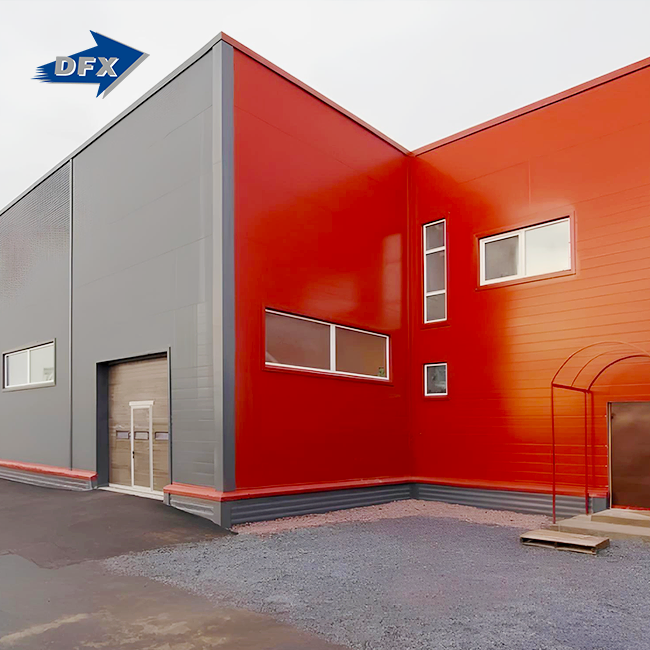
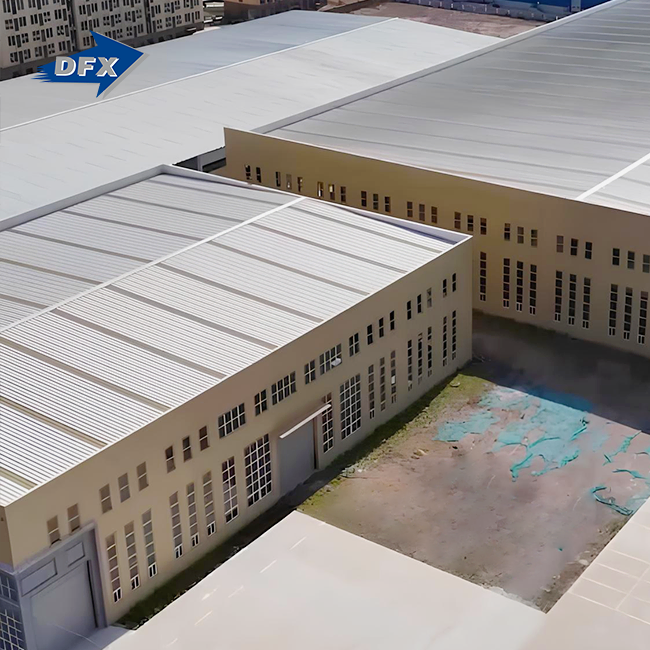
A steel structure supermarket is a Pre-Engineered Building (PEB) system made up of steel parts that were made in a factory. These parts include welded H-beams, cold-formed C/Z purlins, composite floor decks, and architectural cladding systems like glass curtain walls or sandwich panels. These buildings are made in a way that is ISO 9001- and CE-certified, and they are made for shopping malls, business plazas, and retail areas. When you buy this system, you get structural design, manufacturing, and MEP management all in one package. This makes it perfect for project-based buying.
What Is a Concrete Supermarket?
Frames and blocks made of cast-in-place or precast reinforced concrete are what hold up a concrete store. This method has been used in retail for decades and is known for its load-bearing strength and natural thermal mass, which means it can absorb heat and slowly release it, which can lower the need for air conditioning in some areas. On-site work with concrete is very hard and needs to cure for at least 28 days before full structural loads can be put on it.
How Each Approach Is Used Globally
Steel structure supermarket projects have been slowly rising in popularity in Southeast Asia, Africa, Australia, and North America. The Metal Building Manufacturers Association (MBMA) says that more than 60% of all new low-rise business buildings in the US are pre-engineered steel buildings. In places where materials are cheap or where building codes require mass-based systems, concrete is still the best choice.
Key Differences Between Steel Structure and Concrete Supermarkets
Construction Speed and Timeline
When compared to traditional concrete methods, steel structures cut project times by 30–50%. Prefabrication takes place in the factory while foundation work is done on-site at the same time. For a similar-sized concrete frame, the casting, formwork, and sealing must all be done in order before the next floor level can be added. It's clear that this time gap means lost sales for stores that want to open before a busy season.
Cost: Upfront and Over the Lifecycle
The foundation costs for steel buildings are usually lower than those for concrete buildings because the steel itself is much lighter. A steel frame for a storefront can weigh 30–40% less than a concrete frame of the same size, which lowers the cost of civil engineering at the base. The cost of raw steel changes, but the faster build time and less work make up for it. Over the course of 30 years, properly coated steel with hot-dip galvanization at ≥275 g/m² or epoxy zinc-rich paint has the same upkeep costs as concrete. However, at the end of its life, it has a higher leftover scrap value.
Structural Performance and Flexibility
Steel frames are designed to withstand wind loads of more than 0.60 KN/m², snow loads in the area, and earthquakes up to Grade 8 levels of strength. When compressed, concrete works well, but it takes more material mass to get the same span lengths. Steel's clear-span benefit is especially useful in hypermarket plans with column-free floor areas that allow for high-rack storage, forklift movement, and open aisles for customers all at the same time.
Operational Benefits of Steel Structure Supermarkets Over Concrete
Design Adaptability for Retail Formats
One of the best things about steel business buildings is how easy they are to change in the future. Every couple of years, retail formats change because tenants grow, brands redesign, and floor plans move around. When you use steel, you don't have to take down load-bearing concrete walls to remove end-wall covering and put on more bays. This flexible method saves a lot of money when the needs of the business change.
When it comes to operations, steel store buildings are better than concrete ones in the following ways:
- Expansion without demolition: New structural bays bolt directly onto the existing frame, avoiding disruption to active retail operations. This process typically takes weeks rather than months, keeping the store trading.
- Insulation performance: 50mm–100mm polyurethane or PIR sandwich panels achieve fire ratings of B1 to A-level and deliver R-values suitable for HVAC efficiency. Fresh produce and cold-chain zones benefit from thermal break technology built into the panel system.
- Corrosion management in high-humidity zones: For areas with refrigeration or fresh food counters, hot-dip galvanized components or stainless steel fasteners prevent rust accumulation, extending service life reliably.
For steel structure supermarket projects, steel is the best choice for business retail operators who are in charge of multiple sites because of these benefits, as it requires less upkeep and lowers long-term running costs.
Maintenance Simplicity
Steel parts have cladding pieces that can be replaced and finishes that don't rust, so changes can be made to specific areas instead of the whole structure. When concrete is cracked or spalled, it needs more expensive repairs like epoxy filling or re-casting.
Energy Efficiency Through the Building Envelope
When it comes to controlling heat movement, the sandwich panel cladding method used on prefabricated store buildings is better than standard-thickness poured concrete walls. When combined with clear-span interiors that allow for efficient HVAC layouts, energy costs can be cut by a large amount over the life of the building.
Procurement Considerations for Steel Structure Supermarkets Supplier Certification and Capacity
Check that the steel structure supermarket supplier has ISO 9001 certification, CE marking, and, if needed, COC or PVOC certifications based on the market it will be sold in. As a project goes through different stages, a supplier with six automatic welded H-beam production lines and dedicated sandwich panel lines can make sure that deliveries are always on time. An annual production capacity number, like 20,000 tons of welded H-beams, gives procurement teams a good idea of how reliable fulfillment is.
Budgeting and Turnkey Delivery
When you use project-based production, prices depend on the plan drawings, the steel grade, and the conditions at the site. Ask for quotes that include everything from building the structure to the exterior and working with the MEP and façade systems. Turnkey packages that include structure design, manufacturing, and installation instructions cut down on the risk of coordination problems and speed up the buying process.
Managing Supply Chain Risk
For a steel structure supermarket, pre-made steel parts come in standard containers with clear instructions on how to put them together. This cuts down on confusion and extra work that needs to be done on-site. Getting concrete materials locally can vary in quality, but factory-controlled steel production ensures consistent size accuracy, with bolt-hole specs held within ±2mm for clean assembly on-site.
Case Studies and Industry Insights
Large-Format Retail in West Africa
After looking at both overall project timelines, the procurement manager in charge of a logistics and retail development in Nigeria chose a steel building made of steel over concrete. The steel option provided a building that was already put together 14 weeks after the order was confirmed, while the concrete option was expected to take 26 weeks. There were no middle beams in the clear-span interior, which allowed a full racking system.
Cold-Chain Market in Southeast Asia
A manufacturing investor in the Philippines who was building a building that would process food and sell it to the public asked for steel with PIR sandwich panels built in to keep different temperature zones stable. The panel system met the thermal performance goals without the high costs that come with insulated concrete walls. This meant that more floor space could be used inside.
Agricultural Retail Complex in Australia
A large farming business needed a place to store goods and sell them in the country. The prefabricated steel building came in labeled component kits with construction plans. This meant that a small local crew could put the structure together with help from afar, which is helpful when expert builders are not nearby.
Conclusion
Steel structure supermarkets outperform concrete in terms of speed, design freedom, and lifetime cost management. The data shows that steel is the best material for modern store buildings for procurement managers, EPC contractors, industrial investors, and commercial developers. In some situations, concrete is still useful, but pre-made steel always does well when project timelines and plan flexibility are important. The key to turning those advantages into a completed project is choosing a certified supplier with in-house design skills and a track record of production capacity.
FAQ
Q1: How long does a steel retail building last compared to concrete?
If the surface is properly treated with hot-dip galvanization or good paint methods, an industrial steel building can last at least 50 years, which is about the same as a concrete building. It's also worth more as scrap steel than concrete at the end of its useful life.
Q2: Is steel more cost-effective than concrete over the full project lifecycle?
Most of the time, yes. Higher prices for raw materials are balanced out by lower foundation loads, faster build schedules, and lower labor costs. In the past 30 years, lifecycle cost analyzes have consistently shown that steel is better for medium- to big-business buildings.
Q3: How does a steel supermarket building handle fire safety requirements?
Fireproof coatings called intumescent coatings are put on structural steel members. When these coatings get hot, they expand and insulate the steel for two to four hours. This meets the standard fire resistance ratings that most building codes require.
Q4: Can the structure be expanded after the original build?
Yes. To add new bays to the current frame, take off the end-wall panels and bolt on the longer pieces. It is normal for prefabricated steel store buildings to have this feature. With concrete buildings, it is not possible to do this without tearing them down completely.
Start Your Steel Retail Project with Director Steel
Since 2011, Director Steel has been supplying certified steel business buildings. They have been making buildings for over 12 years and have 40,000 m² of protected production space. We offer steel structure supermarket packages that include design, fabrication, MEP coordination, and installation support. These packages are all certified by ISO 9001 and CE. To get a project quote from a reliable steel structure supermarket manufacturer, email our team at jason@bigdirector.com. We answer every question with pricing and technical drawings that are unique to the job.
References
1. Metal Building Manufacturers Association (MBMA). Metal Building Systems Manual. 2023.
2. American Institute of Steel Construction (AISC). Steel Construction Manual, 16th Edition. 2023.
3. International Finance Corporation (IFC). Green Building Design in Emerging Markets. 2022.
4. McGraw-Hill Construction. Prefabrication and Modularization: Increasing Productivity in the Construction Industry. 2011.
5. Steel Construction Institute (SCI). Design of Steel Structures for Buildings: A Comparative Analysis. 2020.
6. World Steel Association. Steel's Contribution to a Low Carbon Future and Climate Resilient Societies. 2022.
Learn about our latest products and discounts through SMS or email