- English
- French
- German
- Portuguese
- Spanish
- Russian
- Japanese
- Korean
- Arabic
- Greek
- German
- Turkish
- Italian
- Danish
- Romanian
- Indonesian
- Czech
- Afrikaans
- Swedish
- Polish
- Basque
- Catalan
- Esperanto
- Hindi
- Lao
- Albanian
- Amharic
- Armenian
- Azerbaijani
- Belarusian
- Bengali
- Bosnian
- Bulgarian
- Cebuano
- Chichewa
- Corsican
- Croatian
- Dutch
- Estonian
- Filipino
- Finnish
- Frisian
- Galician
- Georgian
- Gujarati
- Haitian
- Hausa
- Hawaiian
- Hebrew
- Hmong
- Hungarian
- Icelandic
- Igbo
- Javanese
- Kannada
- Kazakh
- Khmer
- Kurdish
- Kyrgyz
- Latin
- Latvian
- Lithuanian
- Luxembou..
- Macedonian
- Malagasy
- Malay
- Malayalam
- Maltese
- Maori
- Marathi
- Mongolian
- Burmese
- Nepali
- Norwegian
- Pashto
- Persian
- Punjabi
- Serbian
- Sesotho
- Sinhala
- Slovak
- Slovenian
- Somali
- Samoan
- Scots Gaelic
- Shona
- Sindhi
- Sundanese
- Swahili
- Tajik
- Tamil
- Telugu
- Thai
- Ukrainian
- Urdu
- Uzbek
- Vietnamese
- Welsh
- Xhosa
- Yiddish
- Yoruba
- Zulu
Steel Structure Hay Shed Design: Reduce Spoilage & Store Right
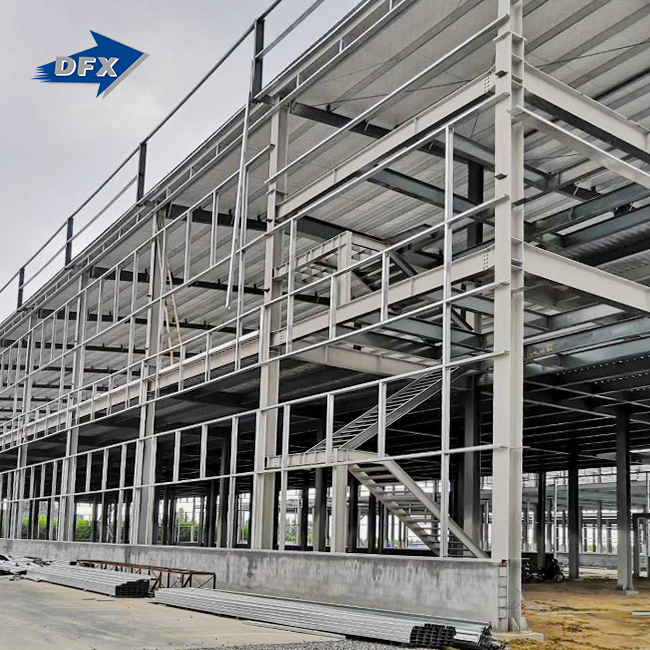
A well-designed steel structure hay shed is one of the most practical investments a farm or agricultural operation can make. Built with H-section beams and columns, C/Z galvanized purlins, and either open or closed side configurations, these pre-engineered metal buildings protect hay from moisture, pests, and weather damage. Studies show that poor hay storage can cause dry matter losses of 20–40%, directly cutting feed quality and profit margins. This guide covers everything from design principles and construction steps to supplier selection—so you store right and waste less.

Understanding Steel Structure Hay Sheds: Benefits and Design Fundamentals
Before choosing a way to store things, it's helpful to know what makes a purpose-built metal hay barn different from a regular shed.
What Makes Steel the Right Material for Hay Storage
For storing hay, steel works better than wood in almost every measurable way. It doesn't rot, keeps rodents away, and doesn't pose a fire risk—all of which are very important when storing dry feed. Hot-dip galvanized frames (meeting ISO 1461 standards, usually over 600 g/m²) protect against the acidic environment made by rotting hay and manure runoff. This means that the frame can be used for 25 to 50 years with little maintenance.
Airflow and Ventilation Design Principles
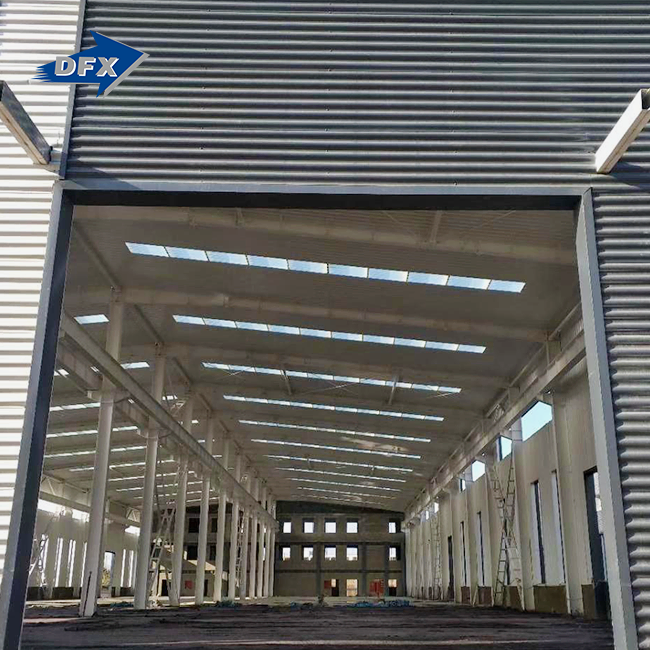
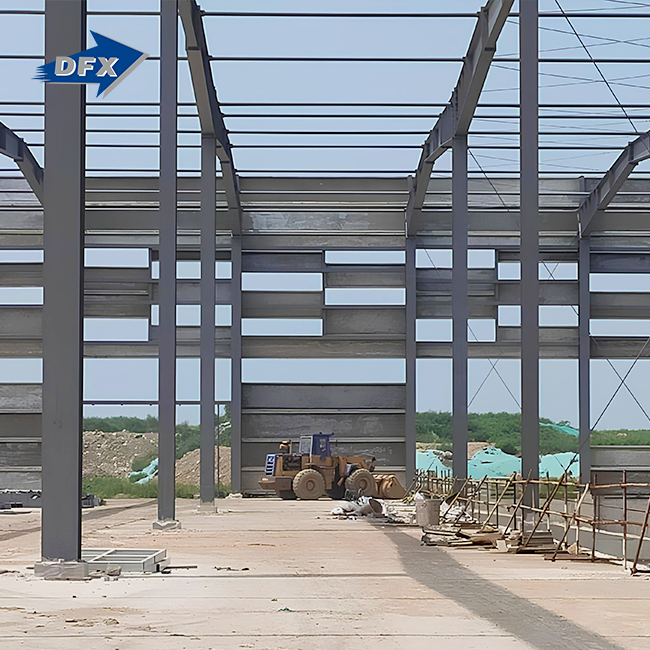
When temperatures inside hay stacks rise above 170°F, there is a real chance that they will catch fire on their own. Designs with open sides and high roof vents let air flow passively, which constantly gets rid of heat and humidity. Clear-span portal frames—which are often longer than 30 meters—do not have interior columns, so telehandlers and bale stackers can move around easily. This directly lowers damage to bales during stacking and retrieval, which keeps the protein levels in feed at levels that are good for export.
Scalable Configurations for Any Operation
The modular design of a pre-engineered steel structure hay shed lets you change it to fit your needs, whether you are in charge of 500 acres or a professional forage trade hub. By taking off the end-wall cladding, you can add more bays that bolt onto the existing frame. This way, your structure can grow with your business. Closed-side models work well in wet climates, while open-sided models are better for dry areas where airflow is more important than weather protection.
How to Build a Steel Structure Hay Shed: Step-by-Step Guide for Procurement Managers
Done right from the start, the build saves time, money, and trouble during use. Here is a useful order that buying managers can follow.
Site Assessment and Foundation Requirements
Do a geotechnical study of the spot you want to use first. Soils that are soft or don't drain well need deeper footings or concrete plinths to safely support column loads. Concrete plinths raised about one meter above the ground protect columns in machinery lanes with a lot of foot traffic from being hit by a loader by mistake. Ground wetness can't get into stored bales if the site drains properly away from the edges.
Selecting Materials and Corrosion-Resistant Components
Q355B high-strength steel, which is the same as ASTM A572 Gr50, is usually used for the primary frame. The C/Z purlins, which are the secondary members, are hot-dip galvanized to protect them from corrosion. When used for roofing, anti-condensation fleece is put on the bottom of steel cladding panels to break the thermal bridge and soak up drip water before it gets to the bales. When phytosanitary rules are very strict, sealed sandwich walls help keep humidity levels lower.
Prefabricated Kits vs. Custom Builds—and Installation Choices
Prefabricated kits from an experienced steel structure hay shed maker come with matched bolt holes that are within ±1mm of each other, which cuts the time it takes to put the shed together on-site by a large amount. Before shipping, a factory trial assembly of key parts makes sure they fit. Custom builds can work with irregular shaped lots or buildings that are used for more than one thing, like storing hay and having equipment bays or parking for cars. Professional installation based on detailed construction plans cuts down on mistakes and guarantees claims in the field. On the other hand, your team can only assemble steel frames in-house if they have experience with them before.
Comparing Steel Hay Sheds with Alternative Storage Solutions: Making an Informed Decision
A lot of people who are buying things compare steel to open-air tarped stacks, fabric structures, and wooden pole barns. It is important to look closely at the differences in long-term cost and performance.
Durability and Pest Resistance
For a steel structure hay shed in wet places, timber pole sheds are more likely to rot, be damaged by termites, and soak up water. Long-term UV exposure breaks down fabric structures, and most makers say they should be replaced every 10 to 15 years. On the other hand, steel frames come with a structural stability promise that lasts at least 25 years if they are properly galvanized. If you work in a big dairy or feedlot where ammonia vapors are present, the only frame material that will not corrode over time is fully galvanized steel.
Roofing Material Comparison
Corrugated steel, aluminum, and polycarbonate are the three most common types of roofing materials. Each has pros and cons:
- Corrugated steel sheeting offers the best strength-to-cost ratio and is straightforward to repair. Its main limitation is condensation without an anti-drip coating.
- Aluminum roofing weighs less and resists coastal salt spray well, but costs more per square meter and dents more easily under hail impact.
- Polycarbonate panels admit natural light, reducing daytime lighting costs, but carry a shorter service life and higher replacement cost than steel.
Corrugated steel with anti-condensation fleece gives the best return on investment for most hay storage needs in the Midwest and southern states of the United States.
Long-Term ROI Analysis
The National Agricultural Statistics Service of the USDA says that U.S. fields lose billions of dollars every year because their hay goes bad because they don't store it properly. A well-built metal hay barn can cut down on storage costs from the average of 25–30% in the business to less than 5 percent. Lower maintenance costs, lower fire insurance rates (because steel has a Class A fire resistance rating), and a lifespan that is two to three times longer than wood options make steel a much better choice in terms of total cost of ownership.
Maintenance and Operational Tips to Extend Hay Shed Longevity and Reduce Spoilage
No matter how strong it is, a steel building still needs maintenance from time to time. Setting up regular checks saves both the building and its contents.
Routine Inspection Checklist
If possible, check the frame twice a year, in the spring and the fall. Look for early signs of rust at the bolt joints, scratches in the galvanizing from machinery impact, and any deformation in the purlins after heavy snow or wind events. After each season, clean out the gutters and drains so that water doesn't pool at the base of the columns.
Ventilation and Humidity Control by Season
To get the most passive airflow in the summer, fully open the ridge vents and any side panels that can be opened. During wet winters, use a hygrometer to check the relative humidity inside your home. You want it to be below 65% to stop mold from growing. When ventilation alone isn't enough, extra ridge ventilators or louvered end walls can be added without changing the structure.
Leak Detection and Targeted Repairs
If you don't fix a small roof leak, it can ruin a whole row of bales. After it rains a lot, walk across the floor and look for wet spots that could mean that panel seams or ridge cap seals have failed. It's much cheaper to replace a single corrugated panel or a tube of sealant that was used on a gap that wasn't holding together than to re-bale or throw away hay that has gone bad.
Procurement Guide: How to Select the Right Steel Structure Hay Shed Supplier?
The provider you pick is just as important as the style you pick. The wrong choice causes transport to be late, fit-up to be bad, and costly fixes to be made on site.
Key Certification and Quality Standards to Verify
For your steel structure hay shed, ask each possible seller to show proof that they are certified to meet ISO 9001 quality management standards, CE structure standards, COC standards, and PVOC standards. These papers prove that the steel meets international building standards and that the company that makes it has production controls that have been checked. As per AWS D1.1, a plant that takes quality seriously will test full-penetration butt welds with either ultrasonic testing (UT) or magnetic particle testing (MT). Check the thickness of the galvanizing by using a magnetic gauge that shows an average of at least 85 microns.
What to Include in Your RFQ
A well-written request for quotation speeds up the responses from suppliers and lets you compare prices correctly. List the clear-span width, bay spacing, eave height, necessary local wind and snow loads, desired cladding type (open sides or closed sides), planned use (hay storage, parking for vehicles, equipment storage, or maintenance shed), and delivery date you need. When suppliers provide standard design, fabrication, packing, and installation plans as part of their service, it makes your own engineering team's job easier.
Evaluating Delivery Lead Times and After-Sales Support
When a project has a set date for when it will be finished, short production cycles are important. Ask for a written plan of when the goods will be made and shipped, and make sure the seller has experience sending goods to your country with the right paperwork. A long-term partner is different from a one-time transaction seller because they offer after-sales support, such as access to new fasteners, panel offcuts, and expert help during installation.
Conclusion
It's not hard to store hay well, but you need the right steel structure hay shed. With galvanized framing, a clear-span plan, and good airflow, a well-designed pre-engineered metal hay barn can cut storage losses from 25–30% down to less than 5%. Steel is much more durable than wood or cloth when it comes to weather, pests, and the acidic environment of rotting feed. Your business can get the building it needs on time and on budget if it works with the right supplier who offers certified materials, short lead times, and full erection documentation.
FAQ
Q1: How do I prevent hay from catching fire inside a steel shed?
Passive ventilation is the primary safeguard. Open sidewalls and ridge vents allow continuous airflow that dissipates the heat from curing hay before temperatures reach dangerous levels. Avoid stacking freshly baled hay against closed walls; leave air gaps between rows.
Q2: Will the steel frame rust from hay sap and moisture?
Hot-dip galvanized frames create a zinc barrier that resists the acidic environment of damp hay. Painted frames alone are not sufficient for long-term protection. Specify galvanizing to ISO 1461 standards with a coating weight above 600 g/m².
Q3: Can the shed be expanded later?
Yes. The portal frame design allows lengthwise expansion by removing the end-wall cladding and bolting additional bays onto the existing structure. Plan the foundation of the original end wall accordingly during the first build.
Q4: What floor area do I need per ton of hay stored?
Round bales stacked three high typically need about 10–12 square feet per ton. Large square bales stacked four high require roughly 8–10 square feet per ton. Clear-span frames with no internal columns let you use the full floor area efficiently.
Partner with Director Steel for Your Next Hay Storage Project
Director Steel's 40,000 m² factory in Qingdao, China, has been making pre-engineered metal buildings since 2011. We have ISO 9001, CE, COC, and PVOC certifications and make over 20,000 tons of welded H-beams every year. We are a trusted steel structure hay shed provider. We offer standard design, manufacturing, export packing, and full erection plans. This is all the help you need from the time you ask for it until it is installed. To get a quote right away, email our team at jason@bigdirector.com.
References
1. USDA National Agricultural Statistics Service. Hay Stocks Summary. 2023.
2. Collins, M., & Owens, V. N. Hay and Silage Management in North America. Crop Science Society of America, 2019.
3. American Institute of Steel Construction (AISC). Steel Construction Manual, 16th Edition. 2023.
4. International Organization for Standardization. ISO 1461: Hot-Dip Galvanized Coatings on Fabricated Iron and Steel Articles. 2022.
5. Rotz, C. A., & Muck, R. E. "Changes in Forage Quality During Harvest and Storage." Forage Quality, Evaluation, and Utilization, American Society of Agronomy, 2014.
6. Farm Building Standards Committee. Agricultural Buildings Handbook: Steel Frame Structures. Midwest Plan Service, 2020.
Learn about our latest products and discounts through SMS or email