- English
- French
- German
- Portuguese
- Spanish
- Russian
- Japanese
- Korean
- Arabic
- Greek
- German
- Turkish
- Italian
- Danish
- Romanian
- Indonesian
- Czech
- Afrikaans
- Swedish
- Polish
- Basque
- Catalan
- Esperanto
- Hindi
- Lao
- Albanian
- Amharic
- Armenian
- Azerbaijani
- Belarusian
- Bengali
- Bosnian
- Bulgarian
- Cebuano
- Chichewa
- Corsican
- Croatian
- Dutch
- Estonian
- Filipino
- Finnish
- Frisian
- Galician
- Georgian
- Gujarati
- Haitian
- Hausa
- Hawaiian
- Hebrew
- Hmong
- Hungarian
- Icelandic
- Igbo
- Javanese
- Kannada
- Kazakh
- Khmer
- Kurdish
- Kyrgyz
- Latin
- Latvian
- Lithuanian
- Luxembou..
- Macedonian
- Malagasy
- Malay
- Malayalam
- Maltese
- Maori
- Marathi
- Mongolian
- Burmese
- Nepali
- Norwegian
- Pashto
- Persian
- Punjabi
- Serbian
- Sesotho
- Sinhala
- Slovak
- Slovenian
- Somali
- Samoan
- Scots Gaelic
- Shona
- Sindhi
- Sundanese
- Swahili
- Tajik
- Tamil
- Telugu
- Thai
- Ukrainian
- Urdu
- Uzbek
- Vietnamese
- Welsh
- Xhosa
- Yiddish
- Yoruba
- Zulu
How Does an Electronic Assembly Steel Workshop Support Manufacturing?
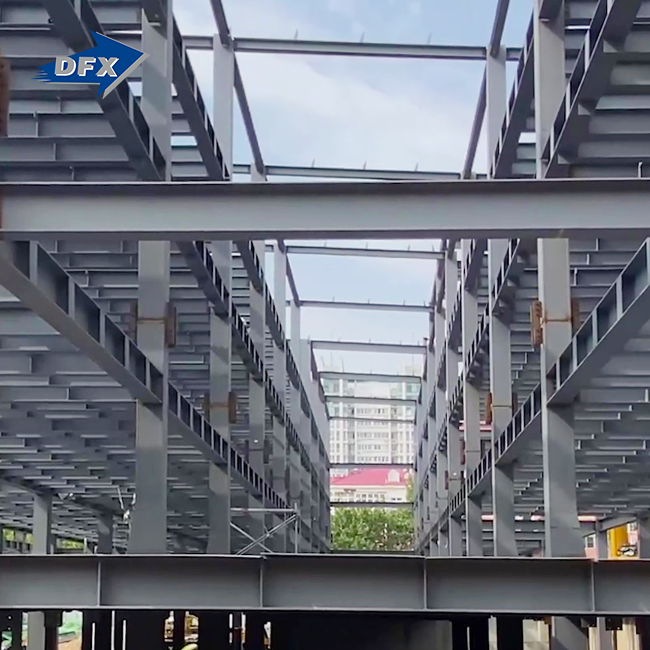
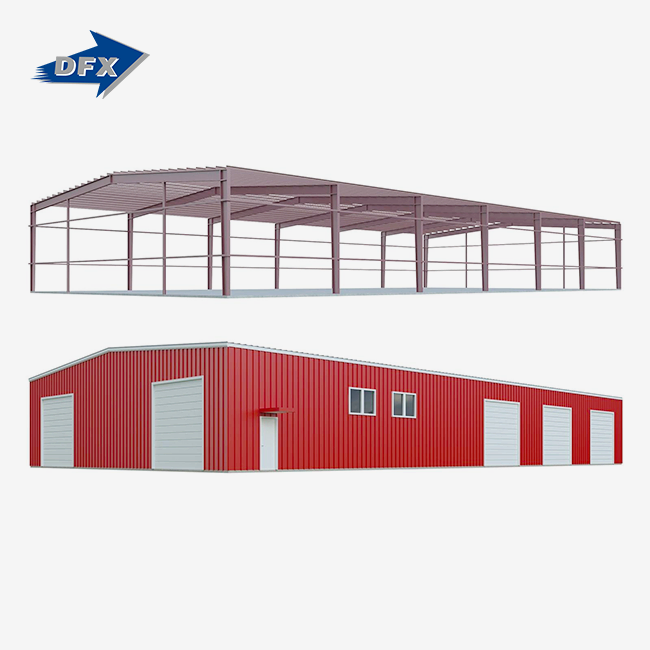
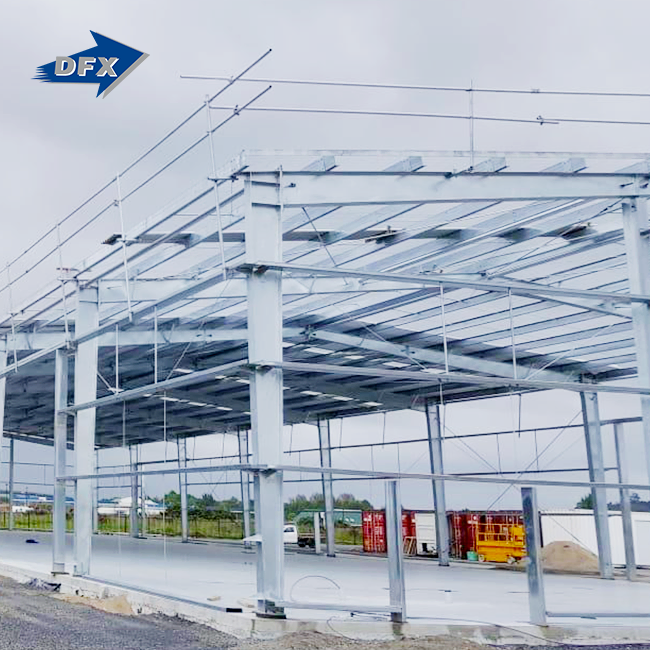
An electronic assembly steel workshop provides the physical and structural foundation that modern electronics production depends on. Built with welded H-section steel frames using Q235 or Q355 grade material, these facilities create large clear-span interiors free of column interference — exactly what SMT lines, PCB assembly, and precision testing equipment require. The rigid steel envelope controls vibration, supports heavy HVAC and filtration loads, and integrates ESD grounding paths directly into the building frame. For manufacturers scaling operations or building new plants, this workshop type balances speed of construction, long-term durability, and strict environmental control.

Understanding the Role of an Electronic Assembly Steel Workshop in Manufacturing
Structural Integrity That Protects Precision Equipment
The yield strength of steel, which is about 345 MPa for Q355 grade, makes the building frame stiff enough to keep sensitive placement machines from being affected by floor shaking. Standard requirements for this kind of building are deflection limits between L/500 and L/800. Micro-movement mistakes are cut down by that much rigidity during automatic PCB assembly, which protects output rates and lowers the cost of rework.
Quality Control Built Into the Structure
Part of the quality method is the building frame itself. The bottoms of the columns are welded together with grounding terminals that are connected to a buried earth grid (resistance below 4 ohms). This supports conductive flooring systems that instantly get rid of static electricity. Because of this, ESD protection is not an extra; it is built into the structure from the start.
Safety and Compliance as Standard Practice
Steel workshops that are built to ISO9001 and CE standards have quality management that is written down throughout the whole process of making the steel. Compliance with ASTM standards for materials adds a level of traceability that U.S. procurement managers need. These licenses lower the risk of the project and make it easier to get local engineering experts and building inspectors to approve it.
Essential Components and Process Flow in Electronic Assembly Steel Workshops
Steel Workstations and Assembly Line Layout
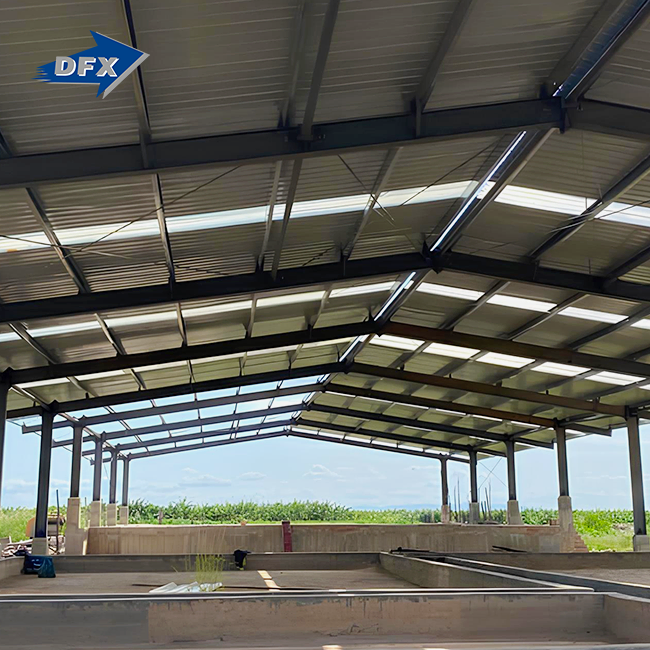
The clear-span interior, which is usually made possible by bolted steel connections between welded H-columns and roof beams, lets assembly lines be set up in straight lines that don't meet. This open floor plan works well for reflow ovens, pick-and-place tools, and conveyor systems. Along the roof, C/Z steel purlins hold electrical wiring and cable trays that hang from the ceiling. This keeps the floor space clean and organized.
Integrated Automation Support
In electronic assembly steel workshop factories, loads that are suspended from steel roof trusses and reinforced purlin systems are often more than 50 kg/m². These loads are mechanical, electrical, and plumbing (MEP). This includes fan filter units (FFUs), air handling units (AHUs), and HEPA tubing that is needed in places close to cleanrooms. These loads can be put on the building without any changes, which saves time and money during fit-out.
Compliance With International Safety Standards
Ultrasonic Testing (UT) and Magnetic Particle Inspection (MPI) are used to check the quality of the welds on the main structural connections, as required by AWS D1.1 standards. Laser transit technology is used to check the column's verticality and the placement of the bolt holes to within ±2 mm. In electronics factories, these standards are important because cleanroom wall panels and airtight window systems need frames that are the right size to shut properly.
Comparing Electronic Assembly Steel Workshops with Alternative Materials
Steel vs. Aluminum: Load Capacity and Long-Term Cost
Aluminum structures are cheaper up front, but they can't hold as much weight. Aluminum can't hold as much weight as steel when it comes to buildings that need to support overhead crane systems (5–10 tons for car electronics) or air handlers that are placed on the roof. A lifecycle cost analysis usually shows that steel workshops are more valuable after 10 years, even if the cost of fabrication is higher at the start.
Steel vs. Conventional Concrete Buildings
It takes longer to build with concrete, and it's harder to change once it's done. Director Steel's prefabricated steel workshop ships as made-to-order parts with a lead time of 25–44 days. A similar concrete structure, on the other hand, might need months just to cure. Steel also lets you add on to bays in the future without tearing down load-bearing walls, which is a big plus for makers who want to grow.
Environmental Sustainability of Steel
Steel is one of the most recovered products in the world. The World Steel Association says that more than 85% of steel in the world is recycled. For companies that want to be more environmentally friendly, using a steel workshop means that the building itself has a good end-of-life profile. Polyurethane or Rockwool sandwich panel covering (R-value above 30) also lowers the amount of energy needed by HVAC systems to keep the temperature at 22°C ±2°C, which is needed for electronics assembly.
These important benefits answer real worries about procurement. Steel is better for more than just its structural strength; it also has documented operational and environmental benefits that help businesses make long-term decisions.
How to Set Up an Electronic Assembly Steel Workshop for Optimal Manufacturing Support
Layout Optimization to Reduce Bottlenecks
Large-span steel frames make the inside of an electronic assembly steel workshop open, so production planners can set up assembly lines, inspection stations, and areas for arranging materials without worrying about how the building will hold up. A well-thought-out layout cuts down on the distance workers have to travel and boosts throughput. Director Steel has an in-house architectural design team that helps clients with this planning stage by making thorough installation plans before the building process starts.
Selecting the Right Steel Grade
Q235 steel is good for normal workshop uses with moderate load needs. Q355, which is the same as ASTM A572 Grade 50, is the best choice when the building needs to be more rigid, handle heavier roof loads, or be resistant to earthquakes. Picking the right grade during the planning phase keeps you from having to make expensive changes to the structure later on. Director Steel's technical team tells you what grade to use based on the conditions of your spot, the loads on your tools, and the building codes in your area.
Proactive Maintenance to Extend Workshop Life
A steel workshop that has been properly treated and welded can last for at least 50 years. As part of maintenance, roof sealants, gutter systems, and cladding joints must be checked once a year to make sure water doesn't get in. Every six months, you should check the stability of the ESD ground level point. Anti-corrosion coats should be checked for dry film thickness (DFT) loss, especially in places with a lot of damp where electronics are often put together. These simple upkeep steps keep the building safe and keep work from stopping.
Procurement and Supplier Guidance for Electronic Assembly Steel Workshops Evaluating Suppliers: Certifications and Track Record
When looking for an electrical assembly steel building, make sure the company that makes it has both ISO9001 quality management certification and CE structure certification. It is also important for U.S. projects and foreign EPC contracts to have paperwork that meets ASTM standards for materials. Director Steel was established in 2011 and has more than 200 employees working in 40,000 m² of production space. The company has all three certifications and has supplied steel structures in many countries.
Understanding the Procurement Model
Workshops for steel are custom-made items. Depending on the size and complexity of the project, the production and delivery cycle usually takes 25 to 44 days after the order is confirmed. This deadline should be added to project plans early on by procurement managers. As part of every order, Director Steel includes fabrication drawings, documentation for surface treatment, and packing details. This makes it easier for the buyer to coordinate.
After-Sales Support and Installation Guidance
A seller that only sends steel parts leaves the buyer to handle a complicated process on-site. As part of their normal service, Director Steel offers installation drawings and on-site guidance. This includes designing the structure, fabricating it, treating the surface, packing it, and helping with the assembly. This unified method lowers the chance of mistakes during assembly and keeps the project on track.
In cross-border steel building procurement, the best way to lower project risk is to choose a provider that can do everything.
Conclusion
A well-designed electronic assembly steel workshop directly improves the quality of the products made, the speed of operations, and the long-term performance of the building. The grounded frame helps control ESD, the clear-span steel structure lets you change the plan, and the certified production process gives buying teams the paperwork they need. It doesn't matter if you are building a new SMT factory or adding on to an old industrial plant; the structural choice you make at the beginning affects all the operating choices that follow. Steel is still the most reliable material for building infrastructure for electronics manufacturing, as long as it is defined properly and made to standards.
FAQ
1. What steel grade should I specify for an electronics manufacturing workshop?
The usual choice for buildings with heavy roof loads, overhead cranes, or earthquake design needs is Q355, which is the same as ASTM A572 Grade 50. Q235 can be used for lighter-duty tasks. It varies on how much the equipment weighs, how long the span is, and the building rules in the area.
2. How does the steel structure support ESD control?
Column base plates have grounding terminals welded to them that connect to a buried earth grid with a resistance of less than 4 ohms. This works with conductive epoxy floors to get rid of static electricity and keep sensitive electrical parts safe.
3. Can the workshop structure support a cleanroom environment?
Yes. Roof beams that have been reinforced hold FFUs, AHUs, and HEPA pipes. The sealed wall cladding system stops dust from getting in from the outside, and the rigid steel envelope can handle the positive pressure needed for ISO Class 7 or 8 environments.
4. How long does fabrication and delivery take?
Depending on the size of the project, made-to-order production usually takes 25 to 44 days after the order is confirmed. With every shipment, Director Steel includes installation drawings and paperwork about the surface treatment.
Get a Quote for Your Electronic Assembly Steel Workshop From Director Steel
Since 2011, Director Steel has been building certified steel structures. The company has six automatic H-beam production lines and a production area of 40,000 m². As a reliable electronic assembly steel workshop maker, we take care of the whole project, including designing the structure, making it, finishing the exterior, and helping with the installation. Our services are compliant with ISO9001, CE, and ASTM standards. Get in touch with our team at jason@bigdirector.com to talk about your project needs and get a full quote.
References
1. World Steel Association. Steel's Contribution to a Low Carbon Future and Climate Resilient Societies. World Steel Association, 2022.
2. American Welding Society. AWS D1.1/D1.1M: Structural Welding Code — Steel. AWS, 2020.
3. American Institute of Steel Construction. Steel Construction Manual, 16th Edition. AISC, 2022.
4. International Organization for Standardization. ISO 14644-1: Cleanrooms and Associated Controlled Environments — Part 1: Classification of Air Cleanliness by Particle Concentration. ISO, 2015.
5. ASTM International. ASTM A572/A572M: Standard Specification for High-Strength Low-Alloy Columbium-Vanadium Structural Steel. ASTM, 2021.
6. National Institute of Building Sciences. Whole Building Design Guide: Industrial Facilities. NIBS, 2020.
Learn about our latest products and discounts through SMS or email