- English
- French
- German
- Portuguese
- Spanish
- Russian
- Japanese
- Korean
- Arabic
- Greek
- German
- Turkish
- Italian
- Danish
- Romanian
- Indonesian
- Czech
- Afrikaans
- Swedish
- Polish
- Basque
- Catalan
- Esperanto
- Hindi
- Lao
- Albanian
- Amharic
- Armenian
- Azerbaijani
- Belarusian
- Bengali
- Bosnian
- Bulgarian
- Cebuano
- Chichewa
- Corsican
- Croatian
- Dutch
- Estonian
- Filipino
- Finnish
- Frisian
- Galician
- Georgian
- Gujarati
- Haitian
- Hausa
- Hawaiian
- Hebrew
- Hmong
- Hungarian
- Icelandic
- Igbo
- Javanese
- Kannada
- Kazakh
- Khmer
- Kurdish
- Kyrgyz
- Latin
- Latvian
- Lithuanian
- Luxembou..
- Macedonian
- Malagasy
- Malay
- Malayalam
- Maltese
- Maori
- Marathi
- Mongolian
- Burmese
- Nepali
- Norwegian
- Pashto
- Persian
- Punjabi
- Serbian
- Sesotho
- Sinhala
- Slovak
- Slovenian
- Somali
- Samoan
- Scots Gaelic
- Shona
- Sindhi
- Sundanese
- Swahili
- Tajik
- Tamil
- Telugu
- Thai
- Ukrainian
- Urdu
- Uzbek
- Vietnamese
- Welsh
- Xhosa
- Yiddish
- Yoruba
- Zulu
Industrial Fuel Storage Shed: How to Choose the Right Size for Sites
Choosing the right industrial fuel storage shed size is one of the most consequential decisions a procurement manager or project engineer will make on any industrial site. Get it wrong, and you face regulatory penalties, operational bottlenecks, or a structure that cannot grow with your business. This guide walks through the core sizing factors—fuel volume, site constraints, material choices, and compliance requirements—so you can match the right shed footprint to your actual operational needs, whether you run a construction yard, a manufacturing plant, or a large-scale farm.

Why Size Matters in Fuel Storage Shed Selection
Sizes are never chosen at random. The right measurements take into account what you store now, what the law allows, and what the site physically allows.
Fuel Type and Consumption Rate
There are different ways to store different types of fuel. Diesel has a higher flashpoint and can be stored in larger amounts in normal conditions. Gasoline and aviation fuel, on the other hand, need more space between vents and smaller spaces for each compartment. The minimum usable capacity you need to avoid dangerous stockpile situations is directly related to your average daily usage rate.
Site Footprint and Zoning Restrictions
Minimum distances from occupied buildings, property lines, and drainage waterways are set by local zoning codes and fire codes, such as NFPA 30, which regulates the keeping of flammable and combustible liquids. Before a single column is put down, these lengths pretty much limit the area that can be used. Making maps of these no-go areas ahead of time saves money on redesigns later on.
Future Demand and Scalability
Websites don't stay the same for long. A factory that uses 2,000 gallons of fuel a week could have twice as many trucks in three years. It is much cheaper to build in a flexible bay extension feature from the beginning than to take it apart and put it back together again. As a general rule, when preparing an industrial fuel storage shed, you should include a 20–30% capacity gap.
Key Factors That Influence Shed Size Specifications
If you want to build a shed, the size you need will depend on the materials you use and how the structure is designed. Knowing how these interactions work will help you avoid making too little or too much.
Steel vs. Concrete Construction
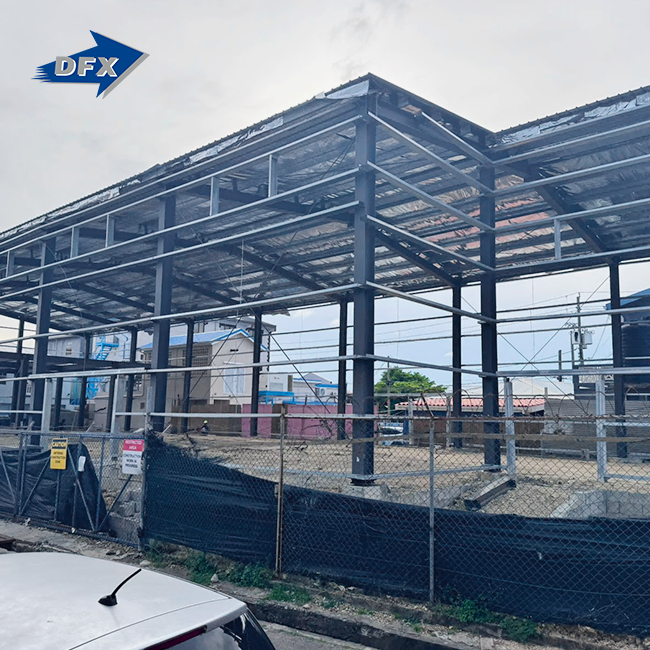
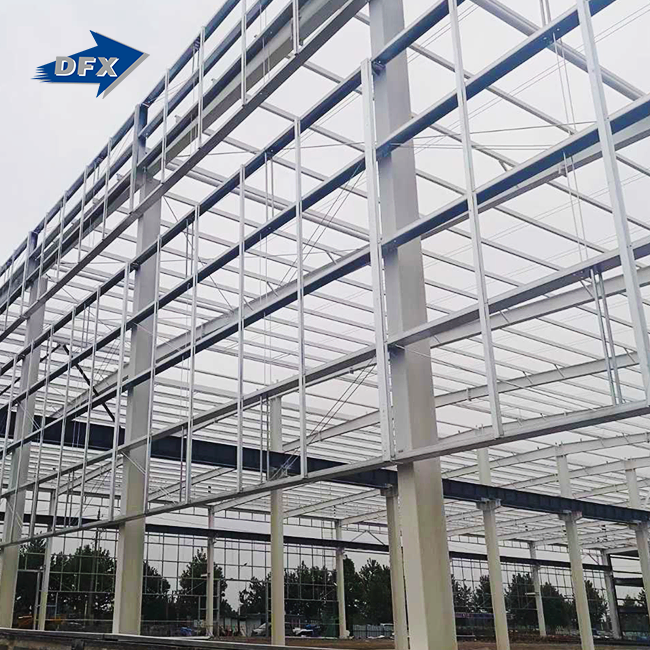
Galvanized steel frames with welded H-section beams and C/Z purlins allow for wider clear spans and thinner wall assemblies. This means that there is more useful space inside per square foot of area. For the same level of fire protection, a concrete building needs thicker walls, which means less net internal room. For most industrial fuel storage needs, prefabricated steel sheds offer a better value for money.
Fire Safety and Ventilation Clearances
NFPA 30 and OSHA 1910.106 say that Class I flammable liquid storage areas must have an airflow of at least 1 cubic foot per minute per square foot of floor area. This rule changes the minimum shed width and adds air room around stored tanks. Passive gravity-flow vents are often a cheaper way to meet code for Class II flammable liquids like diesel, but where the vents are placed still affects the layout inside.
Secondary Containment and Sump Dimensions
EPA 40 CFR 264.175 says that additional containment must hold at least 110% of the biggest loaded vessel. So, the sump or bunded floor panel gives the base design more floor space and structural depth. A shed with a 5,000-gallon tank needs a containment sump that can hold at least 5,500 gallons. This number directly affects the width and length of the shed inside.
Matching Site Needs to the Right Shed Footprint
Since no two sites have the same restrictions, meeting demand is a better method than picking a list size at random. This is how different practical scales usually lead to choices about size.
Small Sites and Single-Machine Operations
Most of the time, a construction company with two or three pieces of heavy equipment working in a remote area needs a 200–400 square foot industrial fuel storage shed with one bay. This much weight can be handled well by a steel shed with a closed wall, a roll-up door, a passive air panel, and a single-compartment sink. The small footprint also meets most standards for setback from temporary site buildings.
Mid-Scale Manufacturing and Distribution
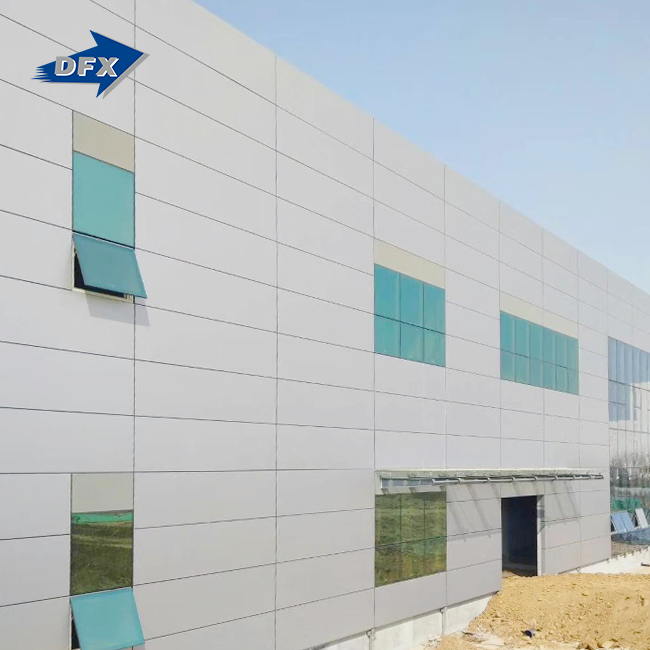
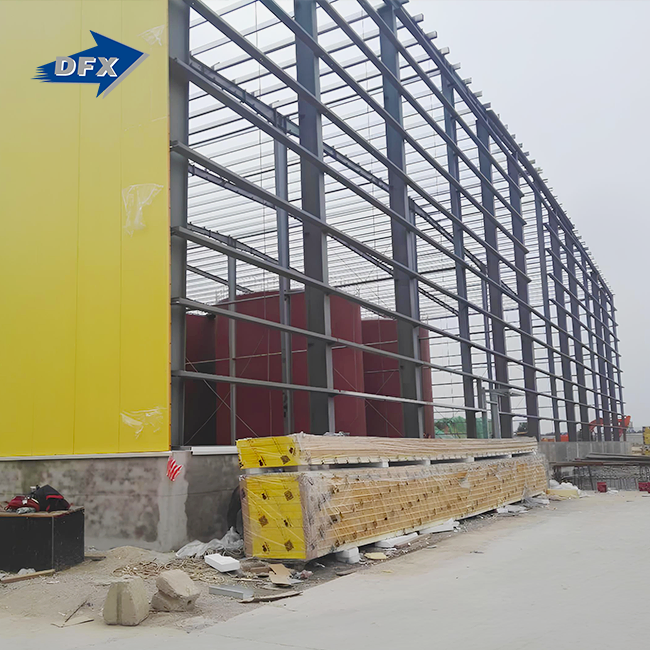
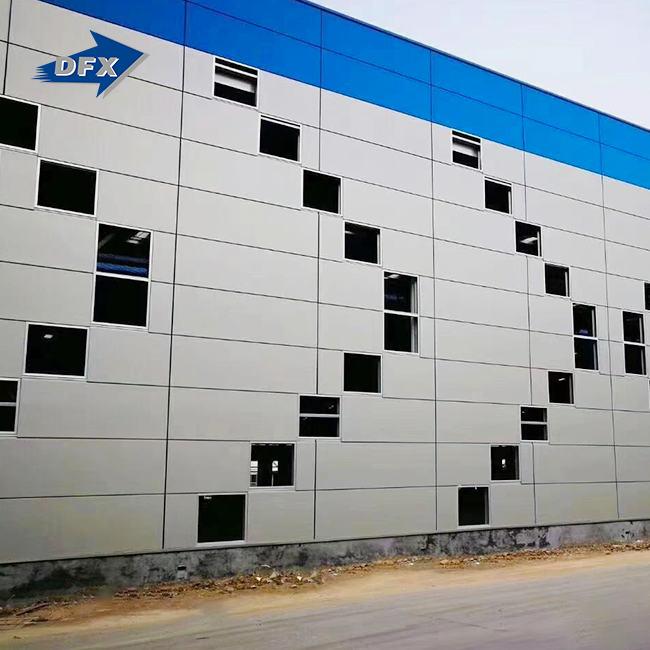
A medium-sized plant that needs to run a fleet of forklifts and backup engines usually keeps between 3,000 and 10,000 gallons of fuel on-site. In this case, a multi-bay steel building with open sides on the approach path and cladded walls on three sides makes it easy to get to and keeps out the weather. H-beam portal frame designs have modular bay additions that let the facility manager add space without changing the structure.
Large Agricultural and Infrastructure Operations
Large farms that grow crops, like row-crop farms with 20 or more diesel machines, often store between 15,000 and 30,000 gallons of water in more than one tank. The shed needs clear-span bays that are wide (usually 60 to 80 feet) so that tanker trucks can carry goods and tools can be used inside the shed. Government infrastructure contractors and airport ground-support operations use the same reasoning, but they also need blast-relief panels or blow-out walls to meet the needs of the Authority Having Jurisdiction (AHJ).
Comparing Fuel Storage Shed Types: Size, Cost, and Trade-Offs
Knowing the difference between steel sheds that are prefabricated and those that are built on-site helps buying teams make good use of their funds.
Before you choose a style, here are the main points of comparison that you should think about:
- Prefabricated steel shed: Standard bays are 20 to 100 feet wide, and the production cycle is fast. The price includes plan drawings, manufacturing, packing, and installation instructions. It is approved by CE, ISO 9001, COC, and PVOC. Ships from China and has short lead times. Best for projects that need to be done quickly and cheaply.
- Site-built concrete structure: Fully customized sizes, higher costs for materials and work, and a longer time to build. Better for long-term installations that need 4-hour fire-rated assemblies in crowded cities.
- Open-sided canopy shed: It's cheaper and works fine in stable temperatures, but it doesn't protect against spills and doesn't meet NFPA 30 for Class I liquids. Only good for storing diesel in dry areas where splash guards are bought separately.
Each choice has different effects on the total cost of the project, the time it takes to get permits, and the upkeep that needs to be done over time. A recognized manufacturer's prefabricated steel shed is usually the fastest way to go from placing an order to being ready to use, which is very important for building or farming jobs that need to be done quickly.
Real-World Sizing Examples
Giving real-life cases helps show how the above rules work in the real world.
Manufacturing Plant Case
A medium-sized company in the Philippines that was building a new factory needed to store diesel for backup generators on-site. The engineering team figured that 800 gallons of water would be used at its peak during production cycles. They chose an industrial fuel storage shed that was a closed steel structure, 40 feet by 60 feet, with a 1,000-gallon sump, two passive roof vents, and one roll-up door. The prefabricated H-beam construction came with full installation instructions and was put up in four days, on time for the project's launch date.
Agricultural Operation Case
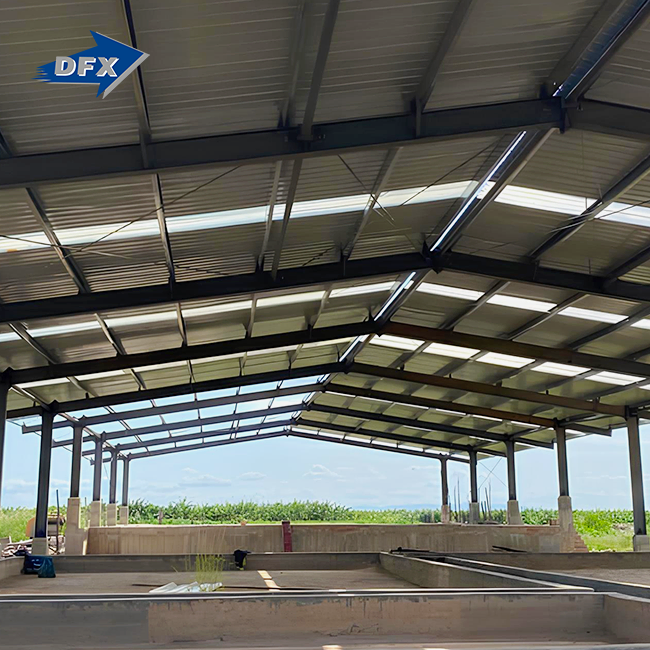
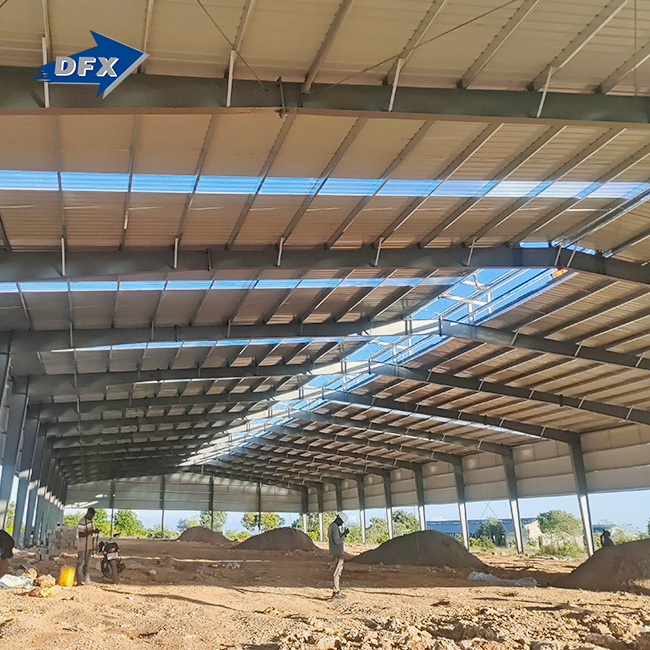
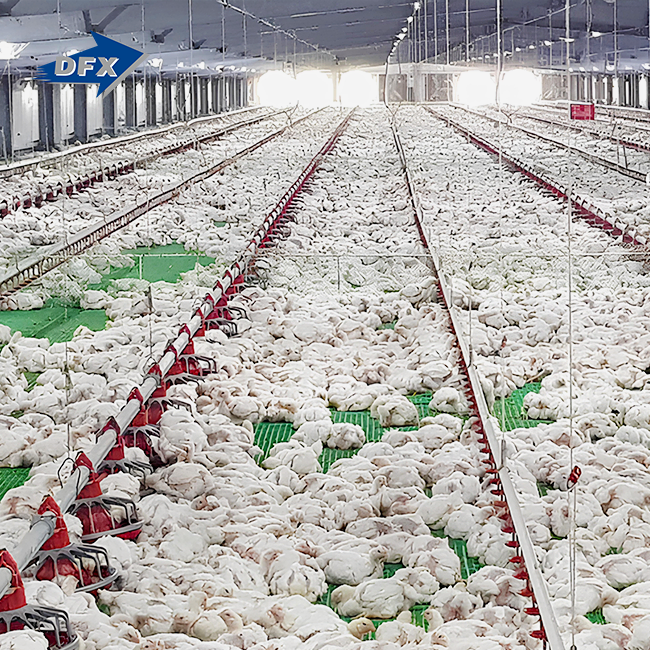
A big chicken farm in Australia that had to deal with 12 diesel-powered ventilation and feeding systems needed to store a lot of fuel in a way that followed watershed protection rules. The farm chose an 80-foot-by-40-foot steel roof shed with open sides and a sealed, bunded floor. The open sides let tankers come in from both sides, and the raised sump kept water from running into an irrigation ditch nearby. The structure was made with H-section beam frames and C/Z steel purlins, which kept the weight of the building down on the soft farmland.
Conclusion
To choose the right industrial fuel storage shed size, you need to be honest about the site's fuel amount, daily usage, setback lengths, and containment needs. For most industrial uses, steel framing with H-section beams and galvanized purlins always gives the best mix of cost, clear-span width, and structural stability. This guide's size guidelines are a good place to start whether you're in charge of a building yard, a factory, or a big farm. If you're not sure how much space you'll need, add an extra 20 to 30 percent and pick a modular design that lets you add more bays in the future without changing the structure.
FAQ
Q1: What is the minimum secondary containment volume required?
The minimum requirement set by EPA 40 CFR 264.175 is that secondary containment must be able to hold 110% of the biggest single vessel amount. This is the standard that most certified sheds are built to. Before you buy, check with your provider to make sure the sump grade is correct.
Q2: Does my shed need mechanical ventilation?
It hinges on the type of fuel. Flow rates of 1 CFM per square foot of floor space are needed for Class IA flammable liquids. Diesel (Class II combustible) usually meets code with passive vents, which lowers the cost of installation.
Q3: Can a prefabricated steel shed be relocated?
Yes. Good steel sheds have lifting lugs for cranes and forklift pockets to make them easy to move. Before lifting, the building must be cleared of all dangerous materials to protect structural integrity and meet safety standards.
Q4: What fire rating do I need based on proximity to buildings?
Sheds that are less than 10 feet from a building that is being used usually need a 4-hour fire-rated setup. Most sheds between 10 and 50 feet long need a 2-hour rating. Always check with your local AHJ because city and town codes are different.
Get the Right Fuel Storage Shed From DFX
The professional industrial fuel storage shed maker DFX (Qingdao Director Steel Structure Co., Ltd.) was established in 2011 and is CE and ISO 9001-certified. They make steel sheds with H-section frames, C/Z galvanized purlins, and either closed or open-sided covering. We can serve quickly because our production space is 40,000 m² and our production cycle is short. Get in touch with our team right away at jason@bigdirector.com for a free size consultation and quote.
References
1. National Fire Protection Association. NFPA 30: Flammable and Combustible Liquids Code. 2021.
2. U.S. Environmental Protection Agency. Secondary Containment Requirements for Hazardous Waste Storage (40 CFR 264.175). 2020.
3. Occupational Safety and Health Administration. OSHA Standard 1910.106: Flammable Liquids. 2019.
4. FM Global. Property Loss Prevention Data Sheet 7-29: Flammable Liquid Storage. 2022.
5. Steel Construction Institute. Design of Steel Structures for Agricultural and Industrial Applications. 2020.
6. American Iron and Steel Institute. Steel Framing in Industrial Facilities: Design and Cost Guide. 2021.
Learn about our latest products and discounts through SMS or email