- English
- French
- German
- Portuguese
- Spanish
- Russian
- Japanese
- Korean
- Arabic
- Greek
- German
- Turkish
- Italian
- Danish
- Romanian
- Indonesian
- Czech
- Afrikaans
- Swedish
- Polish
- Basque
- Catalan
- Esperanto
- Hindi
- Lao
- Albanian
- Amharic
- Armenian
- Azerbaijani
- Belarusian
- Bengali
- Bosnian
- Bulgarian
- Cebuano
- Chichewa
- Corsican
- Croatian
- Dutch
- Estonian
- Filipino
- Finnish
- Frisian
- Galician
- Georgian
- Gujarati
- Haitian
- Hausa
- Hawaiian
- Hebrew
- Hmong
- Hungarian
- Icelandic
- Igbo
- Javanese
- Kannada
- Kazakh
- Khmer
- Kurdish
- Kyrgyz
- Latin
- Latvian
- Lithuanian
- Luxembou..
- Macedonian
- Malagasy
- Malay
- Malayalam
- Maltese
- Maori
- Marathi
- Mongolian
- Burmese
- Nepali
- Norwegian
- Pashto
- Persian
- Punjabi
- Serbian
- Sesotho
- Sinhala
- Slovak
- Slovenian
- Somali
- Samoan
- Scots Gaelic
- Shona
- Sindhi
- Sundanese
- Swahili
- Tajik
- Tamil
- Telugu
- Thai
- Ukrainian
- Urdu
- Uzbek
- Vietnamese
- Welsh
- Xhosa
- Yiddish
- Yoruba
- Zulu
Agricultural Machinery Shed Guide: Essential Modern Farming Infrastructure
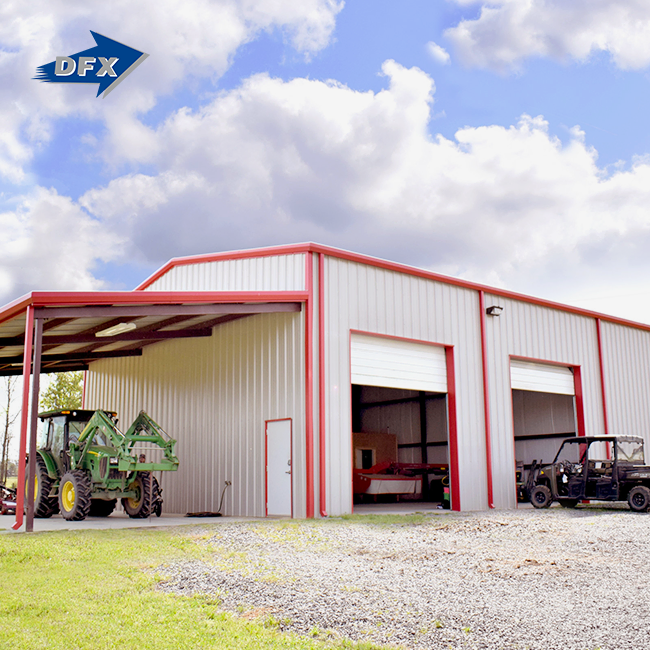
The Agricultural Machinery Shed is always the first thing that comes to mind when I think about what makes a modern farm really work well. This building was made to keep expensive tools like combine harvesters, tractors, seeders, and plowing implements safe from damage caused by weather and normal use. Unlike regular barns, these designed buildings have wide clear-span designs that let big machines move around safely without any columns getting in the way. A well-designed Agricultural Machinery Shed keeps UV rays, water, and rodents from damaging equipment. This lowers maintenance costs, increases asset lifespan, and provides a controlled space for pre-season service.

Understanding Agricultural Machinery Sheds: Basics and Benefits
What Makes These Structures Essential for Modern Operations
Over the years, I've seen farming go from being a yearly activity to an efficient business that runs all year. Modern tools like GPS-guided tractors, air seeders with 60-foot booms, and high-tech harvest combines require a lot of money to buy and maintain. An Agricultural Machinery Shed is a smart way to protect your assets and solves a problem that many farm managers and procurement directors know all too well: the damage that weather can do to equipment quickly. Agricultural engineering studies show that storing hydraulic hoses outside speeds up their breakdown by about 40% compared to storing them inside. Paint oxidation, frame rust, and broken electrical parts caused by water damage add thousands of dollars to the cost of repairs every year. If you build your shed correctly, these worries go away, and you'll have a safe place to do regular repair chores.
Core Functional Advantages That Impact Your Bottom Line
The benefits go beyond just keeping out the weather. The wiring on equipment kept inside is less likely to be damaged by rodents, which is a common problem that can stop machines during important growing or harvesting times. Security also gets a lot better, and parts and tools are less likely to be stolen with fully or partially sealed designs. Having organized storage with the right lights changes how efficiently things are run before the season starts. No matter what the weather is like, mechanics can work easily. This cuts down on downtime and makes sure that gear leaves the building in perfect working order. The wide bay areas that these buildings usually have make it less likely that someone will hit something when they are entering or leaving. This is especially important during busy harvest times when many people may be accessing equipment at the same time.
Materials and Design Choices: Making Informed Comparisons
Steel Framework: The Industry Standard for Heavy Equipment Storage
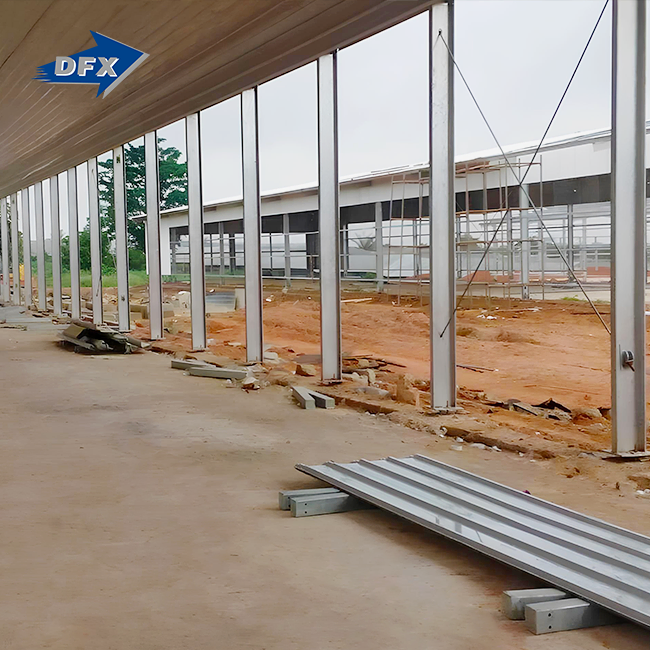
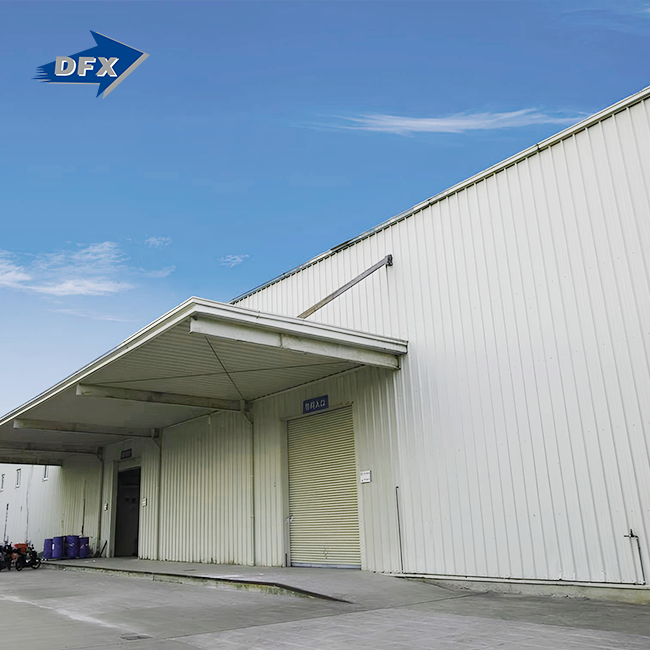
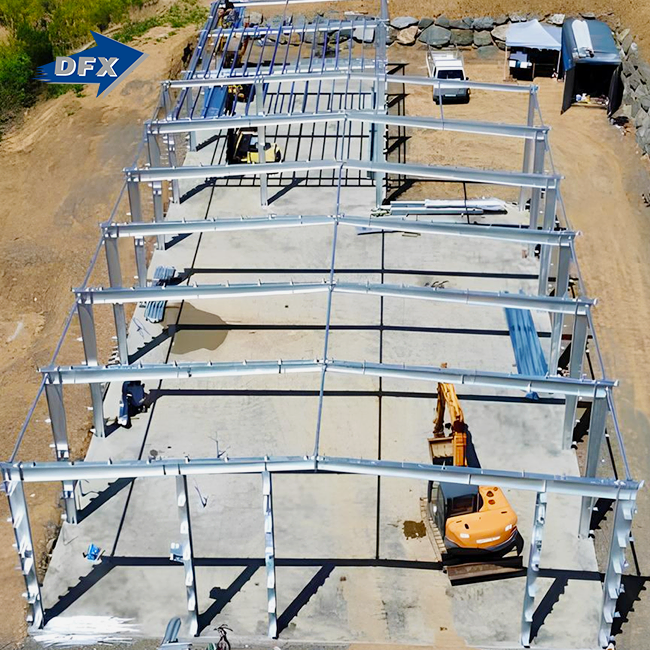
It is always clear that steel is the best material for storing farm tools when other options are considered. The structure is usually made of high-tensile H-beam columns and rafters, which are designed to hold up heavy snow loads on the roof and fight the side winds that are common in open country areas. When we make things at DFX, we use hot-dip galvanized H-section beams that meet ISO 1461 standards for corrosion resistance. These beams are important for keeping farm settings free of fertilizer leftovers and manure gases. The roof and wall systems have C/Z zinc purlins that can be used to connect metal siding or leave the sides open for better air flow. This modular method gives you options: fully enclosed configurations keep sensitive gadgets safe and secure, while open-sided designs let air move and keep condensation from building up. A hybrid setup, which has enclosed bays for valuable equipment and Farm equipment storage, open areas for tools, can meet a variety of storage needs in a single building. In farming settings, how long something lasts is very important. With the right galvanization or AZ150 aluminum-zinc coating, steel buildings can last for more than 30 years with little to no upkeep. Prefabricated steel parts also make building go faster, which saves money on labor costs and lets structures start working before growing or harvest seasons.
Design Features That Enhance Usability and Compliance
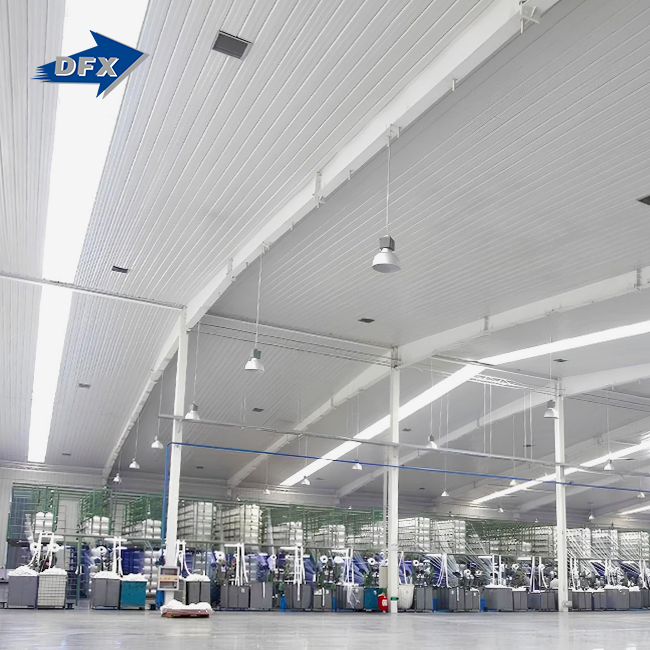
Clear-span widths of 12 meters to 60 meters get rid of poles inside that get in the way of moving. Modern high-clearance sprayers and combines with grain heads connected can fit in eaves that are 5 to 7 meters high. These size considerations are based on actual pieces of tools, not on theoretical ones. What the foundation needs to be built on depends on the land and the building rules in your area. Even though they cost a lot up front, concrete slab floors are very durable and make cleaning easier, especially when heavy equipment is used on them. A cheaper option is to use pier footings to support columns and crushed gravel floors. This works especially well when paired with a concrete pad at entrances to keep the ground from sinking into the gravel and ruts. When planning, you should pay close attention to how the doors are set up. Sliding doors on each bay allow limited entry while keeping the temperature and humidity stable in areas next to each other. Roll-up doors make openings wider, but their motorized parts need to be serviced regularly. Drive-throughs with openings on both sides make it easy for traffic to flow, which is especially helpful for contractor businesses that have to move a lot of tools every day.
Building and Maintaining Your Agricultural Machinery Shed
Planning and Construction Considerations
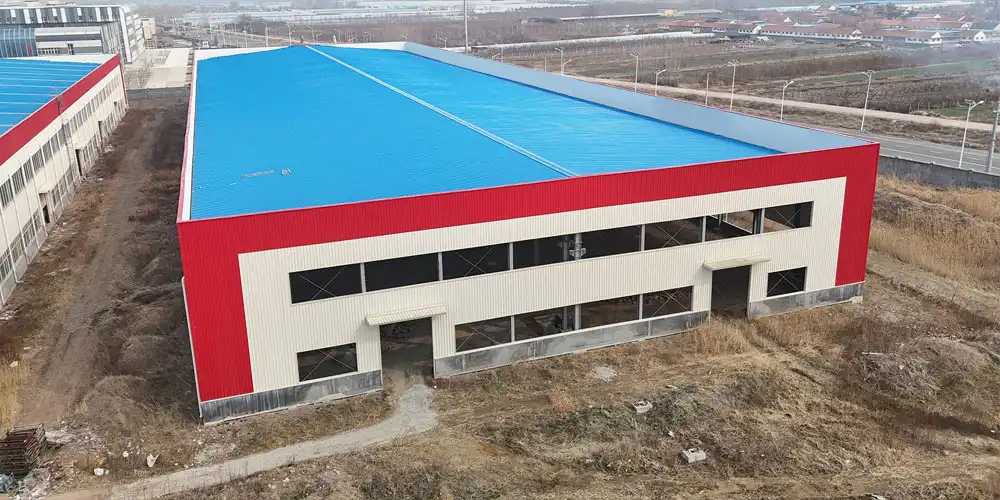
A careful site inspection and following the rules are the first steps to a successful project execution. Local zoning laws may require buildings to be set back from property lines or put height limits on buildings. For most building permits, you need engineered plans that show you meet wind load standards that are right for the land. This is especially important for structures in open fields where wind speeds are 15-20% higher than in protected areas. Our 40,000-square-meter factory in China is where we make our steel buildings. It has six automatic welded H-beam production lines that make about 20,000 tons of steel every year. To make sure the rust guarantee is followed, each part goes through strict quality checks, such as testing the weld's integrity and checking the thickness of the galvanization. Our ISO 9002 and CE certifications give buying managers the proof they need to get project permission and funding. Putting together a premade steel shed usually takes only 4 to 8 weeks, from preparing the base to the final assembly. This is a lot faster than traditional building methods. Local builders can quickly build structures with the help of our detailed installation plans, or we can arrange a full turnkey installation based on the needs of the project and the area. Because of this, it's possible to meet different buying tastes and price limits.
Maintenance Protocols That Extend Structure Lifespan
Regular inspections keep small problems from getting worse and needing expensive fixes. Checklists for each season should include checking that roof penetrations are properly sealed, door hardware is working smoothly, and draining systems are free of waste. Agricultural poisons that are bad for metal should be washed every so often to get rid of them. After bad weather, structure links should be checked for loose fasteners. Measures to prevent mist should be given extra attention in sealed designs. Putting foil-backed warming blankets or anti-drip fleece under roof sheets soaks up water during times of high humidity and lets it out through ventilation when the temperature rises. This easy addition keeps stored machinery safe from water damage to electrical parts that are easily damaged and stops rust from forming on metal areas that are not covered. Fire safety rules should cover possible sources of ignition, Farm equipment storage, electricity systems, stored fuel, and food residue that has built up. Keeping clear areas around buildings, putting in the right fire extinguishers, and making sure that equipment block heaters have enough electricity all greatly lower risk. Emergency access paths should not be blocked so that goods can be moved out easily if necessary.
Procurement Strategies: Purchasing and Supplier Selection
Evaluating Suppliers and Service Capabilities
If you want to choose the right Agricultural Machinery Shed maker, you need to look at more than just the price. At DFX, we have more than 12 years of experience making structural steel for business buildings, airplane hangars, and farming facilities. This gives us the technical know-how to solve even the most difficult engineering problems. Our more than 200 trained workers using high-tech production tools make sure that the quality of all of our projects is the same. Warranty service should be carefully looked at when a supplier is being judged. Reputable makers offer structural warranties that last between 10 and 20 years, as well as coating warranties that keep the product from rusting too quickly. When changes or additions need to be made years after the initial building, after-sales support, such as access to replacement parts and expert help, becomes useful. When choosing between local and foreign providers, you have to weigh the benefits of lower costs against the challenges of logistics. Our short production processes and complete export paperwork, which includes COC and PVOC certificates for different markets, make it easier to buy things from other countries. It is now common for premade parts to be shipped to U.S. ports in containers and then delivered to project sites by domestic trucks. This saves money by more than 20 to 30 percent compared to domestic manufacturing.
Cost Structures and Financing Approaches
When making a budget, you should think about the whole project, like the base work, structural parts, covering systems, doors, electrical installation, and getting the site ready. Steel structures usually cost between $15 and $35 per square foot, but this depends on how complicated the design is, how wide the spans are, and what kind of finish is chosen. Volume savings are available for bigger sites or projects with more than one building. This makes it economically smart for farm businesses to plan their purchases. Options for financing depend on the size and reputation of the business. Costs can be spread out over 5–10 years with equipment loans that include infrastructure changes, and depreciation benefits can be seen right away. Some farm lenders offer specialized facility financing with payment plans that are timed to match the seasons and the times when crops bring in the most money. Leasing agreements aren't as common for fixed buildings, but they can be used by contractors who need to temporarily increase their capacity. The choice between prefabricated and custom-built depends on how unique the job is. Standard setups that use our current design files cut down on engineering costs and speed up delivery times. Custom engineering makes facilities that need specific features, like office areas that are built in, workshop areas with strengthened floors, or chemical storage areas with better rust protection, work better for the way they're used.
Leading Manufacturers and Future Industry Developments
Supplier Landscape and Quality Standards
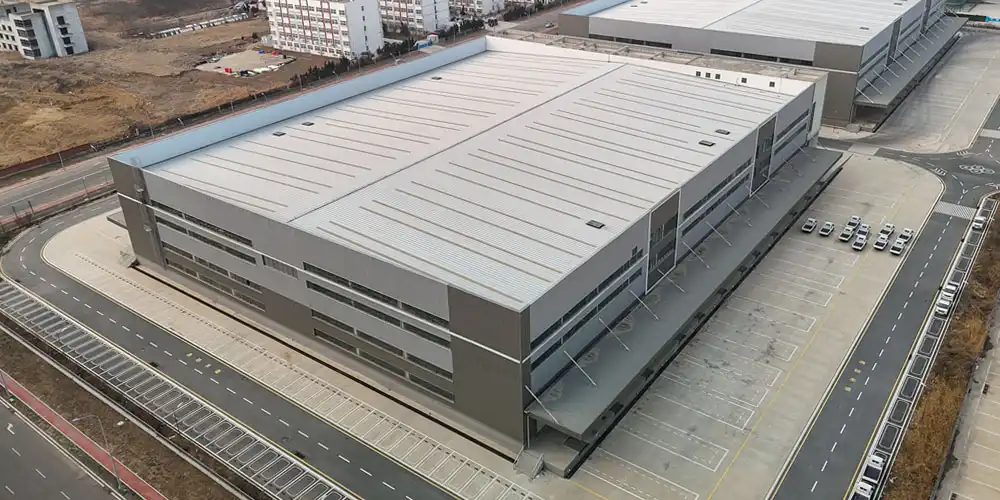
There are a lot of makers in the farm building sector, but it's important to tell the difference between suppliers that focus on commodities and those that focus on engineering. Director Steel, which does business in foreign markets as DFX, has built its reputation through ISO quality management systems and European CE certification. These standards make sure that structural formulas meet strict safety factors and material specs are in line with global standards. We are different from basic manufacturers because we offer a complete service model. Our in-house building, Tractor shed design, and finishing services help customers from the first idea to the final installation. This "turnkey" method gets rid of the problems that come with managing multiple vendors and makes sure that the design purpose is carried out correctly in the final building. The fact that our customer base grows every year shows that they are happy with both the quality of our products and the dependability of our project performance. Case studies from our project portfolio show that we can work with a wide range of applications. For a U.S. construction company, we built a 5,000-square-meter equipment store with drive-through bays, separate workshop space, and mezzanines for storing parts. The whole thing was designed to be as operationally efficient as possible. Another Midwest farm client chose our open-front design with sliding door parts, which met their needs for both ventilation and security for certain types of equipment.
Emerging Trends Shaping Agricultural Infrastructure
The industry is still changing to make it more useful and long-lasting. Advanced coating systems go beyond standard galvanization to protect against rust. These include multi-layer paint systems and aluminum-zinc alloy treatments that work really well in harsh farming settings. These new materials have lower lifetime upkeep costs and can be used for more than 40 years. Using smart technology together is a new territory. Temperature and humidity monitors in automated ventilation systems keep storage conditions at their best without any help from a person. LED lights with motion sensors save energy and make it easier to see for repair work. Some owners now use security systems that can be monitored from afar, which helps reduce the risk of theft, especially for expensive precision farm equipment. As farm businesses try to lower their carbon impact, sustainability practices affect the things they buy. Steel buildings are naturally recyclable; when they're done, their parts still have value as trash and can be used for something else instead of being thrown away. Putting solar panels on big roofs creates clean energy that balances out the building's electricity use, making the lights and ventilation systems' net-zero operating costs.
Conclusion
Protecting farm equipment with storage facilities that were specifically built for that reason is a good example of asset management that has a direct effect on daily profitability. The success of a project depends on choosing the right materials, designing with real-world workflow patterns in mind, and working with experienced makers who can provide full solutions, from planning to installation. Steel buildings that are made to strict quality standards give modern farming operations the longevity, flexibility, and cost-effectiveness they need. As precision farming keeps improving the complexity of its tools and the amount of capital it needs, it becomes necessary to invest in proper storage and repair facilities to protect these valuable assets and get the most out of your investment.
FAQ
1. What span width works best for modern farming equipment?
Most modern equipment can fit on clear spans of 20 to 30 meters, such as combines with heads connected, wide air seeders, and high-clearance sprayers. Contractors who are in charge of a variety of tools often specify 30–40 meter lengths so that there are no problems with turning. For certain uses, custom engineering can make lengths longer than 60 meters, but this raises the cost of the structure by the same amount.
2. How do you prevent moisture damage in enclosed sheds?
Roof sheeting with anti-condensation techniques soaks up water when the temperature changes, so it doesn't drip onto kept equipment. Having enough airflow through ridge vents, louvers, or open-sided areas lets air flow, which evens out the humidity levels. When concrete floors are properly drained, they get rid of ground moisture problems that cause rusting.
3. Can these structures be expanded later?
Modular steel design makes it easy to add on by adding more bay pieces to the building to make it longer. Retrofitting costs are kept to a minimum by designing new buildings with future growth in mind, including base plans and details for connecting buildings that work with each other. Because they can be expanded, steel sheds are great for businesses that are growing but aren't sure what their long-term capacity needs will be.
4. What certifications should I expect from suppliers?
Manufacturers who care about quality offer both ISO 9001 certification, which shows that they handle quality in an organized way, and structural engineering stamps, which show that they follow all building codes. International sellers should offer CE marks to show that their goods meet European standards, as well as export paperwork like Certificates of Conformity to help with customs processing.
Partner With DFX for Your Agricultural Storage Solutions
Director Steel, which does business around the world as DFX, has more than 12 years of experience making steel buildings that are specifically designed to store farm equipment. Our solutions for Agricultural Machinery Shed buildings combine engineering accuracy with useful usefulness. They range from standard designs that can be built right away to fully customized buildings that meet specific working needs. We can make more than 20,000 tons of welded H-beams, 8,000 tons of C/Z section steel, and complete cladding systems every year. This means that we always have enough material to support short lead times, even for big projects. We are a seller of Agricultural Machinery Sheds that is dedicated to meeting international quality standards. As part of our full project support, we offer structural design, manufacturing with ISO 9002 and CE certification, thorough installation plans, and technical help throughout the building process. Whether you're a farm manager looking to protect your expensive equipment, a contractor needing safe storage for your fleet, or a procurement professional looking at possible infrastructure investments, our team can help you find solutions that balance short-term cost concerns with long-term practical value. Jason, our expert on farm buildings, can be reached at jason@bigdirector.com to talk about your unique needs. We'll give you thorough quotes, planning suggestions, and project schedules that work with your business's schedule.
References
1. Henderson, J.M. & Clarke, R.P. (2019). Steel Structures in Agricultural Applications: Engineering Principles and Design Standards. Agricultural Engineering Press.
2. Morrison, T.L. (2021). Asset Protection Strategies for Modern Farming Operations. Journal of Agricultural Infrastructure Management, Vol. 34, pp. 112-145.
3. Reynolds, K.S. & Zhang, W. (2020). Corrosion Resistance in Rural Structures: Comparative Analysis of Protective Coatings. Materials Science in Agriculture Quarterly.
4. Thompson, D.R. (2022). Economic Analysis of Agricultural Building Investments: Lifecycle Cost Considerations. Farm Business Management Review, pp. 78-96.
5. Williams, P.H. & Jacobsen, M.A. (2018). Modern Equipment Storage: Design Guidelines for Large-Scale Farming Operations. International Agricultural Engineering Society.
6. Baker, S.L. (2023). Prefabricated Steel Construction in Agricultural Settings: Quality Standards and Procurement Best Practices. Agricultural Procurement Professional's Handbook.
Learn about our latest products and discounts through SMS or email