- English
- French
- German
- Portuguese
- Spanish
- Russian
- Japanese
- Korean
- Arabic
- Greek
- German
- Turkish
- Italian
- Danish
- Romanian
- Indonesian
- Czech
- Afrikaans
- Swedish
- Polish
- Basque
- Catalan
- Esperanto
- Hindi
- Lao
- Albanian
- Amharic
- Armenian
- Azerbaijani
- Belarusian
- Bengali
- Bosnian
- Bulgarian
- Cebuano
- Chichewa
- Corsican
- Croatian
- Dutch
- Estonian
- Filipino
- Finnish
- Frisian
- Galician
- Georgian
- Gujarati
- Haitian
- Hausa
- Hawaiian
- Hebrew
- Hmong
- Hungarian
- Icelandic
- Igbo
- Javanese
- Kannada
- Kazakh
- Khmer
- Kurdish
- Kyrgyz
- Latin
- Latvian
- Lithuanian
- Luxembou..
- Macedonian
- Malagasy
- Malay
- Malayalam
- Maltese
- Maori
- Marathi
- Mongolian
- Burmese
- Nepali
- Norwegian
- Pashto
- Persian
- Punjabi
- Serbian
- Sesotho
- Sinhala
- Slovak
- Slovenian
- Somali
- Samoan
- Scots Gaelic
- Shona
- Sindhi
- Sundanese
- Swahili
- Tajik
- Tamil
- Telugu
- Thai
- Ukrainian
- Urdu
- Uzbek
- Vietnamese
- Welsh
- Xhosa
- Yiddish
- Yoruba
- Zulu
What Makes a Durable Steel Structure Teaching Building Last?
A durable steel structure school building lasts because it has high-grade steel materials (Q235/Q355), protective systems that don't rust, load-bearing frames that are carefully designed, and upkeep plans that are followed regularly. These parts work together to protect against environmental stressors like water, changes in temperature, and earthquakes, and to keep the structure strong even after decades of use in tough school settings.

Understanding Durability in Steel Structure School Buildings
Durability is more than just how long something lasts; it also shows how well it keeps looking good, working properly, and being safe over time. When we look at what makes a school building last, three things stand out: the quality of the materials, the accuracy of the planning, and the ability to change to different environments.
Defining Durability Metrics for Educational Facilities
Educational places have special needs when it comes to how they work. Dynamic loads that change all day long are made up of students, teachers, and tools. A strong steel structure school building must be able to handle these forces and not break down from being exposed to the weather. We figure out how durable something is by how long it's expected to last (usually 50 to 100 years), how often it needs to be maintained, and how well it keeps working when it's under stress. Steel has better strength-to-weight ratios than standard concrete or masonry. This means that foundations can be lighter and buildings can be put together faster without losing their power.
Steel Versus Traditional Construction Materials
When you compare steel to other materials, you can see that it has clear benefits. It takes a long time for concrete to harden, and it breaks easily when it's stressed by earthquakes. Brick and wood can be damaged by water and living things breaking down. Steel column-beam frames made in controlled factories have uniform quality, and prefabricated parts cut down on mistakes that happen on-site and hurt reliability. A steel building is also flexible, which means that it can be expanded in the future without stopping current operations. This is an important thing for educational institutions that are growing.
Why Do B2B Buyers Prioritise Long-Term Performance?
When they look at classroom buildings, procurement managers and project engineers have to explain to stakeholders why they should spend money on them. A structure that needs to be fixed or replaced often lowers the return on investment. Steel's consistent performance, backed by ISO standards and compliance with international building rules, gives investors peace of mind. Understanding measures for reliability helps buyers choose solutions that meet strict safety standards in a wide range of geographic markets while minimising lifetime costs.
Core Design Principles That Enhance Steel Structure Durability
The design step is where engineering greatness starts. A well-thought-out structure plan accounts for stresses, makes the best use of materials, and includes safety features that make the building last much longer than the minimum code standards.
Optimizing Load-Bearing Capacity Through Strategic Design
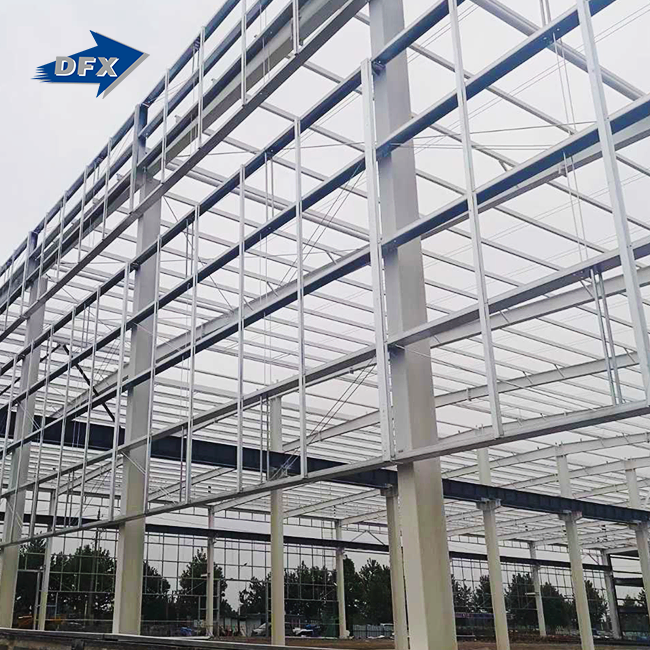
Steel frames that work well spread weight evenly among columns, beams, and bracing systems. To make sure that parts are the right size, engineers figure out the dead loads (permanent fixtures), live loads (people and tools), and environmental loads (wind, snow, and earthquakes). Using high-strength steel types like Q355B lowers the size of the members while keeping the same load capacity. This makes the classrooms bigger and clearer. Connection details, like bolted or welded parts, are carefully studied to make sure they won't wear out when loaded and unloaded many times, which is common in busy school settings, to ensure fatigue resistance.
Modular and Prefabricated Components for Enhanced Resilience
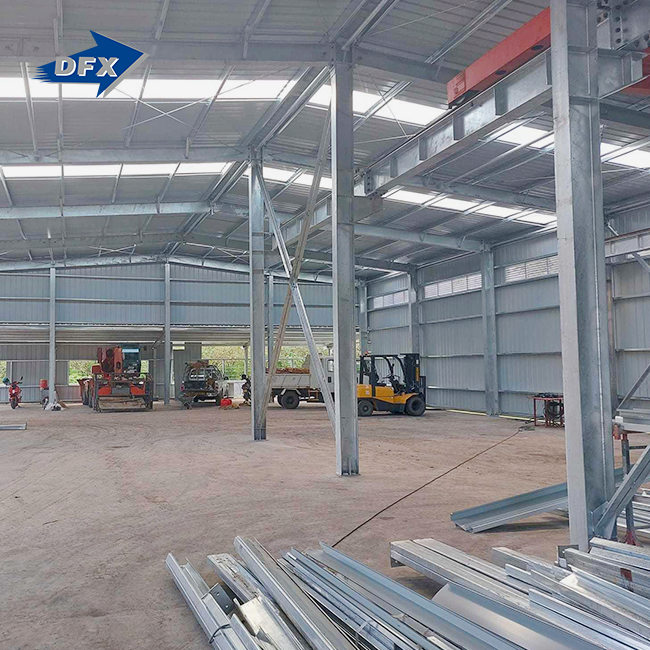
Prefabrication changes the quality of building. Precision that can't be reached on open job sites can only be reached in factory-controlled welding areas. Tight measurement standards are used to make H-beams and box columns, which ensures that they fit correctly when they are put together. This way of making things cuts down on delays caused by bad weather and wasteful waste of materials. When compared to cast-in-place concrete, pre-assembled blocks arrive at the job site ready to be quickly put together. This cuts project plans by 30 to 50%. The uniformity of prefabricated parts gets rid of weak spots that form when field conditions change, which directly increases the lifespan of the structure.
Thermal Insulation and Environmental Adaptation
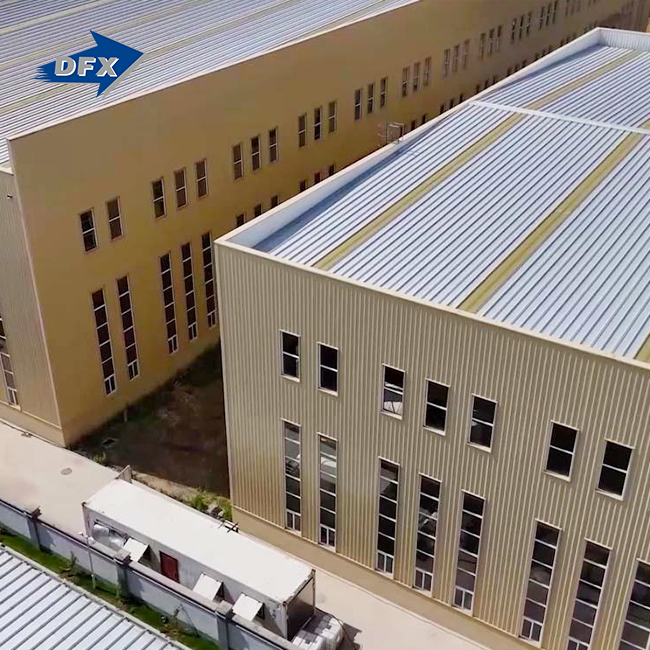
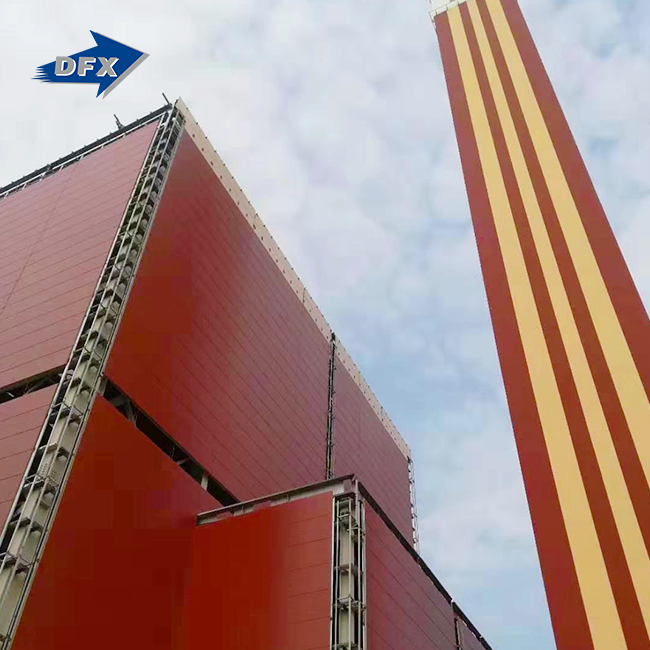
The building shell has a big effect on the inside conditions and the safety of the structure. Modern schools have multi-layer wall systems that are made up of steel frames and insulated sandwich panels or curtain wall structures. These methods keep heat in better (R-values higher than standard brick) and keep out condensation, which speeds up corrosion. In places where temperatures can range from -30°C in the Arctic to +50°C in the desert, properly insulated steel buildings keep people comfortable and keep structural parts from thermal cycling stress that wears down materials.
Integrating Fire Resistance and Seismic Safety
Safety measures should never be at the expense of longevity. Because it can bend without breaking during an earthquake, steel naturally does well in areas that are prone to earthquakes. To collect and release seismic energy, moment-resisting frames or braced designs are built. Intumescent layers that expand when heated are often used to protect against fire. This keeps steel members from melting and maintains their load-bearing ability for two to three hours. These safety features fit right into the structure and add years to its useful life by stopping major damage from happening through material ductility.
Construction and Material Quality: Keys to Steel Structure Endurance
Without good ingredients and skilled work, even great ideas fail. From planning plans to finished buildings, there needs to be strict quality control at every stage.
Selecting High-Grade Steel and Corrosion-Resistant Coatings
The specification of the steel grade is the first step in selecting a material. The mechanical qualities of Q235 and Q355 steels are reliable. Their yield strengths are 235 MPa and 355 MPa, respectively, making them good for most steel structure school building uses. The chemical make-up is also important: controlled carbon equivalents make sure that the metal can be welded without breaking. Hot-dip galvanisation (putting on zinc coats that are thicker than 600 g/m²) or multi-layer paint systems are the first steps in stopping corrosion. When epoxy zinc-rich bases and polyurethane topcoats are put together, they form walls that keep water and chemicals out. In places near the coast where salt spray is common, we recommend weather-resistant steel metals or increased coating layers that have been tested for salt spray.
Precision Construction Methods and Quality Assurance
The level of the construction decides how long the product will last. We follow strict testing procedures that are in line with AWS D1.1 welding standards. Ultrasonic testing for butt welds and magnetic particle checking for fillet welds are two non-destructive testing methods that can find flaws below the surface that can't be seen with the naked eye. Before sending parts to job sites, pre-assembly trials are done in manufacturing shops to make sure they are the right size and that the connections are lined up correctly. This preventative method keeps expensive changes from having to be made in the field and makes sure that structural parts work the way they were designed to throughout the building's lifetime.
Preventive Maintenance Strategies for Extended Lifespan
Buildings that last a long time still need to be maintained, but steel structures need it much less than other materials. Checks are done regularly to make sure the connections are tight, the coating is intact, and the draining system works. Fixing small problems early on, like fixing scratched paint or tightening bolts, keeps them from getting worse and needing major fixes. Maintenance plans for many steel structure school buildings are every three to five years, which is much less often than what is needed for concrete structures whose rebar can rust or brick systems whose mortar can break down. Over decades of service, this efficient upkeep directly leads to lower running costs.
Cost, Procurement, and Supplier Selection for Durable Steel School Buildings
Total cost of ownership means more than just the original budget for building. It also includes costs over the course of ownership and the dependability of the supplier.
Analyzing Lifecycle Costs and Initial Investment
Costs for steel-framed classroom buildings range from $150 to $350 per square metre, based on how complicated they are, how they are finished, and where they are located. The starting cost may be about the same as or slightly higher than standard building, but a lifetime analysis shows that there are big savings over time. Less upkeep, faster usage (earning money or using it sooner), and lower insurance rates due to better fire and seismic ratings more than make up for the initial costs. Heating and cooling costs are cut by 20 to 40% a year with energy-efficient covering systems. Over the course of 50 years, these operational savings add up to many times the difference in starting cost. This makes steel the most cost-effective choice for long-term building plans.
Evaluating Supplier Certifications and Project Experience
Choosing the right steel frame manufacturer can help you avoid risks during the buying process. Reliable providers keep their ISO 9001 quality management certification and CE marks to make sure they meet the requirements of the European market. Look at samples of past projects—completing similar educational buildings successfully shows that you can do the job. Ask about design support services. For example, can the provider help with building layout design, structural calculations, and installation? Integrated service providers make it easier to coordinate and hold people accountable. Check production capabilities and wait times to make sure plans work with the school's schedule. Suppliers with specialized technical teams offer support after the delivery, which is very helpful during the building's setup and early operation stages.
Managing Lead Times and Securing Reliable Quotes
When you use project-based fabrication, output only starts after full engineering approval. Depending on the size of the project and the supplier's workload, the wait time from design freeze to delivery is usually between 8 and 16 weeks. Getting involved with makers early on lets you make accurate plans for scheduling and buying things. Ask for thorough quotes that include the types of materials, coatings, connections, and shipping terms. A clear price builds trust and makes it easier to stick to a budget. Leasing tools or getting credit from a source can help projects that need to pay for things right away but don't have enough cash on hand. During buying, clear communication makes sure that everyone knows what to expect and lowers the risks of putting the project into action.
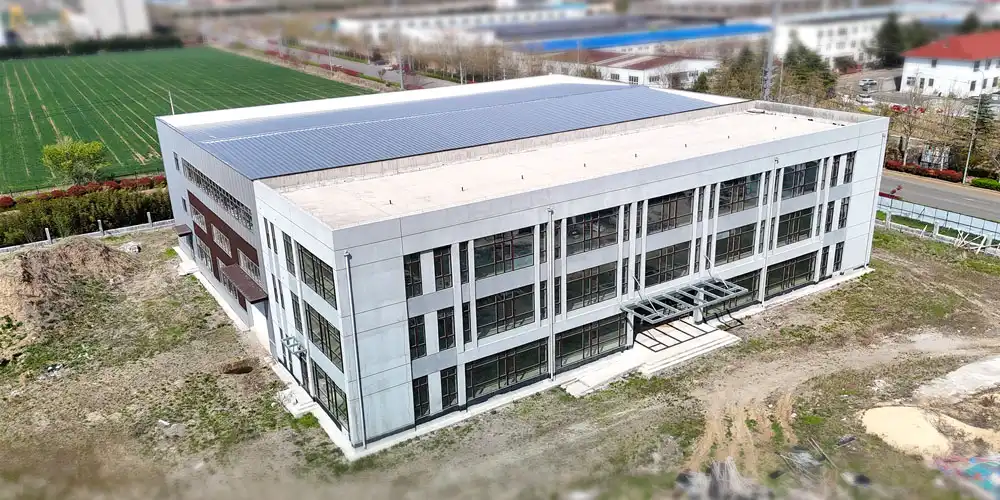
Real-World Case Studies Demonstrating Durability in Action
By looking at finished projects and recording their performance, theoretical claims of durability are proven true.
Performance in Extreme Weather Conditions
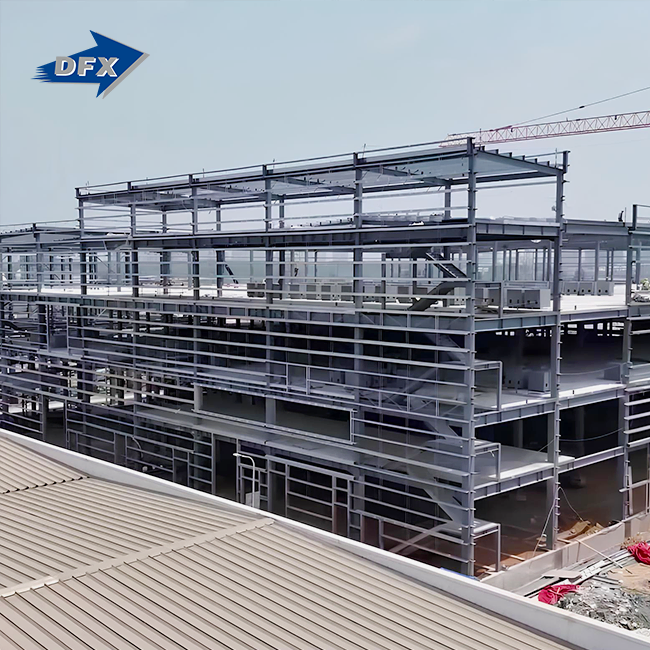
A multi-storey steel structure school building built in Minnesota has to deal with temperatures below -20°F in the winter and over 90°F in the summer. After 15 years of use, structural checks show that neither the steel parts nor the connections have become weaker. The temperature performance of the insulated metal panel wall is maintained, and energy use stays within 5% of what was planned. This stability shows that steel buildings that are properly designed can handle big changes in temperature without breaking down or losing their strength.
Seismic Resilience and Structural Integrity
A magnitude 6.8 earthquake happened in the Pacific Rim, but a steel structure school building survived the ground shaking without any structural damage. However, nearby brick buildings got very cracked. After the event, a study showed that the moment-resisting frame had distorted elastically, as planned, absorbing the seismic energy. Students and teachers were able to safely leave the building, and it continued to be used right after the inspection, proving that steel construction is safe for people living in areas that are prone to earthquakes.
Maintenance Records and Longevity Documentation
A steel school building with a structural steel design in the southeast of the United States that was finished in 2005 has a past of repairs that can be seen. Every three years, routine inspections are done to check the state of the coating, how well the expansion joints work, and how well the roof drains. For a 45,000-square-foot building, the average yearly care cost was $2,800, which is less than $0.06 per square foot per year. No changes to the structure have been needed. Even though it's hot and warm, the galvanised steel frame doesn't rust much. This history shows how long-lasting steel buildings can be with little upkeep if they are built and planned correctly.
Conclusion
Steel Structure School Buildings last a long time because they are made with high-quality materials, smart planning, and good building methods. Frameworks made of high-strength steel and safety systems that don't rust can stand up to environmental problems for decades. Prefabricated precision manufacturing gets rid of mistakes in building that shorten the life of the product. Thoughtful design takes into account things like fire protection, earthquake safety, and temperature performance without affecting the strength of the structure. For people who work in business-to-business procurement who are in charge of investing in school buildings, steel offers predictable long-term performance, lower upkeep costs, and more operating freedom than traditional construction. Projects that have already been finished around the world show that steel is the best material for building schools that need to last and be safe.
FAQ
1. How does steel framing address fire safety in school environments?
Intumescent coats or cementitious spray applications are used to protect school buildings with steel frames from fire. When these materials are heated, they spread, making layers of insulation that keep steel temperatures below critical levels. When properly covered, columns and beams keep their load-bearing ability for two to three hours during fires, which is longer than what the code requires and gives people time to safely leave the building. With current detection systems and area separation methods, steel school buildings are just as safe from fire as standard concrete buildings, if not safer.
2. Can steel structures provide adequate sound insulation for classrooms?
The sound quality of modern air devices is very good. Sound Transmission Class (STC) ratings of 50 or higher are reached by multi-layer wall assemblies that use mineral wool or glass fibre insulation. This successfully blocks outside noise and stops sound from moving between classes that are next to each other. Double-glazed windows with laminated glass block out noise even more. These systems meet or go beyond the performance standards for schools, making learning spaces where people can focus and talk to each other.
3. What maintenance does a steel teaching building require?
Compared to other options, steel buildings don't need as much upkeep. Every 3 to 5 years, routine checkups check the state of the coating, the tightness of the connections, and the drainage function. Touch-up painting fixes small scratches before they turn into rust. Steel that has been properly painted or galvanised can last 50 to 100 years with only small repairs and checks every so often. This feature of steel that doesn't need much upkeep lowers costs and keeps school activities running smoothly, making it perfect for buildings that are always being used.
Partner with DFX for Your Next Educational Infrastructure Project
Director Steel, operating as DFX, brings over 12 years of specialized experience in manufacturing durable steel structure teaching building for demanding applications. Our 40,000-square-meter production facility employs advanced fabrication lines producing welded H-beams, C/Z purlins, and integrated envelope systems to exact specifications. As a trusted supplier of steel structures for school buildings, we maintain ISO 9001 certification and CE compliance, ensuring every component meets international quality standards. Our comprehensive service scope includes architectural layout design, structural calculation, precision fabrication, and installation guidance—supporting your project from concept through completion.
Whether you're planning a new teaching facility or expanding existing campus infrastructure, our technical team delivers engineered solutions tailored to your specific requirements. We understand the critical importance of schedule adherence, budget control, and quality assurance in educational construction projects. Connect with us at jason@bigdirector.com to discuss how our proven manufacturing capabilities and turnkey approach can help you make your idea come true quickly and with confidence.
References
1. American Institute of Steel Construction. (2022). Specification for Structural Steel Buildings (AISC 360-22). Chicago: AISC.
2. Chen, W.F., & Lui, E.M. (2019). Handbook of Structural Engineering (2nd ed.). Boca Raton: CRC Press.
3. European Committee for Standardisation. (2020). Eurocode 3: Design of Steel Structures—Part 1-1: General Rules and Rules for Buildings. Brussels: CEN.
4. Salmon, C.G., Johnson, J.E., & Malhas, F.A. (2018). Steel Structures: Design and Behaviour (6th ed.). Upper Saddle River: Pearson Education.
5. Tamboli, A.R. (2021). Steel Design Handbook: LRFD Method (2nd ed.). New York: McGraw-Hill Education.
6. Zhang, L., & Wang, Y. (2020). "Durability Assessment of Prefabricated Steel Structures in Educational Buildings." Journal of Constructional Steel Research, 165, 105-118.
Learn about our latest products and discounts through SMS or email