- English
- French
- German
- Portuguese
- Spanish
- Russian
- Japanese
- Korean
- Arabic
- Greek
- German
- Turkish
- Italian
- Danish
- Romanian
- Indonesian
- Czech
- Afrikaans
- Swedish
- Polish
- Basque
- Catalan
- Esperanto
- Hindi
- Lao
- Albanian
- Amharic
- Armenian
- Azerbaijani
- Belarusian
- Bengali
- Bosnian
- Bulgarian
- Cebuano
- Chichewa
- Corsican
- Croatian
- Dutch
- Estonian
- Filipino
- Finnish
- Frisian
- Galician
- Georgian
- Gujarati
- Haitian
- Hausa
- Hawaiian
- Hebrew
- Hmong
- Hungarian
- Icelandic
- Igbo
- Javanese
- Kannada
- Kazakh
- Khmer
- Kurdish
- Kyrgyz
- Latin
- Latvian
- Lithuanian
- Luxembou..
- Macedonian
- Malagasy
- Malay
- Malayalam
- Maltese
- Maori
- Marathi
- Mongolian
- Burmese
- Nepali
- Norwegian
- Pashto
- Persian
- Punjabi
- Serbian
- Sesotho
- Sinhala
- Slovak
- Slovenian
- Somali
- Samoan
- Scots Gaelic
- Shona
- Sindhi
- Sundanese
- Swahili
- Tajik
- Tamil
- Telugu
- Thai
- Ukrainian
- Urdu
- Uzbek
- Vietnamese
- Welsh
- Xhosa
- Yiddish
- Yoruba
- Zulu
Steel Structure Workshop for Heavy Manufacturing: Key Facts
When planning a new heavy industrial plant or increasing the capacity of an existing one, picking the right building system has a direct effect on how well it works and how much money it makes in the long run. In industrial settings that need big spaces, quick building times, and the ability to support heavy equipment and overhead crane systems, a steel structure workshop has become the best option. These pre-engineered building systems use welded H-section steel frames (usually of the Q235 or Q355 grade) along with bolted links and C/Z steel purlins to make strong, adaptable areas. In contrast to traditional concrete buildings, these workshops shorten project timelines by up to 40% by prefabricating parts off-site. They also provide better strength-to-weight ratios that lower the need for foundations and total project costs.

Understanding Steel Structure Workshops in Heavy Manufacturing
Heavy manufacturing needs factories that can handle shifting loads, big machines, and complicated processes without sacrificing safety or space efficiency. Engineered frame systems made especially for heavy activities meet these needs in industrial steel buildings.
Core Components and Material Standards
Any industrial steel building is held together by main structure elements that are made to exact specs. The main columns and rafters are made from welded H-beams, which give the structure great load-bearing ability while still being relatively light compared to concrete options. These parts are made to meet ASTM standards for materials and are hot-dip galvanized or covered with multi-layer epoxy zinc-rich coats to keep them from rusting in harsh conditions. Cold-formed C and Z purlins are part of the secondary frame system. They support the roof and wall cladding, making the whole structure envelope. Strong fixed connections make it easy to put things together on-site, which cuts down on the amount of work that needs to be done and the time it takes to build.
Advantages Over Traditional Construction Methods
Steel-framed factories have cost and performance advantages. Because these systems are preconfigured, base work and portion production can happen at the same time. It cuts months from concrete building plans. Strong for its weight, steel reduces foundation dead loads. This can sometimes reduce concrete digging and pouring expenses by 30–50%. Since the material is isotropic, stress behaviour may be expected. This simplifies engineering maths and ensures material consistency at all temperatures. In manufacturing zones, these buildings' clear-span designs exceeding 30 meters allow materials and tools to move freely without columns blocking the floors.
Applications Across Manufacturing Sectors
Industrial steel buildings are used by different types of businesses to solve specific working problems. Heavy assembly plants that use 50- to 300-ton overhead bridge cranes need runway beams and bracket systems that are stronger and better able to handle dynamic loads and shaking. The cabins without columns are great for putting together cars because they can handle automated guided vehicles and different production line layouts. Chemical processing plants that work in corrosive settings ask for better protective coats or parts made of stainless steel to make them last longer than 50 years. During the planning process, each application needs to carefully think about load paths, expansion joints, and environmental conditions to make sure the structure will last for a long time.
Design and Construction Process of Steel Structure Workshops
A project's success depends on careful planning and performance at every stage, from the initial idea to the final approval.
Structural Engineering and Load Analysis
The planning procedure begins with site evaluation and load calculation. Engineers choose spread footings, grade beams, or pile caps based on how much weight the dirt can hold. Live loads from manufacturing tools, storage supplies, and crane operations are considered along with the structure and covering system dead loads. ASCE 7-16 and comparable regional regulations consider local wind and seismic loads. Advanced finite element analysis software simulates the structure's behaviour to identify stress areas and optimal part sizes for material efficiency and safety. This analytical vigilance prevents over-engineering, which raises costs, and ensures ample space for planned operations.
Fabrication and Quality Control
Making things happen in controlled factories that are more precise and consistent than options that are built on the job site. Automated welding lines make H-beams with dimensions that are accurate to within 2 to 3 millimeters. This makes sure that they fit correctly when they are put together. Before protection coatings that meet certain dry film thickness standards are put on steel surfaces, they are shot-blasted to a Sa2.5 grade. As part of ISO 9001-certified production processes, there are recorded inspection spots where ultrasonic testing checks the quality of the welds, and dimensional checks make sure they match the shop plans. Putting a CE mark on structural steel parts that are going to be used in foreign projects shows that they meet European standards. Focusing on quality cuts down on changes and calls backs that happen in the field and throw off building plans.
On-Site Erection and Installation
Once the supports are dry and the base bolts are in place, field assembly moves along in a planned way. Crane teams put up main beams bay by bay, plumbing and supporting each one before moving on to the next. Bolt-up connections are torqued to the specs set by the engineer, and important parts are checked before loads are transferred. Once the main frame is up, the purlins and girts are quickly put in place. Insulated sandwich panels or single-skin covering are then added, based on the building's thermal performance needs. Teams of experienced erectors can finish a normal 5,000-square-meter workshop in 25 to 35 days, from laying the foundations to making the weathertight structure. Complete installation instructions and technical support from makers on-site make this process easier, making it faster for local workers who don't know exactly how to connect things or what order they need to be put together in.
Cost Estimation and Procurement Considerations
Accurate budgeting and choosing the right provider have a big impact on the success of a project, so procurement pros have to look at more than just the initial price.
Material and Construction Cost Factors
Steel structure workshop design prices fluctuate with the global market, but there are ways to cut costs. Standardising bay spacing and minimising bespoke linkages reduces production complexity and costs. Choose the proper covering solutions by balancing upfront cost and long-term energy efficiency. Although pricier, polyurethane-core sandwich panels offer superior thermal protection than single-skin profiles with fibreglass insulation. Soil type greatly impacts foundation needs. Strong soil supports short foundations, which are cheaper than deep pile systems in soft soil. Accurate number takeoffs and material requirements during bidding help prevent expensive building modification orders. The typical cost to create a whole industrial steel building is $95 to $180 per square metre, depending on complexity, span, and local labour costs.
Supplier Evaluation Criteria
Look beyond pricing bids to identify qualified makers. Production capacity indicates whether the supplier can meet project schedules. For instance, facilities that produce 20,000 tonnes of structural steel might work on many projects simultaneously. Design-build services, which go beyond selling parts, demonstrate technical expertise. They provide structural planning, detailing, and installation. ISO accreditation and CE marking demonstrate quality management methods that satisfy international standards. Comparing completed projects of similar size and difficulty builds confidence in job completion. Qingdao Director Steel Structure Co., Ltd., a 12-year-old manufacturer with 40,000 square meters of production space, offers complete solutions from concept to completion. These solutions simplify teamwork compared to multiple vendors.
Lead Times and Project Scheduling
Knowing when things need to be made and delivered helps avoid costly delays. Made-to-order production for custom industrial steel buildings usually takes 25 to 45 days from when the shop plans are accepted to when the container is loaded. This depends on the size of the project and how complicated the specifications are. International shipping adds 20 to 40 days to the time it takes to get ocean freight to ports in North America, plus the time it takes to get the goods through customs. To make sure that parts come at the right time for groups that are ready to put them together, procurement managers must arrange these schedules with foundation contractors and site preparation. Early involvement of suppliers during the basic design stages helps find long-lead items like custom cladding profiles or specialty crane runway parts that need longer production windows.
Maintenance, Durability, and Environmental Impact
The long-term success of a building rests on how well it is maintained and what choices were made during the design phase that make it more sustainable.
Longevity and Weather Resistance
Steel structure workshops can last over 50 years under various weather conditions if properly planned and maintained. Hot-dip galvanisation prevents cathodic rust, which is particularly useful near saline water or in chemical-laden industrial regions. Intumescent fire-retardant coatings expand when heated. This keeps structural parts warm and load-bearing for 2–4 hours during a fire. Proper slope and sealed joints help roof and wall coverings shed rainwater. This layer prevents water from harming insulation and rusting. In wood-frame houses, termites and rodents can cause damage, but the material is naturally bug-resistant.
Preventive Maintenance Programs
Regular checks keep structures strong and find small problems before they get worse and cost a lot to fix. Visual checks are done once a year to see if the layer is wearing away, especially at links and penetrations where water can gather. Any rust bloom is fixed right away by preparing the surface in specific areas and applying a touch-up coating. Checking the tightness of fasteners on a regular basis is important, especially in structures that hold up moving equipment or crane systems. Checking the quality of the insulation stops thermal bridging and dampness, which wastes energy and makes the home less comfortable. These simple upkeep tasks don't cost nearly as much as the extensive fixes that need to be done on standard buildings over time because of alkali-silica reaction or reinforcement corrosion.
Sustainability and Recyclability
Environmental concerns are becoming more and more important when deciding where to invest in facilities, and steel-frame buildings have real benefits. Over 85% of steel that has reached the end of its useful life is repurposed, making it the most recyclable material in the world. Parts of structures can be taken apart and used again or sent back to mills to be used as raw materials for new goods without losing any quality. Because less material is needed than in a concrete building, embodied carbon is lower. For example, steel frames need about 60% less mass than similar concrete systems. Using high-performance insulation and daylighting techniques in energy-efficient building envelope designs lowers operating carbon loads even more. These qualities help with LEED approval and other green building standards that make businesses look more environmentally friendly and may help them get tax breaks or better financing.
Making the Right Decision: Choosing Steel Structure Workshops for Your Facility
To choose the best building solutions, procurement professionals have to balance technical needs, price limits, and practical needs.
Matching Structure to Production Requirements
Certain features of a building are required by the manufacturing process. For operations that involve moving things by crane, the engineering needs to be able to handle the loads. This includes using strengthened walls and runway beam supports that are made to last. For assembly lines that benefit from natural lighting, transparent roof panels are used to cut down on the cost of artificial lighting while keeping the heat in. Processes that make heat or humidity need enough airflow, which affects how the roof monitor is designed and how the mechanical system is integrated. During the planning stages, production flow analysis finds the best column spacing and door locations that keep material moving lengths to a minimum and support lean manufacturing principles. Productivity and efficiency are directly affected by how well the built surroundings and operational processes work together.
Evaluating Customization Capabilities
Standardized building systems save money, but many production processes need to be changed. Reliable providers offer technical freedom to allow for mezzanine floors, special base anchors for heavy equipment, or more structural capacity in case the business grows in the future. Cladding choices should include different levels of fire protection, insulation thickness, and styles that look good and meet both useful needs and community building standards. Including client-provided equipment like HVAC systems, dust collection ductwork, or process pipes in the planning phase helps avoid problems during building and start-up. Suppliers who give full services, from initial plan ideas to thorough shop drawings and on-site control of erection, make it easier to get projects done and make sure that everyone is responsible.
Real-World Performance Examples
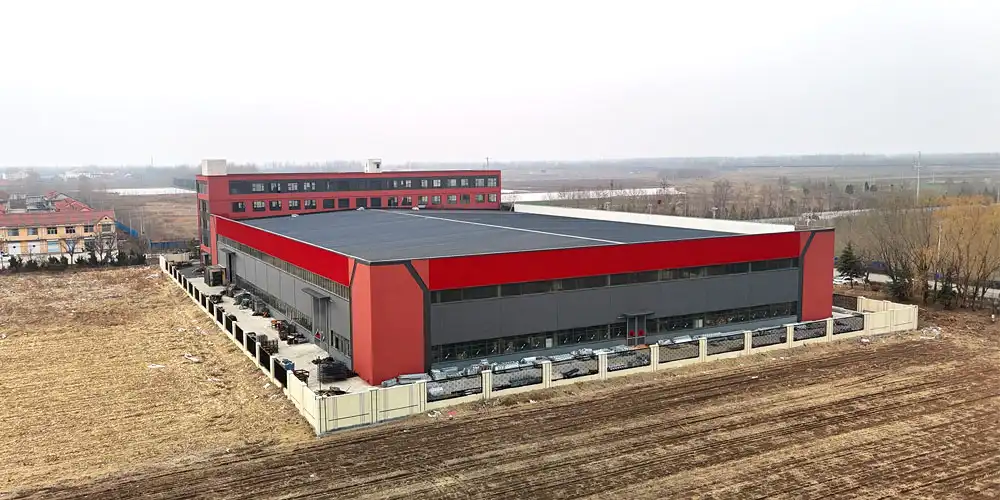
Case studies show how steel structure workshops used in industry can be used to solve real-world problems. A Midwest company that makes auto parts chose a pre-engineered steel structure to replace old buildings. The new buildings were ready for use 65% faster than the concrete construction timeline they had planned. The design without columns allowed for flexible equipment setups that allowed three changes to the production line over eight years without having to make any structural changes. A Southern U.S. company that makes agricultural equipment asked for better rust protection for a building that handles chemical fertilizers. Galvanized parts and epoxy coats will keep the building running smoothly for ten years without any maintenance. These examples show how a steel-frame building is the best choice for demanding manufacturing settings because it is flexible and long-lasting.
Conclusion
When it comes to speed of construction, operating flexibility, and long-term cost-effectiveness, choosing an industrial steel structure workshop for heavy manufacturing activities is clear. Because they are pre-engineered to be efficient, have high strength-to-weight ratios, and can be easily modified, these systems are perfect for factories that need to have large clear spans and support heavy equipment. When you choose the right provider, you can get access to technical knowledge, high-quality fabrication, and full project support that lowers risks and speeds up commissioning. As automation and environmentally friendly methods continue to change production, steel-frame buildings will continue to provide the strong but adaptable infrastructure needed to keep businesses competitive for a long time to come.
FAQ
What is the typical construction timeline for an industrial steel building?
Schedules for building rely on the size and complexity of the project, but a normal 5,000-square-meter building goes from the ground start to the weathertight enclosure in 60 to 75 days. This includes 15 to 20 days for working on the foundations, 25 to 45 days for making the steel while the foundations are being built, and 20 to 30 days for putting up the frame and covering. These schedules are based on the idea that the weather will be normal and that trades will be able to work together well.
How do steel structure workshops perform in cold climates?
When insulation and thermal break features are chosen and installed correctly, steel structure workshops work very well in cold places. Rockwool-core sandwich panels that are 100 to 150 mm thick offer better heat protection and meet fire safety standards because they are made of non-flammable materials. On the warm side, vapor shields keep condensation from forming inside the wall and roof sections. When paired with energy-efficient HVAC systems and proper building envelope sealing, heated facilities keep working conditions nice at a low cost.
Can existing facilities add overhead cranes later?
Adding cranes to buildings that weren't made for them from the start is a very difficult engineering task. When cranes are used, they put a lot of weight on the ground and push things forward and backward. This means that the beams, foundations, and runway support structures need to be specially built. Buildings that are going to have cranes installed in the future should have the right structural measures built in from the start, even if the cranes aren't bought until later. This method is much less expensive than adding to the structure after people have moved in.
Partner with DFX for Your Steel Structure Workshop Project
When you work with experienced steel structure workshop suppliers who know what heavy manufacturing needs are, it's easy to find your way around the complicated process of buying an industrial facility. Through our production partner Qingdao Director Steel Structure Co., Ltd., DFX has more than 12 years of experience providing full pre-engineered building options. Our production center is 40,000 square meters, and we have more than 200 trained workers who make high-quality parts that meet ISO9001, CE, and ASTM standards. We offer a full range of services, such as structural design, manufacturing, surface treatment, and on-site installation help, to make sure your project stays on schedule and on budget. Email Jason at jason@bigdirector.com to talk about your unique needs and get a quote that is tailored to your manufacturing processes.
References
1. American Institute of Steel Construction. (2017). Steel Construction Manual, 15th Edition. Chicago: AISC.
2. Newman, Alexander. (2019). Pre-Engineered Metal Buildings: Design and Construction Practices for Industrial Facilities. New York: McGraw-Hill Professional.
3. Trahair, N.S., Bradford, M.A., Nethercot, D.A., & Gardner, L. (2017). The Behaviour and Design of Steel Structures to EC3, Fifth Edition. Boca Raton: CRC Press.
4. Ghosh, S.K. & Fanella, D.A. (2018). Seismic and Wind Design of Concrete Buildings According to Structural Codes. Portland: International Code Council.
5. Davies, J.M. (2021). Light Gauge Steel Structures: Recent Advances and Future Trends. Journal of Constructional Steel Research, Volume 179, pp. 106-121.
6. Lawson, R.M. & Ogden, R.G. (2020). Sustainable Steel Construction: Design Principles for Low-Carbon Buildings. London: The Steel Construction Institute.
Learn about our latest products and discounts through SMS or email