- English
- French
- German
- Portuguese
- Spanish
- Russian
- Japanese
- Korean
- Arabic
- Greek
- German
- Turkish
- Italian
- Danish
- Romanian
- Indonesian
- Czech
- Afrikaans
- Swedish
- Polish
- Basque
- Catalan
- Esperanto
- Hindi
- Lao
- Albanian
- Amharic
- Armenian
- Azerbaijani
- Belarusian
- Bengali
- Bosnian
- Bulgarian
- Cebuano
- Chichewa
- Corsican
- Croatian
- Dutch
- Estonian
- Filipino
- Finnish
- Frisian
- Galician
- Georgian
- Gujarati
- Haitian
- Hausa
- Hawaiian
- Hebrew
- Hmong
- Hungarian
- Icelandic
- Igbo
- Javanese
- Kannada
- Kazakh
- Khmer
- Kurdish
- Kyrgyz
- Latin
- Latvian
- Lithuanian
- Luxembou..
- Macedonian
- Malagasy
- Malay
- Malayalam
- Maltese
- Maori
- Marathi
- Mongolian
- Burmese
- Nepali
- Norwegian
- Pashto
- Persian
- Punjabi
- Serbian
- Sesotho
- Sinhala
- Slovak
- Slovenian
- Somali
- Samoan
- Scots Gaelic
- Shona
- Sindhi
- Sundanese
- Swahili
- Tajik
- Tamil
- Telugu
- Thai
- Ukrainian
- Urdu
- Uzbek
- Vietnamese
- Welsh
- Xhosa
- Yiddish
- Yoruba
- Zulu
Is a Steel Structure Supermarket Seismically Safe?
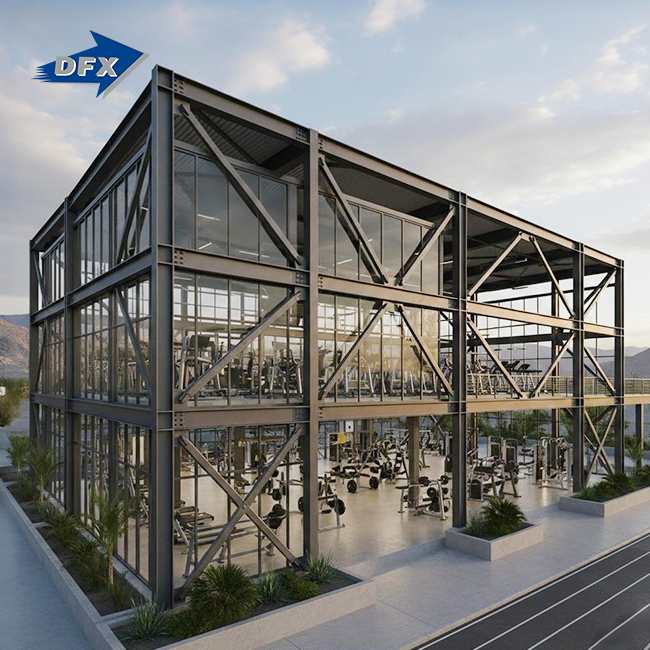
A steel structure supermarket is seismically safe when properly engineered. Steel's natural ductility allows it to flex under seismic loads rather than crack or collapse, a property concrete simply cannot match. Modern retail steel buildings designed to the International Building Code (IBC) or Eurocode 8 standards are routinely engineered for seismic resistance up to Grade 8 intensities. With the right framing system, foundation anchoring, and certified materials, a steel-framed supermarket provides reliable protection for occupants and inventory during an earthquake event.

Understanding Steel Structure Supermarkets and Seismic Safety
What Is a Steel Structure Supermarket?
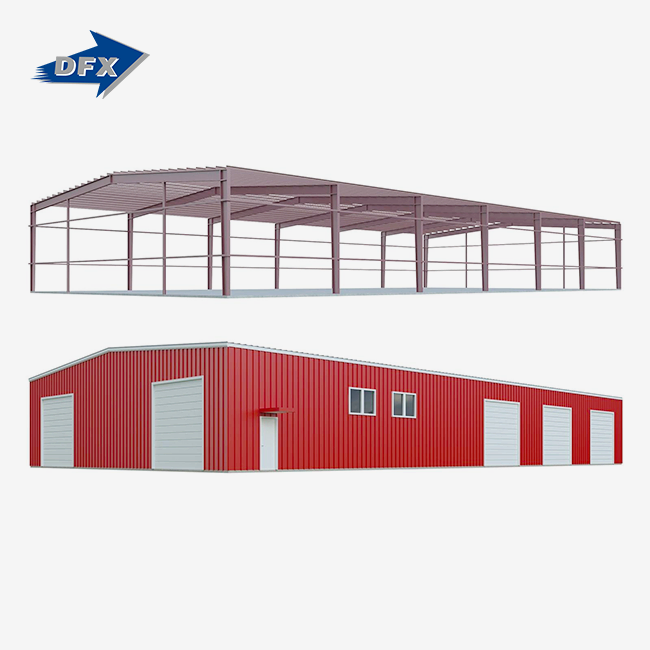
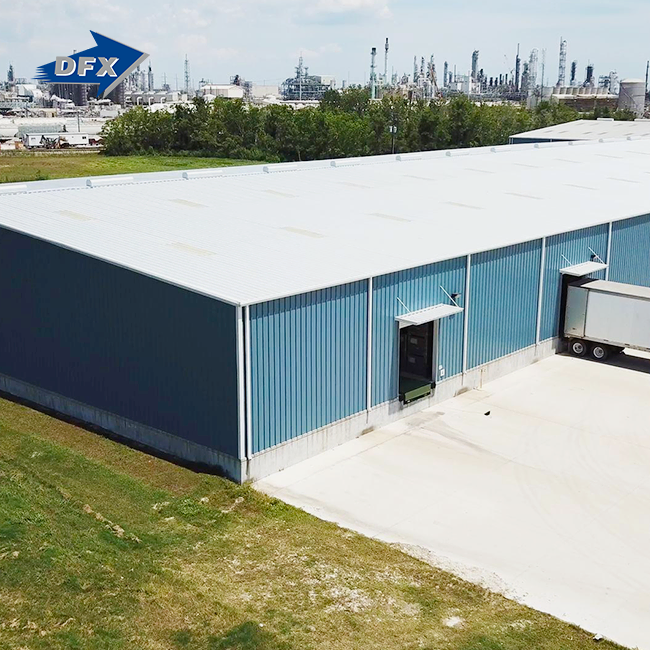
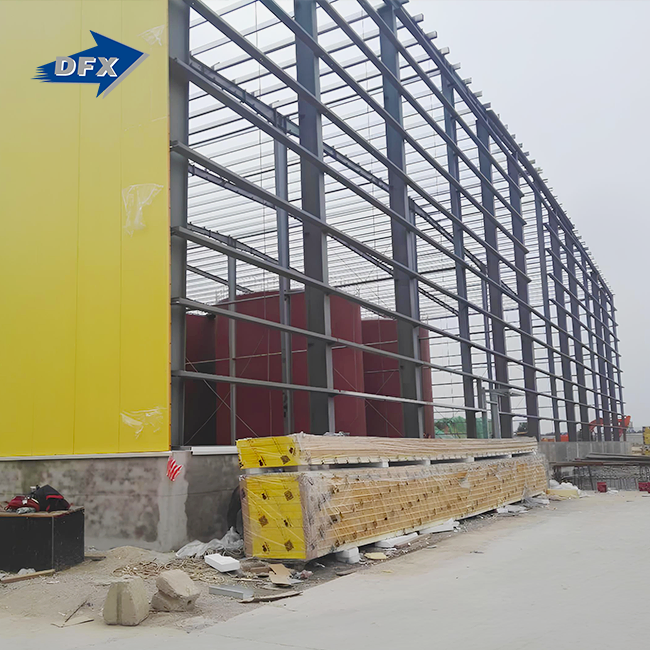
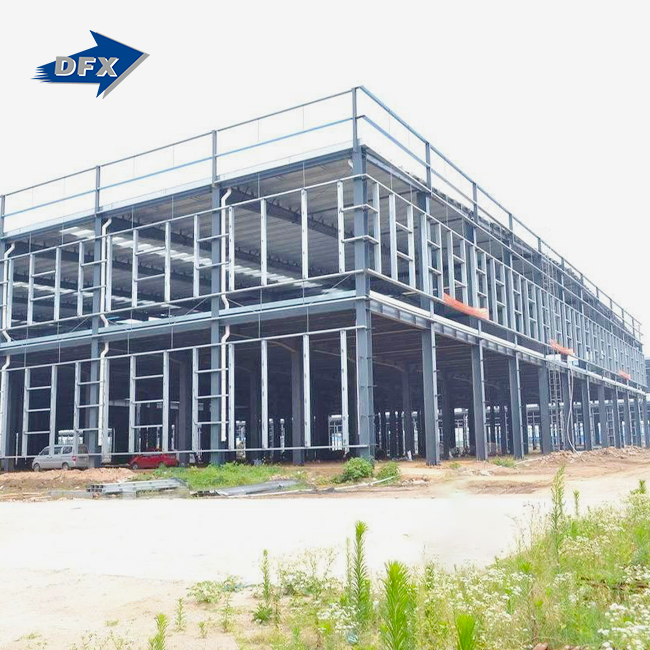
A steel structure supermarket is a supermarket that was built using the Pre-Engineered Building (PEB) system. High-grade H-section steel, like Q355B or ASTM A572 Grade 50, is used for the main framework. Cold-formed C/Z purlins provide secondary support. Clear-span interiors with lengths between 20 m and 60 m get rid of the middle beams. This gives supermarkets more floor space for shelves, wide hallways, and lots of foot traffic without affecting the structure.
How Earthquakes Affect Commercial Buildings
During an earthquake, lateral forces push and pull on the frame of a building in more than one direction at the same time. Rigid, flimsy things like unreinforced concrete don't take in much of that energy; they break. On the other hand, earthquake forces are spread out across the whole structure of a steel-framed building. Because of this difference in behavior, studies done after earthquakes always show that steel structure supermarkets with the same size as concrete ones have less structural damage.
Why Code Compliance Matters for Retail Structures
Based on seismic risk zones, the IBC and Eurocode 8 set basic design standards for how well buildings should work during earthquakes. Code compliance is a must for a supermarket, which is considered an occupancy group with a lot of public exposure. Ground motion data specific to the site, dirt classification, and occupancy key factors that must all be taken into account by designers. When buying steel for retail projects, procurement managers should always ask for proof that the structural calculations are code-compliant before fabrication starts.
Why Steel Structures Are Considered Seismically Safe?
The Role of Ductility in Earthquake Resistance
Ductility is a material's ability to change shape a lot before breaking. A typical yield strength for structural steel is ≥ 345 MPa, and its tensile strength is between 470 and 630 MPa. This means that it can be deformed in a lot of different ways. This range acts as a cushion during an earthquake; the steel frame bends, soaks up energy, and then straightens out again, instead of breaking. Because of this, steel is the best material for moment-resisting frames in East Asia and North America, where there are a lot of earthquakes.
Real-World Performance Evidence
The 1994 Northridge earthquake in California and the 1995 Kobe earthquake in Japan both produced a lot of data that could be used to compare how well different types of materials held up in different situations. In both cases, business buildings with steel frames were much less likely to fall down than buildings with concrete frames that were the same age. After the event, engineering studies like those published by the Structural Engineers Association of California (SEAOC) showed that properly detailed steel moment frames kept the structure's integrity under ground accelerations of more than 0.5 g.
Steel vs. Concrete vs. Wood-Frame Retail Buildings
Each material has pros and cons when it comes to how well it performs in earthquakes. This is a straight comparison:
- Steel frame: has a lot of bendability, failure modes that can be predicted, quick post-event inspection, and flexible repairability. Great for retail areas with a clear span of more than 20 m.
- Reinforced concrete: A heavier dead load raises the cost of the base; a brittle failure risk without careful planning; a longer building cycle.
- Light wood frame: only good for small supermarket spaces because they don't handle earthquakes well over longer spans and can't handle heavy business loads.
A steel-framed option is the best way to build a medium- to large supermarket building in an earthquake zone because it is safe and costs less over time.
Core Design Principles to Enhance Seismic Safety in Steel Structure Supermarkets
Framing and Bracing Systems
For a steel structure supermarket, either a moment-resisting frame or a concentrically braced frame is the main device in a seismically safe building that stops side forces. Moment frames let beam-column links turn when they are loaded, which slowly releases energy. When you have a braced frame, diagonal steel members transfer side forces directly to the foundation. A lot of business supermarket designs use both systems together, with moment frames around the outside and braced frames at the service cores inside. This mix spreads out the demand for earthquake protection widely and keeps stress from building up in one place.
Foundation Anchoring and Base Isolation
The first line of defense is the foundation design. Anchor bolt systems that connect steel columns to reinforced concrete footings need to be made to handle both tension and shear from earthquakes. Sites in high seismic zones (IBC Seismic Design Category D or above) can benefit from base isolation systems, which include elastomeric bearings placed between the column base and the footing. These systems greatly reduce the amount of ground motion that gets into the superstructure. This technology has been used for decades in business buildings in Japan, and it is being used more and more in retail projects in the US.
Flexible Joints and Prefabricated Connection Details
During an earthquake, connections that are too rigid to allow even a little movement can break. When bolted moment connections are made to AISC 360 standards and the bolt holes are lined up within ±2 mm, they allow for controlled spin while still transferring load. When these connection details are made ahead of time in a workshop, under strict quality control, the results are much more uniform than when they are welded in the field. With this level of accuracy, the most vulnerable parts of the frame to earthquakes are made less likely to be damaged.
Steel Structure Supermarket Construction Process Focused on Seismic Safety Material Certification and Quality Control
Make sure the products you use are safe for earthquakes. Every steel heat used in the main frame must have a Mill Test Certificate (MTC) that says what chemicals are in it and what its mechanical properties are. Before a weld is shipped, it is checked for soundness using Non-Destructive Testing (NDT), especially Ultrasonic Testing (UT) for full-penetration butt welds and Magnetic Particle Testing (MT) for fillet welds. Dry Film Thickness (DFT) testing checks the quality of the surface treatment. Hot-dip galvanization (zinc coating ≥ 275 g/m²) protects against the high humidity that is common in areas where fresh food is sold.
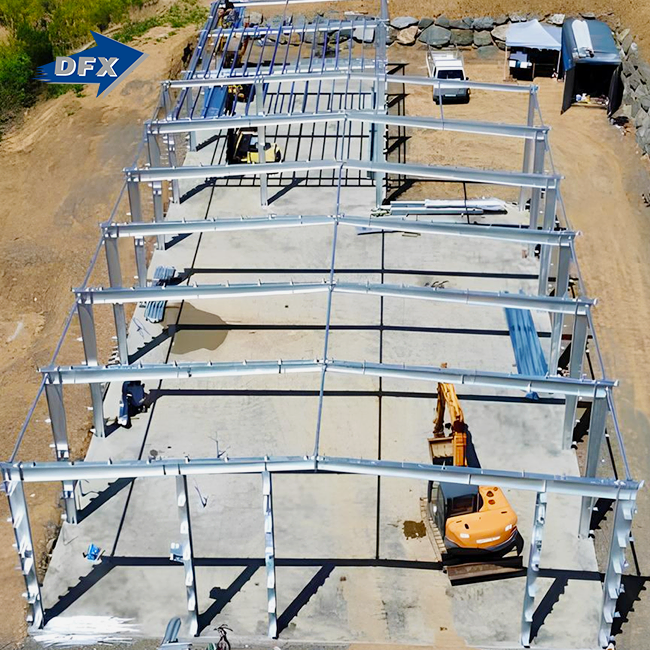
Fabrication Precision and Pre-Assembly Checks
The correctness of the dimensions used during manufacturing has a direct effect on the speed and performance of the structure during assembly. Laser measurements on main frames that have already been put together make sure that the bolt holes are lined up within ±2 mm. Before they are sent out, roof trusses are deflection tested under virtual loads to make sure that the structural estimates are correct. By taking these steps, the field changes that would have caused unintended stress concentrations are taken away. This is especially important in seismic uses where link geometry is very important.
Selecting a Qualified Steel Structure Manufacturer
Managers in charge of buying things should look for sellers whose products have the ISO 9001 quality management certification and the CE marking on structural steel parts. These marks show that the products meet accepted manufacturing standards. A provider that can do planning, fabrication, and installation in-house makes project management easier and keeps quality control up to date at all stages. Experience with business projects like shopping malls, factories, and multi-story buildings shows that you have the cross-disciplinary knowledge needed to build a safe supermarket during a seismic event.
Evaluating Cost, Durability, and Environmental Impact in Seismic Steel Supermarkets
Initial Investment vs. Long-Term Return
When compared to cast-in-place concrete, steel-framed retail buildings usually cut the total project timeline by 30–50%. This is because prefabrication can happen at the same time as base work. Faster occupancy means more money coming in earlier. Over a 50-year service life, which is possible with the right surface treatment, the cost of upkeep is still less than that of concrete, which needs to be treated for carbonation and cracks every so often. Lower insurance rates for approved earthquake-resistant buildings lower the total cost of ownership even more. This is something that procurement teams that manage multiple supermarket locations are giving more and more weight to.
Lifecycle Cost Advantages Over Conventional Methods
When it's time to be torn down, conventional concrete retail buildings cost more and create a lot of waste that can't be recycled. On the other hand, steel keeps its value as scrap; structural steel is one of the most recycled materials in the world, with recycling rates of over 85% worldwide. If a company requires its procurement teams to be environmentally friendly, this ability to recycle supports green building certification goals like LEED. Because a steel structure supermarket has less structural dead load, it also has lower civil base costs. These savings help to partly make up for the higher cost of steel at the start.
Environmental Credentials and Green Building Standards
Designing for earthquakes doesn't hurt energy efficiency; in fact, it helps it. Envelope systems made of 50–100 mm polyurethane (PU) or PIR sandwich panels have fire ratings of B1 or A, and they keep temperatures low enough for HVAC systems to work well in temperature-controlled shopping areas. When put together with a steel composite floor deck and an ornamental covering system, these panels meet the performance requirements for LEED and other green building standards. Choosing a steel structure supplier with both ISO 9001 and CE certification makes it easier to track where the materials come from, which is becoming more and more important in public procurement and ESG reporting.
Conclusion
If the design follows known codes, the materials are certified, and the quality of the construction is checked at every step, a well-engineered steel structure supermarket will work reliably during earthquakes. With moment-resisting frames, properly grounded foundations, and precision-fabricated connections, steel's flexibility makes it possible for a business building to withstand earthquake forces instead of giving way to them. The steel structure supermarket is a good investment for retail owners and EPC contractors working in seismic zones across the United States and beyond. It can be built faster, has lower lifetime costs, and is easy to recycle.
FAQ
Q1: Do seismic safety features significantly increase construction costs?
When seismic details like moment-resisting connections and anchor bolt upgrades are added, the cost of structural steel usually goes up by 8–15% compared to a standard design. However, this investment lowers long-term insurance rates and repair costs after an event, which usually results in a net lifetime saving.
Q2: How long does it take to build a steel-framed supermarket?
Since prefabrication happens at the same time as base work, the whole project takes 30–50% less time than a regular concrete building. A 3,000–5,000 m² mid-size supermarket building usually finishes putting up its structure 8–14 weeks after the base is ready.
Q3: Can an existing concrete supermarket be retrofitted with a steel structure?
Yes. As a seismic retrofit measure, steel braced frames and moment frames can be added to concrete supermarkets that are already there. The feasibility depends on the current foundation's strength and the state of the structure. An engineering assessment of the site must be done before the project can be bought.
Q4: What certifications should I request from a steel structure manufacturer?
For quality control, ask for ISO 9001 approval, CE marking for structural steel parts, and Mill Test Certificates for all main steel materials. Depending on the place where the goods are going, export projects may also need COC and PVOC licenses.
Get a Seismically Safe Steel Supermarket Quote from DFX
DFX — Qingdao Director Steel Structure Co., Ltd. — has been providing steel structure supermarket solutions since 2011 and is ISO 9001 and CE approved. We serve retail, commercial, and industrial customers all over the world from our 40,000 m² of production space and in-house structural design and assembly support. Get in touch with our engineering team right away to talk about your project needs and get a detailed proposal that fits your budget and seismic zone. Email us at jason@bigdirector.com to get in touch.
References
1. American Institute of Steel Construction (AISC). Seismic Provisions for Structural Steel Buildings (ANSI/AISC 341). 2022.
2. International Code Council (ICC). International Building Code (IBC). 2021.
3. European Committee for Standardization. Eurocode 8: Design of Structures for Earthquake Resistance (EN 1998-1). 2004.
4. Structural Engineers Association of California (SEAOC). Recommended Lateral Force Requirements and Commentary (Blue Book). 2019.
5. Federal Emergency Management Agency (FEMA). FEMA P-750: NEHRP Recommended Seismic Provisions for New Buildings and Other Structures. 2009.
6. World Steel Association. Steel Construction in Seismic Regions: Technical Report. 2020.
Learn about our latest products and discounts through SMS or email