- English
- French
- German
- Portuguese
- Spanish
- Russian
- Japanese
- Korean
- Arabic
- Greek
- German
- Turkish
- Italian
- Danish
- Romanian
- Indonesian
- Czech
- Afrikaans
- Swedish
- Polish
- Basque
- Catalan
- Esperanto
- Hindi
- Lao
- Albanian
- Amharic
- Armenian
- Azerbaijani
- Belarusian
- Bengali
- Bosnian
- Bulgarian
- Cebuano
- Chichewa
- Corsican
- Croatian
- Dutch
- Estonian
- Filipino
- Finnish
- Frisian
- Galician
- Georgian
- Gujarati
- Haitian
- Hausa
- Hawaiian
- Hebrew
- Hmong
- Hungarian
- Icelandic
- Igbo
- Javanese
- Kannada
- Kazakh
- Khmer
- Kurdish
- Kyrgyz
- Latin
- Latvian
- Lithuanian
- Luxembou..
- Macedonian
- Malagasy
- Malay
- Malayalam
- Maltese
- Maori
- Marathi
- Mongolian
- Burmese
- Nepali
- Norwegian
- Pashto
- Persian
- Punjabi
- Serbian
- Sesotho
- Sinhala
- Slovak
- Slovenian
- Somali
- Samoan
- Scots Gaelic
- Shona
- Sindhi
- Sundanese
- Swahili
- Tajik
- Tamil
- Telugu
- Thai
- Ukrainian
- Urdu
- Uzbek
- Vietnamese
- Welsh
- Xhosa
- Yiddish
- Yoruba
- Zulu
Benefits of Using a Walkway Steel Canopy Shed in Commercial Areas
A walkway steel canopy shed is a covered overhead structure built from high-strength steel framing to protect pedestrians and goods along transit corridors in commercial settings. Whether connecting warehouse blocks, factory entrances, or office wings, these structures keep workers dry, reduce slip hazards, and maintain operations through rain, wind, and intense sun. With certified designs, short production cycles, and options ranging from fully clad to open-sided frames, a steel canopy shed delivers measurable long-term value that alternative materials simply cannot match.

Understanding Walkway Steel Canopy Sheds in Commercial Areas
Before looking at prices or suppliers, it's helpful to know what these structures are, how they're made, and where they work best.
What Is a Steel Canopy Walkway Structure?
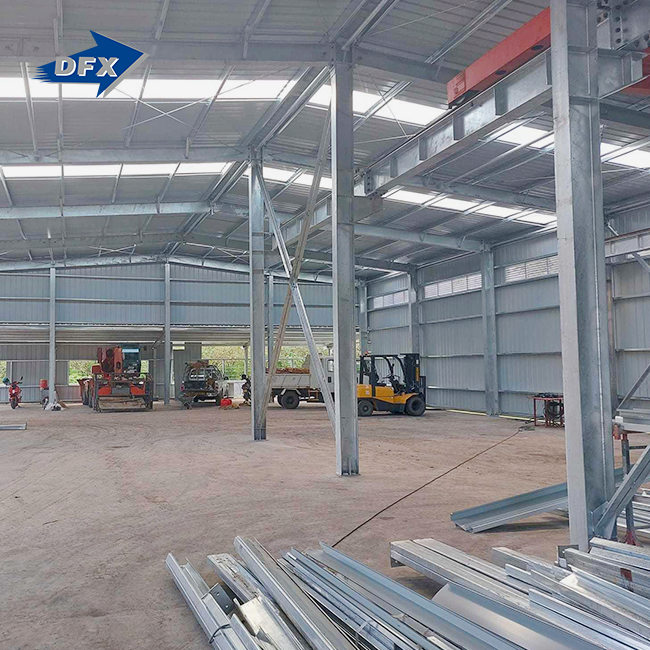
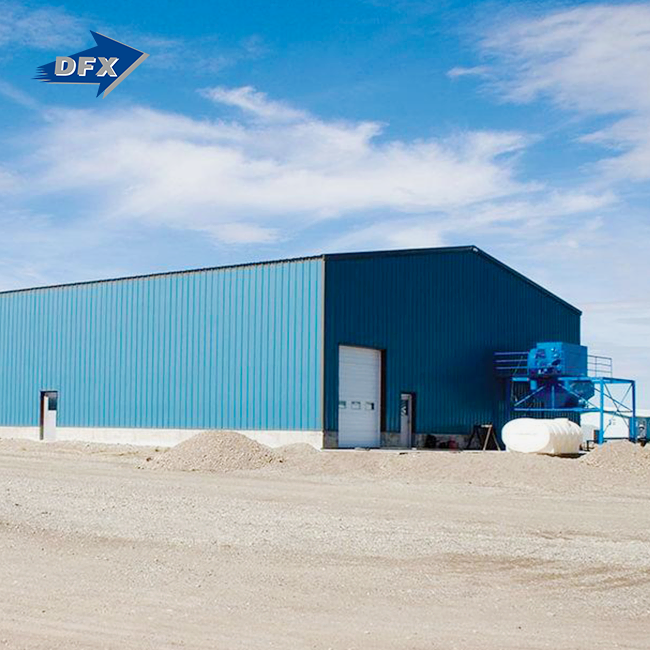
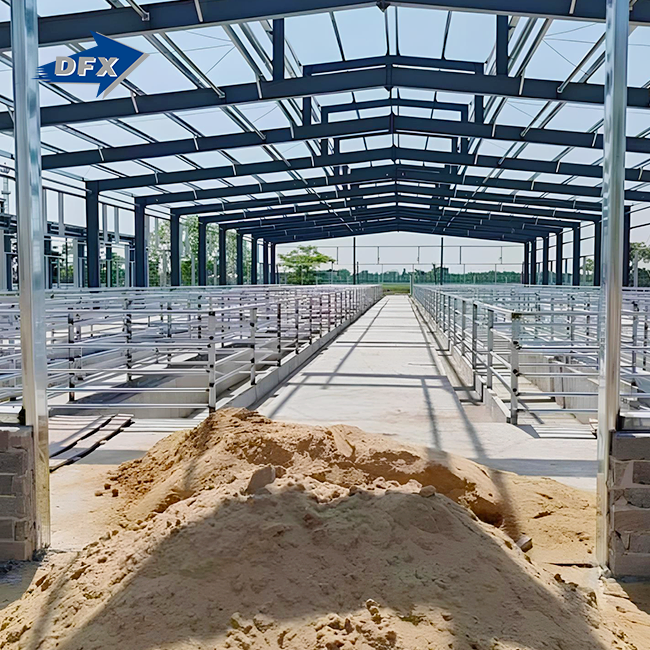
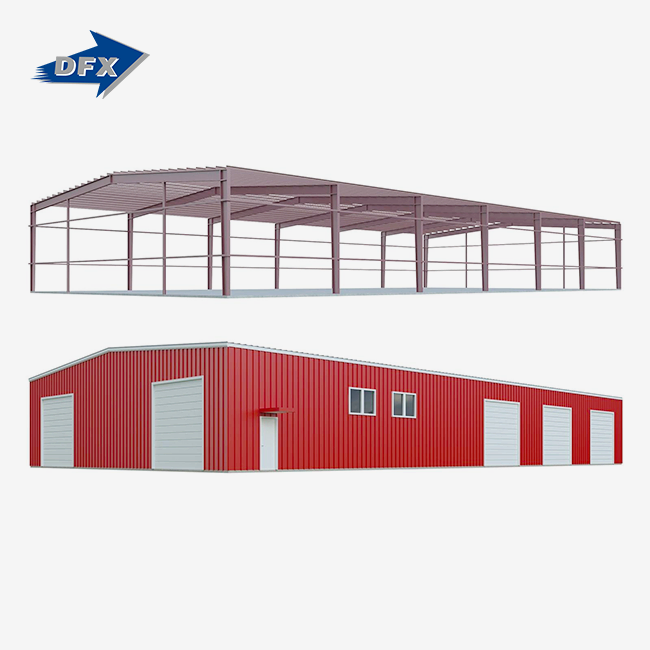
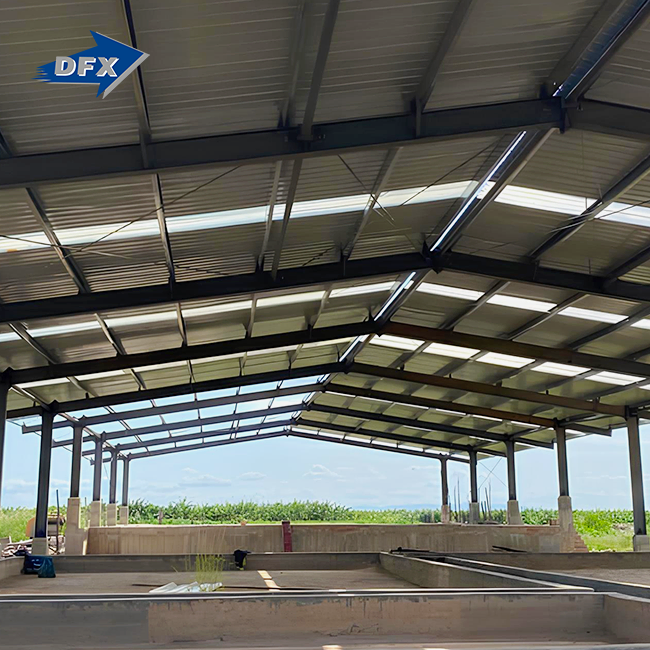
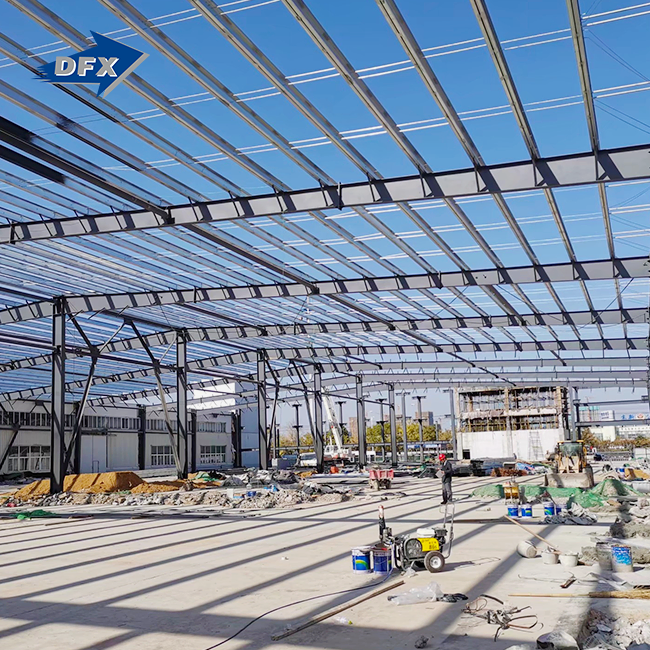
A steel canopy walkway is a kind of shelter that is suspended from the ceiling and is constructed by attaching it to concrete footings or to structures that are already out there. In most cases, the frame is constructed out of welded H-section beams and columns, and the purlins made of C/Z steel are used to support the roof sheet. It is possible to cover the whole side with colour steel panels or to leave them uncovered, depending on the amount of wind that is present and the level of protection that is required. It is simple for teams who do not have a great deal of expertise putting up the structure on-site since it is sent from the manufacturer flat-packed with instructions for installation.
Common Commercial Applications
The presence of these structures may be seen in a wide variety of commercial organisations. In industrial parks, they are used to achieve the purpose of connecting buildings and manufacturing lines. The covered walkways that are constructed in logistics facilities are located between the loading docks and the dispatch offices. In order to protect students and patients from the elements, they are placed in the spaces between buildings at educational institutions and medical facilities. The same way of thinking about design is used in the construction of sheds for storing equipment, work bays for repairing objects, and shelters for parking automobiles. These are all locations where having consistent access in any kind of weather has a direct impact on the amount of work that can be accomplished in a day.
Core Materials and Certification Standards
Carbon steel with a yield strength ranging from 235 MPa to 355 MPa is used in the construction of these structures by Director Steel. The types of carbon steel used are Q235B and Q355B. The process of hot-dip galvanisation, also known as ISO 1461, is used to form a coating of zinc that is about 85 µm in thickness. Labels such as ISO 9001, CE, COC, and PVOC are affixed to each and every item, indicating that they are in compliance with international safety and construction standards. This certification profile is essential for purchasing teams who are working on government or EPC projects that need confirmation of agreement before the products can be cleared through customs.
Key Benefits of Walkway Steel Canopy Sheds for Commercial Properties
Steel works better than metal, fabric, and wood in most business settings where durability, load capacity, and low upkeep are important for a walkway steel canopy shed. Here are the main reasons why steel roof sheds are a good choice for sales:
- Weather resistance that protects the bottom line. Galvanized steel roofing resists rain, UV radiation, and wind loads up to 120 km/h. The ASCE 7-22 standard confirms that proper steel detailing can handle snow loads of 0.5–2.0 kN/m², which fabric and wood canopies struggle to meet without frequent repair.
- Reduced liability from slip-and-fall incidents. The National Safety Council (2022) reports that slip, trip, and fall incidents cost U.S. employers over $18 billion annually. A covered steel walkway corridor keeps pathways dry, directly cutting this risk for facilities managers.
- Long service life with low maintenance. The structural steel framework, when properly galvanized, carries a design life exceeding 50 years. Routine care involves little more than annual gutter cleaning, biannual bolt inspections, and checking sealant integrity — tasks any in-house maintenance crew can handle.
- Design flexibility for branding and site integration. Cladding colors, column spacing, roof pitch, and fascia details are all adjustable. Companies can match corporate color schemes or meet site permit requirements without commissioning entirely new engineering work each time.
These benefits directly lead to lower lifecycle costs compared to replacing fabric awnings or wooden pergolas more often. When buying, managers look at the total cost of ownership; steel always has the best 10-year financial picture.
Installation and Maintenance Considerations for Walkway Steel Canopy Sheds
A good product still needs to be set up correctly. When you carefully plan this part, you can avoid future problems with cost overruns and bad structure.
Pre-Installation Planning and Code Compliance
Even a small structure like a covered walkway needs to follow the rules set by the local government when it comes to fire safety, wind resistance, and snow loads. With every order, Director Steel sends full structural calculation reports and installation plans. This gives project managers the paperwork they need to get permits. Before foundation work starts, planning should also take into account utilities that run underground, drainage slopes, and car clearance heights.
On-Site Assembly Process
Because Director Steel has a short production cycle, parts that are made there come to the job site ready to go, with bolt holes already drilled and ±2 mm in size limits. At the plant, a pre-shipment practice assembly checks the alignment before packing, so changes don't have to be made on-site as often. A normal small to medium-sized covered walkway can be built by a four-person crew in two to five days if they follow the plans.
Ongoing Maintenance Best Practices
To reach the end of their useful life, steel roof structures need little upkeep over time. Clearing out the gutters once a year keeps water from backing up against the cladding. Anchor bolts and structural connections should be checked every six months to catch any loosening before it becomes a safety issue. When marine or industrial air makes corrosion more likely, a duplex coating system (galvanization plus powder coat) protects much longer and keeps the structure looking good in places that people will see.
Decision Criteria for Procuring Walkway Steel Canopy Sheds
Instead of choosing based on price alone, procurement teams should use a structured evaluation framework to compare suppliers and materials.
Steel vs. Alternative Materials
Steel can hold more weight and is less likely to catch fire than wood for a walkway steel canopy shed. It also lasts decades longer than cloth. Aluminum is cheaper up front, but it has less tensile strength and doesn't work well when there is a lot of snow on it. For big spans (above 12 meters), steel is the only material that makes sense. Its high strength-to-weight ratio lets long-span portal or cantilever designs work without having to use mid-span columns that get in the way of forklift and car traffic.
Evaluating Supplier Certifications and Warranties
For foreign purchases, you must have ISO 9001 certification, CE marking, COC, and PVOC paperwork. These certificates show that the mill test certificates (MTCs) for the raw materials have been checked, that the welding passes the non-destructive testing (NDT) according to AWS D1.1, and that the zinc finish thickness meets ISO 1461. There are real customs and project compliance risks when suppliers can't show these papers.
Total Cost of Ownership Analysis
Steel costs more up front than fabric or wood, but lifecycle cost analysis always shows that steel is better. Every 7–10 years, a fabric awning might need to be changed. A wooden pergola needs to be sealed, stained, and treated for pests on a regular basis. A galvanized steel roof frame, on the other hand, doesn't need much maintenance for 30 to 50 years. For EPC contractors and building managers with long-term goals for their assets, that difference more than makes up for the initial investment.
Optimizing Walkway Canopy Use in Commercial Environments
After being put up, these structures can do more than just keep people dry in the rain. When you think about where to put it, how to light it, and how to incorporate technology, a covered walkway can become a real operational asset.
Real-World Performance Examples
Logistics companies that added covered steel lines between the warehouse and the dispatch areas saw a clear drop in weather-related delays in filling. When factories put open-sided steel canopy corridors between production buildings, workers were able to move faster between zones when shifts changed, which helped the factories make more things. These results are in line with studies from the American Institute of Steel Construction (AISC), which show that facilities that have covered transit paths are more productive when they spend less time outside in bad weather.
Integrating LED Lighting and Surveillance
Modern canopy frames have built-in surveillance cameras on the columns and LED strip lighting along the purlins. Based on data from the U.S. Department of Energy, outdoor LED lights use around 60% less energy than standard fluorescent fittings (2023). Security cameras on canopy columns provide clear views across pedestrian walkways, making the site safer without the need for extra pole infrastructure.
Sustainability and Modular Design Trends
Steel is 100% recyclable, which makes it in line with the sustainability goals that clients and investors are increasingly demanding from businesses. Fixed concrete or brick structures create a lot of waste when they have to be torn down, but modular canopy designs let parts be added or moved as a facility grows. Prefabricated parts also cut down on the time needed to build something on-site, which saves money on labor and keeps running facilities from being interrupted.
Conclusion
A walkway steel canopy shed structure protects people, preserves property, and pays for itself over time through reduced maintenance and liability exposure. The combination of certified materials, flexible design options, and short production cycles makes factory-fabricated steel canopies a practical solution for construction contractors, manufacturing investors, and facility managers across commercial and industrial sectors. The evidence points consistently in one direction: steel is the material of choice for any covered walkway intended to last.
Frequently Asked Questions
1. How long does a steel canopy walkway typically last?
The structural steel frame, when hot-dip galvanized to ISO 1461 standards, carries a design life of 50 or more years with routine maintenance. Roofing sheets typically last 15–25 years depending on the grade selected.
2. Can the canopy structure be open-sided?
Yes. Both fully clad and open-sided configurations are available. Open-sided frames work well for vehicle parking and maintenance sheds where ventilation is a priority. Clad versions suit applications requiring wind or privacy protection.
3. Does a walkway canopy require a building permit?
In most U.S. jurisdictions, yes. Even accessory structures must comply with local codes for wind, snow, and fire resistance. Director Steel supplies full structural calculation reports to support permit applications.
4. What certifications should I ask for?
Request ISO 9001, CE, COC, and PVOC documentation, along with mill test certificates for the steel and zinc coating thickness reports for galvanized components.
Get a Quote for Your Steel Canopy Walkway Project — Contact DFX Today
When hot-dip galvanized to ISO 1461 standards, the solid steel frame of a walkway steel canopy shed is meant to last at least 50 years with regular upkeep. Depending on the grade, roofing sheets usually last between 15 and 25 years. Get in touch with our team at jason@bigdirector.com to talk about your project needs and get a fair price.
References
1. American Institute of Steel Construction (AISC). Steel Construction Manual, 16th Edition. AISC, 2022.
2. American Society of Civil Engineers. ASCE 7-22: Minimum Design Loads and Associated Criteria for Buildings and Other Structures. ASCE, 2022.
3. National Safety Council. Injury Facts: Work Safety. NSC, 2022.
4. U.S. Department of Energy. LED Lighting Energy Savings Report. DOE Office of Energy Efficiency and Renewable Energy, 2023.
5. International Organization for Standardization. ISO 1461: Hot-Dip Galvanized Coatings on Fabricated Iron and Steel Articles. ISO, 2022.
6. Steel Construction Institute. Design of Steel Structures for Durability and Sustainability. SCI Publication P419, 2021.
Learn about our latest products and discounts through SMS or email